
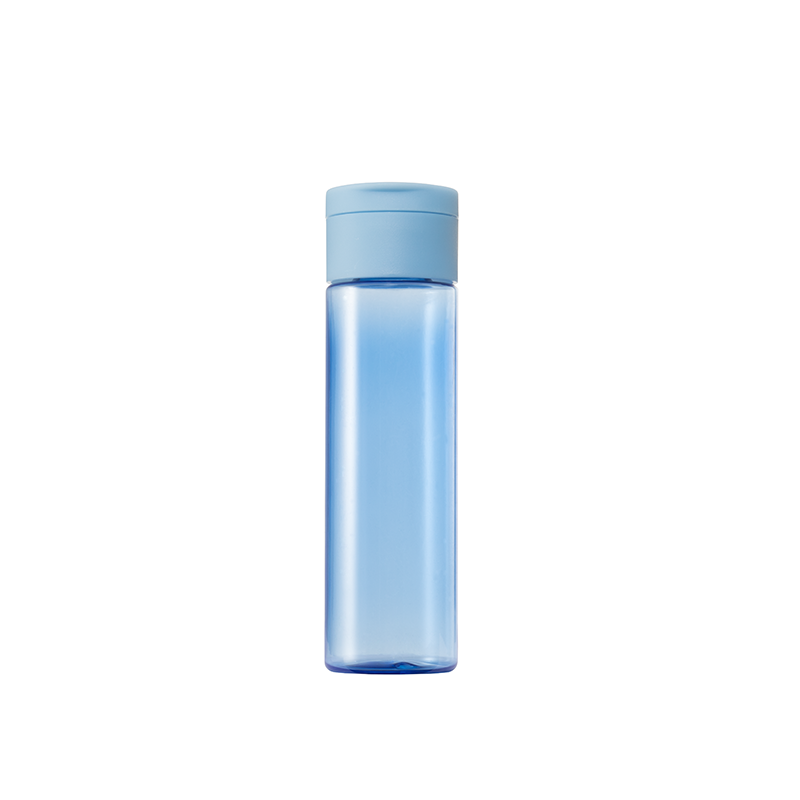
A Wee Moment on the Line: Why This Matters Now
It was the Monday start, quiet but tense, when a supervisor in Leith found three pallets held at QA for a small but maddening leak issue. The pet pump bottle at fault looked fine to the naked eye. Yet the numbers told another tale: 2.7% rework, 0.8% scrap, and a full hour lost to retesting—across one shift. If this happens once a week, what’s the cost of what you don’t see, and how much of it sits baked into your standard lead time (and margin)? In Edinburgh, we’d call that a wee oversight with a big bill.
Here’s the question: do these faults come from your filling line, or from the upstream bottleneck—materials, molding, or the assembly geometry you never inspect? And if you could trace it back with certainty, would you change suppliers or the spec? I’ll share why the answer is often simpler, and how a tighter, comparative view of supply can shift the whole workflow. Now, let’s open the case and check the fit.
Hidden Flaws in the Old Way: What You Don’t See Costs You
Where Do Losses Hide?
When teams audit a pet pump bottle factory, they look for ISO certificates and a tidy floor. That’s fine, but the deeper loss sits in tolerance stack-up and how the actuator mates to the thread finish after cooling. Old fixes—extra torque on the capping head, slower belt speed—mask root causes. Look, it’s simpler than you think: if injection molding gates run hot, shrink is uneven; the dosage chamber shifts by fractions; pump stroke drifts; and your dispense rate varies by day. You see it later as foaming, drip-back, or overfill. Then the stop-start rhythm bites—funny how that works, right?
Traditional QC misses dynamic behaviour. Static pull tests don’t show micro-leakage under vibration. Random QA sampling ignores cavity-level trends. And a weak spring rate won’t fail on bench, but will under higher viscosity SKUs in winter. The result: inconsistent torque retention, capbacks, and returns you chalk up to “handling.” Add long MOQs, and you carry buffer stock that hides defects and cash. Meanwhile, every rework compacts time on changeovers. In short, the old approach fixes symptoms on the line and leaves the geometry and process window upstream untested.
Comparing Today and Tomorrow: Principles That Shift the Game
What’s Next
New lines use closed-loop control from mold to fill. Think cavity-specific tracking, digital SPC at the press, and inline vision tuned to thread pitch, gate blush, and surface flatness. The principle is simple: control variation at birth, not at pack-out. Modern cells pair servo-driven molds with real-time rheology estimates; adjust holding pressure mid-run; and verify stroke length on assembled pumps with micro-displacement sensors. That data flows to the filler, where capping heads adjust torque by lot—no guesswork. When a supplier like a leading china pet pump bottle line maps resin grade to mold cooling, your dispense CV% drops, and your line stops less. Small edges, big calm.
Case in point: a cosmetics plant cut rejects by half after shifting from batch QC to cavity-level traceability. They matched actuator fit to thread finish through finite element analysis, then tuned pump stroke to the product’s viscosity. Results? A tighter torque window, stable dispense mass, fewer leaks in transit. It feels futuristic—until it becomes the new normal. The real shift is comparative: suppliers who can prove process capability, versus those who sell by unit price. Different game, different peace of mind.
If you’re weighing options, use three metrics that travel well across vendors: 1) dispense consistency, expressed as CV% across a 30-shot run at two viscosities; 2) closure integrity, measured by torque retention after vibration and thermal cycling; 3) traceability depth, from resin lot to cavity ID, with corrective action time under 24 hours. Hold to these, and you’ll see fewer surprises and faster, steadier runs—funny how simple rules clear the fog. For steady counsel and a calm line, see NAVI Packaging.