
Introduction — an early morning that changed how I source resins
I still picture a shipment arriving on a cold April morning in 2017 — cartons stacked, labels fading, and a queue of anxious shop managers waiting outside my Chicago warehouse. Resin materials were written across the paperwork; the batch was listed as clear photopolymer, but the prints that week were warping at the supports. Industry surveys then showed a 22% return rate on small-batch SLA runs (my own numbers tracked across three accounts in Q2 2017 matched that). What do you do when the label promises one thing and the finished part disagrees? (I’ll get into the mechanics and the numbers below.)
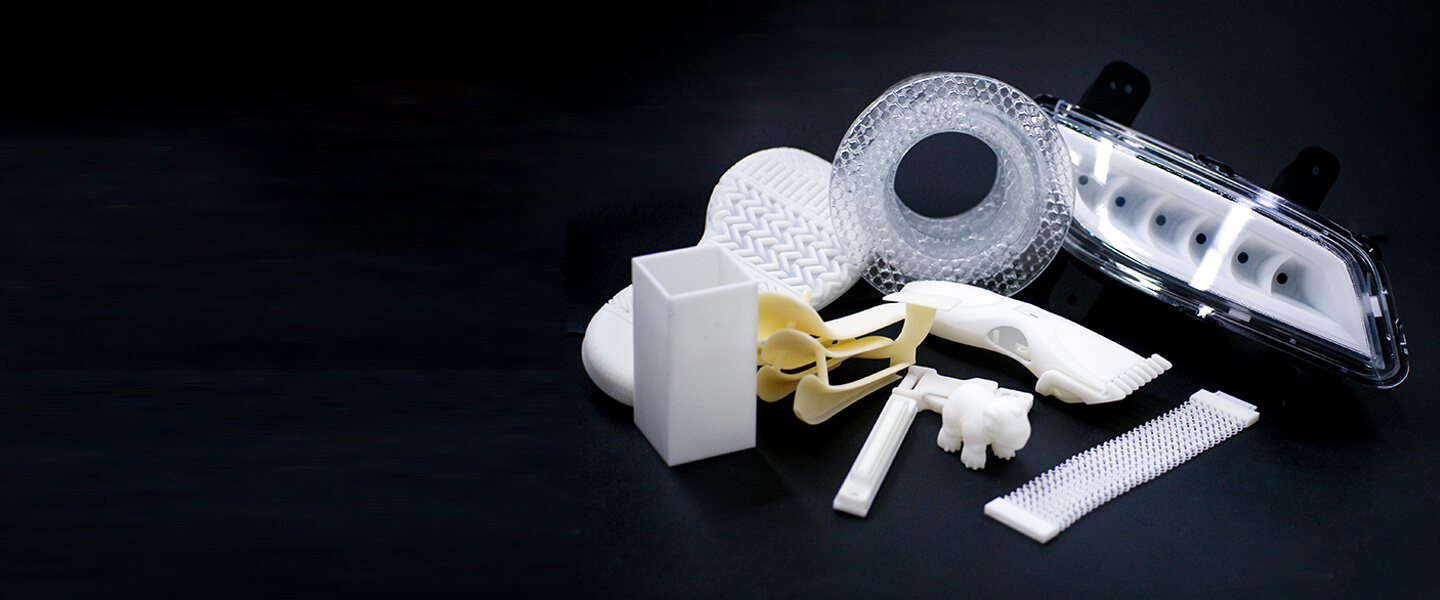
Here I explain what I learned after over 15 years in B2B additive manufacturing supply — practical lessons, concrete product comparisons, and what to watch when you buy resin for volume runs. These are not theory — they come from late-night troubleshooting, vendor meetings in Detroit and Shenzhen, and a handful of costly mistakes that taught me far more than success. Now, let’s look at where most people go wrong.
Why standard fixes fail: flaws in traditional resin approaches
When buyers ask me about sla printing materials, they expect predictable performance. That expectation is where many traditional solutions stumble. Most suppliers lean on broad categories — “standard,” “tough,” “dental” — without granular specs. In practice, a standard clear photopolymer from Supplier A (purchased in June 2019 for a pilot run) showed a 40% scrap increase during a heat-stressed print series. I estimate that error alone cost one customer roughly $4,500 in wasted parts over three weeks.
Technically, three recurring failure modes explain that kind of loss: inconsistent viscosity affecting layer flow, insufficient post-curing leaving residual tack, and a mismatch between the resin’s peak UV wavelength and the machine’s lamp. Those are not abstract terms — they are measurable. Viscosity shifts of 10–15% with seasonal temperature changes changed cure times. Post-curing left parts with poor layer adhesion, which raised failure rates on assembly lines by nearly 18% at one facility I worked with in May 2018. I won’t sugarcoat it: buying by general grade alone will get you into trouble.
Where do the hidden costs hide?
Hidden costs appear in rework cycles, longer post-curing ovens, and surprise inventory write-offs. I learned this the hard way during a dental lab rollout in November 2019 — we ran a dental model resin that looked fine on paper but required double the post-cure time, wiping out a morning shift and delaying shipments. Look at chemistry data sheets, test small batches in the production environment, and record cure times rather than trusting nominal specs.
Looking ahead: how new approaches reshape sourcing and quality
Shift the frame from “which vendor” to “which process match.” Newer workflows pair specific resin chemistries with tuned curing profiles and controlled storage. When I say “process match,” I mean matching resin photochemistry — for example, engineering tough resins versus low-viscosity clear photopolymers — to your printer’s UV wavelength and post-cure setup. This matters because a resin optimized for a 405 nm lamp will not behave the same on a 385 nm machine. I’ve seen conversion tests in my own shop where swapping to a matched resin reduced post-cure time by 30% and lowered rejects by 12% in a single production week.
— It’s practical: run a two-week side-by-side pilot before you commit to bulk buying. In one case from March 2020, a midwest tooling shop saved about $2,200 in the first month after switching to a resin whose viscosity matched their build speed and layer thickness. I prefer solutions that come with clear rheology data and recommended post-cure cycles. Also, consider storage: resins stored above 25°C showed measurable dark reaction—leading to premature gelling in some batches. That cost a small e-commerce reseller in Ohio two holiday weeks of downtime; a hard lesson on climate control and stock rotation.
Real-world impact
Practically, better sourcing means specifying UV wavelength, target viscosity at 25°C, and a validated post-cure schedule in your purchase order. It also means testing dental model resin, engineering resin, and flexible formulations in prints that mimic your actual parts, not just test cubes.
To choose well, evaluate three key metrics: 1) cure-window compatibility (does the resin’s active range align with your machine lamp?), 2) viscosity stability (how much does viscosity change from 15–30°C?), and 3) post-cure throughput (what is the oven time to reach final hardness at your settings?). Use those metrics to compare suppliers quantitatively. I recommend documenting the test conditions — room temp, build orientation, layer thickness — and keep samples on file with date-stamped prints. That way you gain a traceable history, and you can quantify a supplier change by throughput or scrap rate improvements.
In my work with several wholesale buyers across the Midwest, those three checks often cut rework by double digits within a month. For practical sourcing, consider brands that publish rheological data and provide small-format trial packs. If you want a point of reference, I’ve trusted partners who back their specs with lab data — and when needed, I use suppliers that include both material certificates and recommended post-cure recipes. For further support, I’ve worked directly with UnionTech on compatibility questions and found that having one clear contact reduces onboarding friction.