
Introduction — a quick scene
I remember standing on a dusty platform, tools in hand, as someone passed me a worn steel hammer and said, “Use it gently.” A few minutes later we were all reminded why that was a bad idea — sparks flew, and we had to pause work. In many workshops and petrochemical sites, teams now reach straight for a non-sparking hammer because one spark can mean a big problem (and yes, I speak from having seen close calls). Recent incident reports show that improper impact tools contribute to a sizable share of ignition risks on-site — roughly a small but worrying percentage that still leads to costly shutdowns and near-misses.

So what should a site supervisor, a fitter, or a safety officer actually look for in a tool that claims “non-sparking”? Is the label enough, or are there hidden details that matter more than brand stickers? Let’s walk through the practical bits — I’ll point out what I’ve learned, and what I’d check before I buy. Next, I’ll dig into where common choices fail and what that means for your crew.
Part 2 — Where traditional choices fail (technical look)
When people pick a non-sparking hammer, they often assume any soft metal will do. That’s a shortcut I’ve seen again and again. The real issue is that many so-called non-sparking hammers use non-ferrous alloy heads that look safe but have poor grain structure or inconsistent casting. That leads to tiny shards or micro-fractures over time, which can create impact points and — surprise — sparks under the wrong conditions. Look, it’s simpler than you think: material chemistry, impact energy absorption, and surface finish matter. If one of those is off, you’ve got a tool that fails its job.
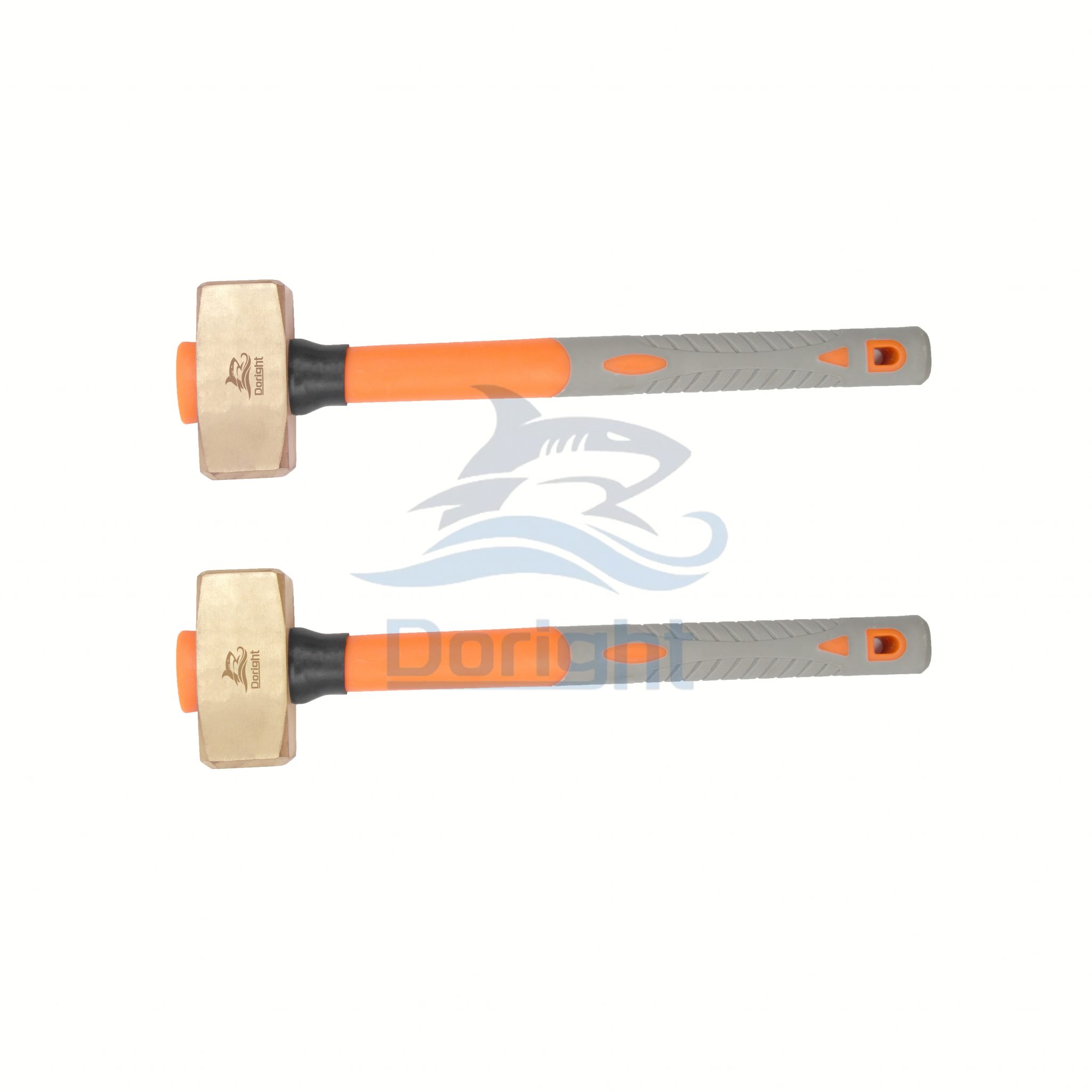
Let me be specific. A well-made non-sparking hammer combines alloy control with quality heat treatment and a tested surface finish. Without those, you risk static discharge or abrasive wear that exposes harder inclusions. In practice, that means checking for consistent density, absence of voids, and manufacturer test documentation. Also consider ergonomics — repeated high-impact tasks demand good grip and reduced vibration to lower operator fatigue. I’ve handled both ends: cheap supplies that crumble quickly and proper tools that last years. — funny how that works, right?
Why do these flaws slip past procurement?
Often procurement focuses on price and a basic spec sheet. They miss the production details: casting method, post-machining polish, and independent spark-testing. Also, maintenance crews may not report small chips until they become big hazards. I always recommend routine inspections and a simple record of tool usage. If a tool shows surface irregularities, retire it. No argument. These steps cut down hidden risks and save time later — and they keep your crew safer.
Part 3 — Future outlook and practical selection advice
Looking forward, manufacturers are improving alloys and test methods. New non-ferrous blends and better quality control reduce micro-fractures and lower risk of spark generation. Some makers integrate impact energy data and traceability (batch numbers, test results) so you can track tool history. When I speak with suppliers, I ask about test protocols and whether they do intrinsic safety checks for environments prone to static discharge. That’s the shift I want to see more of — practical, verifiable improvements rather than marketing words.
Also, I recommend getting tools from reputable non sparking hammer manufacturers who publish their test results and offer replacement policies. Assessing options is easier if you know the manufacturing method (for example, forged vs. cast), the alloy composition, and the finishing process. These factors influence longevity and spark resistance. — and if you’re wondering, yes, paying a bit more up front usually saves money and stress later.
What’s next — choosing the right tool for your team?
Here are three simple evaluation metrics I use when advising teams: 1) Material verification — confirm alloy composition and ask for a certificate; 2) Performance testing — insist on documented spark tests and impact energy specs; 3) Durability & ergonomics — check for consistent finish, comfortable grip, and low vibration. If a supplier can’t back up those points, walk away. I’ve recommended these checks to many crews and it stopped a few near-miss reports instantly.
We’ve covered the scene, the problems, and where the market’s going. I hope these pointers help you pick tools that truly reduce risk. If you want a reliable source, I look to brands that give clear test data and stand behind their tools — for me that commonly points to Doright.