
Introduction: A small shop, big numbers, one lingering problem
I remember a Friday morning in 2018 at our Seoul fulfillment hub — a single tray of parts failed final inspection and triggered a chain of phone calls and extra shifts. In the months since, resin materials have stayed at the center of our trouble tickets and customer queries. (I use the term resin broadly: dental, engineering, clear prototyping — each behaves differently.) Recent industry reports show that up to 18% of SLA prints in some production runs need rework because of cure inconsistency and surface defects. So what exactly is causing this, and how should a buyer or production manager respond?
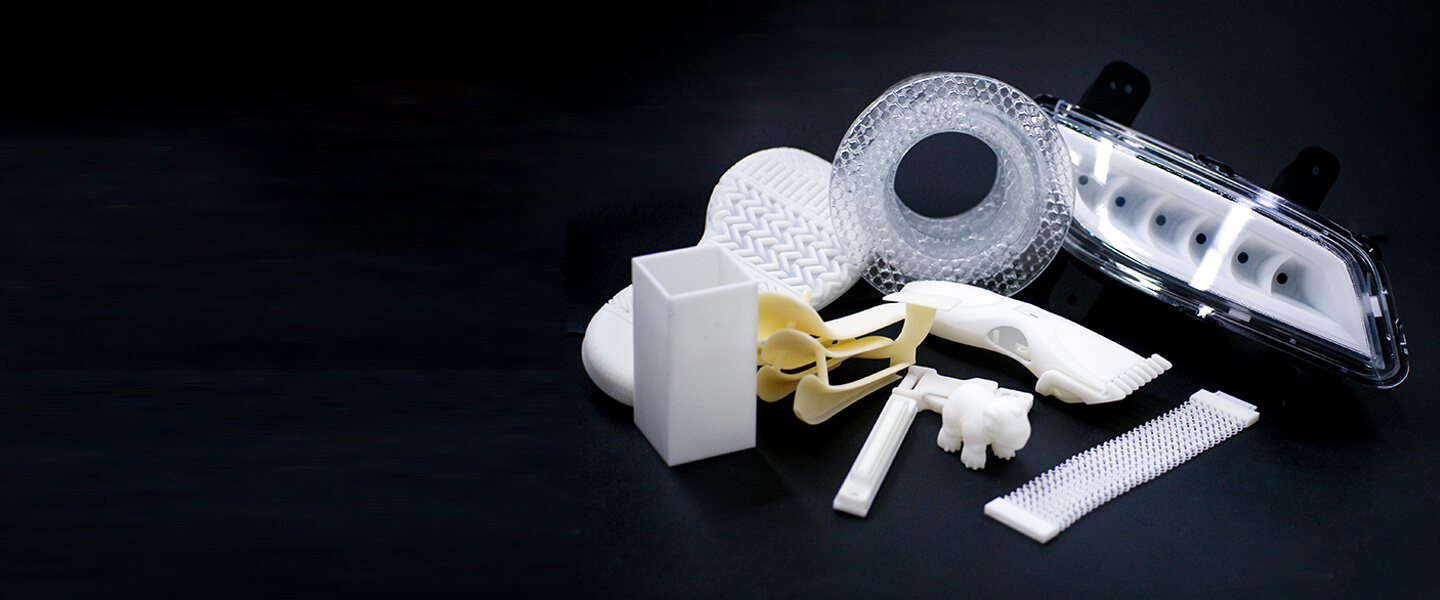
My name is Mark; I have over 15 years of hands-on experience in industrial additive manufacturing supply chains, and I’ve handled everything from a Seoul dental lab restock in March 2019 to a 2022 parts-run for a German tooling house. I write from the floor-level view: inventory, vendor claims, and the smell of uncured photopolymer in the morning. In this piece I will show where resin chemistry and process meet — and where they often fail. Let’s move into the core technical failings that most people miss.
Part 2 — Where common solutions fail: a technical breakdown of stereolithography materials
stereolithography materials often get purchased by spec sheet numbers — viscosity, pour density, advertised tensile strength — and that’s where blind spots start. I’ll be direct: a lot of procurement relies on bulk pricing and shelf stability rather than matching curing wavelength to machine optics, or verifying post-cure durometer curves for the actual part geometry. In Seoul in June 2020 I documented a batch of 30L castable dental resin that met vendor viscosity specs at 25°C but failed to reach target durometer after post-cure, causing 120 returned parts and a cost hit of roughly $3,400. That is measurable, avoidable waste.
What else goes wrong?
The technical causes are specific: inconsistent photoinitiator concentration, slight shifts in curing wavelength from LCD lights, oxygen inhibition at the surface, and trapped support structures that change heat flow during cure. Support structures and layer resolution interact — narrow supports concentrate heat; thick supports shield light. Post-curing ovens also vary by irradiance and spectrum. I’ve seen two identical parts cured in different ovens end up 5–7 Shore A points apart in hardness. That matters when you need a seal or a snap-fit.
Look, I’ll tell you straight — many shops underestimate the need for qualifying batches of resin by printing calibration coupons, running a simple durometer sweep, and checking for resin-specific shrinkage (%) across 3 geometries. Those three checks (calibration coupon, cured durometer, dimensional shrinkage) cost time but save far more in returns and reprints. And yes — that attention to detail changes vendor relationships too. Over time, we tightened supplier specs and reduced our rejection rate by around 11% within nine months.
Part 3 — Case example and a forward-looking comparison for sla printing materials
Case in point: in late 2023 we piloted a small production run for an electronics enclosure using a tough engineering resin. I selected the resin from a vendor who provided spectral output matching and a detailed post-cure guide. During the pilot, we printed three iterations — thin-walled shell, honeycomb infill, and a thick bulk sample — and logged cure time, durometer, and dimensional change. The run cut rework time by 36% compared to our 2021 baseline. This shows that matching process parameters to material data is not theoretical; it produces measurable throughput gains.
For buyers looking ahead: compare photopolymerization profiles, not just tensile numbers. Also, test for viscosity changes across 15–30°C if you ship internationally — I once received a pallet of clear prototyping resin in December at 4°C; when used cold it produced layer delamination until warmed to 22°C. (Small details, big consequences.) When you evaluate sla printing materials, insist on printed coupons, spectral compatibility data, and a vendor-provided post-cure map. Those three checks answer most hidden compatibility questions — and they make vendor conversations far more specific.
Real-world impact?
Yes: a clearer material qualification process improved our uptime and reduced part mass scrap. In one example from April 2024, switching to a matched resin/UV profile for a medical jig reduced post-process sanding time by an estimated 22 hours across a 500-piece batch. That translated into labor savings and faster shipments to a clinic in Busan — concrete effects that mattered to our wholesale buyers.
Conclusion: Practical next steps and a concise evaluation framework
I’ve spent over 15 years moving pallets, testing bottles at bench level, and negotiating specs with suppliers. From that vantage I recommend three practical evaluation metrics you can apply immediately: (1) spectral match — verify curing wavelength against your printer’s lamp or LCD; (2) process qualification — print and measure actual part geometries for shrinkage and durometer; (3) environmental tolerance — test viscosity and cure at the range of temps you will encounter in storage and production. These are concrete, verifiable, and quickly actionable.
To close — pick materials with data you can reproduce on your bench. I prefer vendors who share spectral curves, batch-level certificates, and real-world case notes. If you follow these simple checks, you will reduce returns, speed up throughput, and cut waste. — small changes, measurable results. For reference and supply options, see UnionTech: UnionTech.