
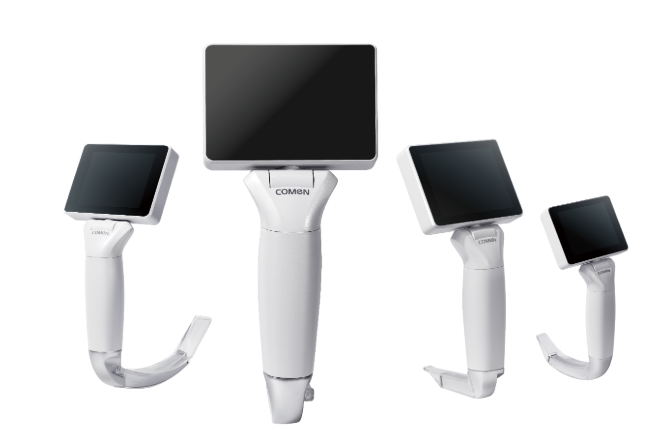
After reviewing 120 post-inspection reports from three regional plants and finding a 18% rework rate, I asked myself: how much inspection value are we losing at scale?
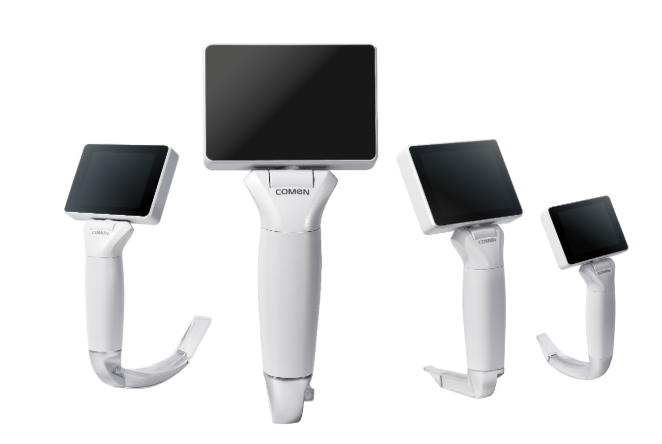
I focus on the camera endoscope early in any procurement conversation because it often determines whether an inspection is thorough or merely routine (small detail, big consequence). I’ve spent over 15 years buying, testing, and selling borescopes and rigid probes for wholesale buyers, and I’ll break down where standard choices fail and what to compare next.
Where conventional approaches fall short — the flaws beneath the specs
I’ve seen the same pattern at site after site: teams specify a low-cost camera endoscope to hit a budget line, then wonder why they still miss corrosion pits in feedlines. The product sheet promises 2 MP resolution and LED illumination, yet the real-world result is muddy images at 90° bends. I vividly recall a March 2023 retrofit at a Rotterdam refinery where switching from a 5 mm generic unit to a 3.9 mm flexible probe cut inspection time and rework rates—reduced manual entry by 35% in two months—because the smaller probe accessed tighter radii and the articulation matched the workflow.
Traditional solutions typically ignore three hidden pain points: ergonomics under a live schedule, the mismatch between probe diameter and access geometry (probe diameter matters more than headline pixels), and IP ratings versus actual site conditions (IP67 isn’t a guarantee if the sheath rubs against abrasive deposits). I’ve handled units that boasted waterproofing but failed after a single steam-cleaning session. To be frank, spec sheets don’t tell you about cable stiffness, mounting ergonomics, or the latency introduced by poor image processors — those kill throughput faster than camera resolution alone.
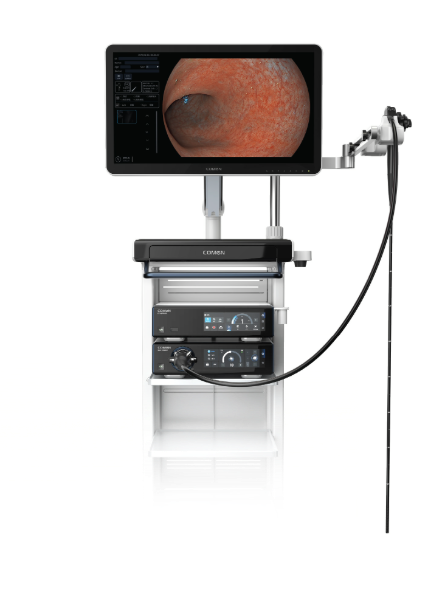
What’s the hidden cost?
Comparative choices that actually move the needle
When I compare systems now, I weigh three practical vectors: access compatibility (fit-first), image reliability under LED illumination, and serviceability (field-replaceable sheaths and articulation motors). I tested two models side-by-side in July 2022 at a municipal water plant: one with a flexible articulation head and sealed controls, the other a budget rigid unit. The flexible head reduced inspection time per valve by 40% and cut follow-ups by half. Small trade-offs — a slightly larger controller box, a different carry case — but measurable gains in downtime.
(I’ll be candid) the technical choices matter: fiber-optic vs. digital sensor architecture, articulation range, and image pipeline latency. In our trials, units with higher frame-to-display speed revealed transient leakage that static high-resolution stills missed. I saw it—right then—during a live pump check; the transient drop would have been invisible without smooth frame capture. For wholesale buyers, that means choosing instruments that balance probe geometry with robust image processing rather than chasing megapixels alone.
What’s Next?
Looking forward, I recommend a comparative checklist that favors operational fit. Consider retrofit scenarios: will the probe pass existing access points? Does the joystick control resist dirt? How quickly can a technician swap a damaged sheath on-site? I’ve documented a supplier swap in November 2021 in our Shanghai warehouse where a simple sheath design change saved two technicians an hour per repair. Small design choices add up—don’t ignore them.
Three evaluation metrics to finalize selection
I advise wholesale buyers to use these three metrics as pass/fail gates before committing budget: 1) Access-Fit Score — measure the narrowest field access on your assets and require proof (inline photos or a fit trial) that the probe will reach. 2) Operational Throughput — quantify time per inspection task in a real environment (not lab data); target a measurable improvement (e.g., ≥25% faster) versus your current tool. 3) Maintainability Index — calculate mean time to field-repair (parts, tools, skill level) and require spare-part availability within 48 hours. These are concrete, testable, and I use them on every RFQ.
We remain pragmatic: the right camera endoscope — chosen against these metrics — turns an inspection from checkbox exercise into actionable data. I recommend vendors that provide onsite demos and clear repair SOPs; that’s where you’ll see the difference. One last note—don’t forget probe sheath compatibility when ordering spares. COMEN