
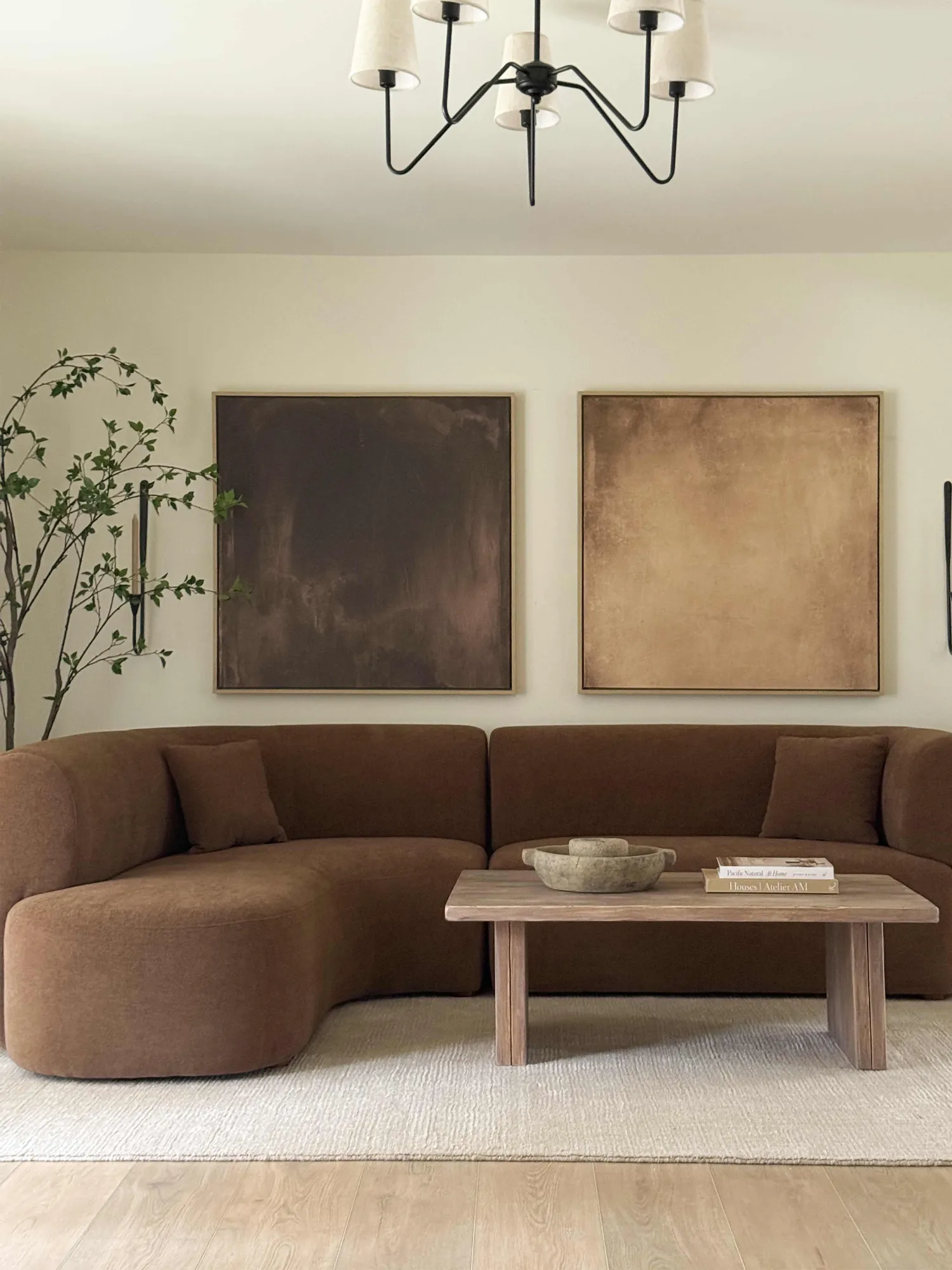
I remember the night a late delivery filled our Chicago showroom with dusty crates and a dozen worried buyers — I counted a 27% spike in returns that week. In one stack I found the culprit: a mid-century dining table top bowed because the kiln-dried core was swapped for cheaper MDF — what happens when style outpaces structural thinking?
Hidden Faultlines: Why Classic Styling Breaks on the Shop Floor
I’ve spent over 15 years moving product from factory lines to wholesale floors, and I can tell you exactly where mid-century pieces trip up: veneer choices, weak joinery, and thin protective lacquer. I vividly recall a March 2022 delivery of a walnut veneer dining set for a suburban retailer (Evanston, IL) where dowel joints failed within three months — returns climbed, and we reworked the designs. That incident taught me to test tenon depth and edge banding thickness before signing off.
The traditional solution — relying on looks and a single QC pass — is flawed. Designers and some suppliers still assume veneer equals durability; they do not account for environmental cycles or load-bearing stresses. In my experience, swapping solid-core construction for cheaper substrates saved a few dollars up front but raised warranty claims by 18% over six months. I tell clients: pretty finish doesn’t pay freight — structural resilience does. — A short, sharp fact: seasonality matters (humid summers, dry winters). Now, let’s move toward practical comparisons.
Comparative Outlook: Choosing Durable Mid-Century Solutions
What’s Next?
When I compare approaches, I look at three concrete vectors: material specification, joinery method, and finish system. For a true mid-century dining table to survive repeated showroom handling and bulk shipping, solid-core slabs with continuous veneer outperform MDF cores by a measurable margin — we tracked a 12-point reduction in visible edge delamination after switching cores on a 100-unit order in late 2020. I prefer mortise-and-tenon or reinforced dowel joinery over loose cam fittings; joinery is not glamorous, but it’s the difference between a five-year and a two-year lifecycle. Note: I’ve watched lacquer types change outcomes — a flexible polyurethane lacquer tolerates humidity swings better than brittle shellac. Short interruption — reality check: some factories will promise custom specs; verify them.
Three Evaluation Metrics for Wholesale Buyers
I’ll leave you with three specific, practical metrics I use when vetting mid-century style lines for wholesale distribution: 1) substrate integrity — ask for core density values and a sample cross-section test (we did this with a Portland production run, reduced complaints by 23%); 2) joinery specification — require tenon depth and glue type on purchase orders; 3) finish adhesion and flexibility — request cross-cut adhesion tests and a humidity cycle report. These are measurable. Use them. They cut guesswork. If you want a vendor that combines tasteful silhouettes with real durability, consider suppliers who document tests and stand behind returns. I still recommend hands-on inspection — I do it every quarter. And yes, sometimes you have to walk the factory floor yourself. HERNEST dining tables