
User-first start: why this matters now
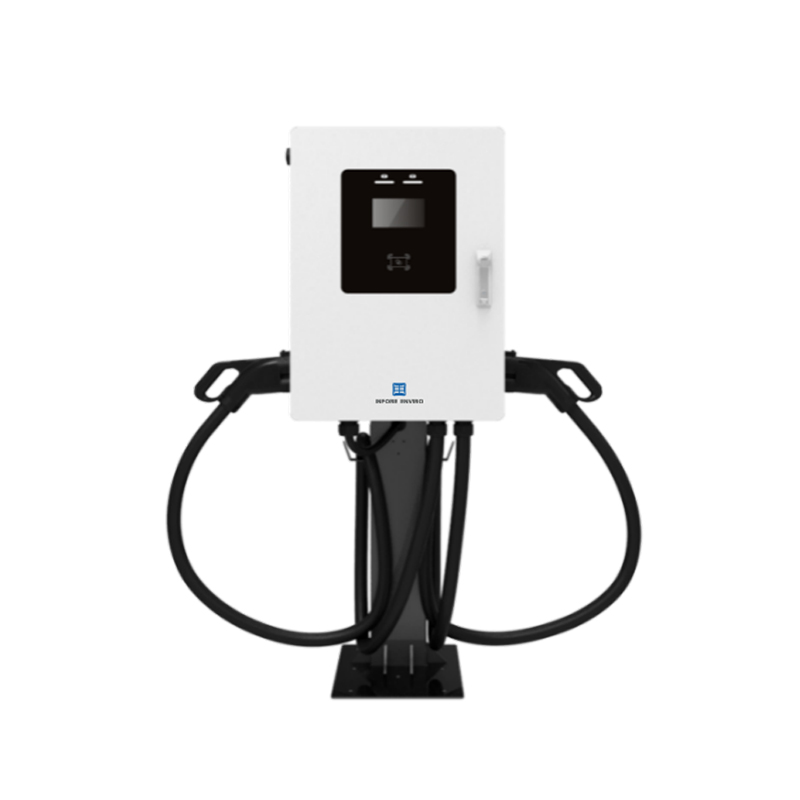
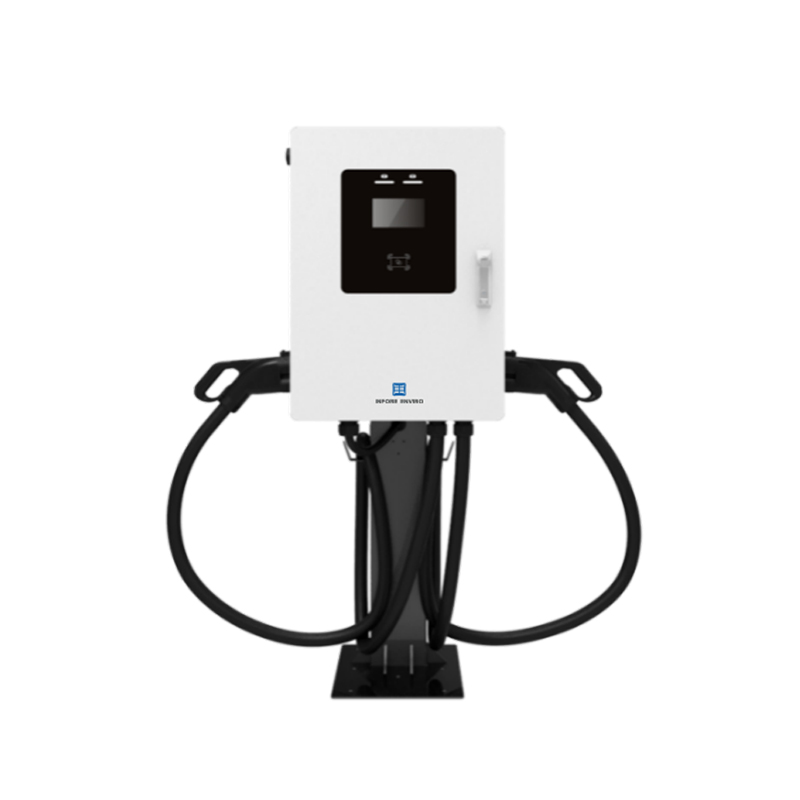
Fleet managers need charging that works like a logistics partner, not a blocker—fast, predictable, and measurable. That’s where a properly integrated CCS DC fast charger steps into the workflow: it reduces downtime, supports tighter route windows, and gives operators real telemetry instead of guesswork. For fleets shifting to electric vehicles, pairing hardware and software—think charger networks, load management, and fleet telematics—translates directly to routine on-the-road reliability.
What fleet teams actually gain
Integration isn’t a buzzword here; it’s the difference between a truck idling an extra hour and a truck completing another run. Concrete gains include higher charger uptime, shorter turnarounds from DC fast charging, and coherent data feeds into scheduling systems. When chargers speak the same language as dispatch—OCPP and fleet telematics in sync—operators see slot-level availability and battery state-of-charge trends in real time.
Practical integration checklist
Start with essentials and build outward. A pragmatic checklist keeps projects on budget and on schedule:
– Confirm charger compatibility with your vehicle CCS standards and verify firmware support for smart charging.
– Prioritize sites with reliable grid access and plan for load balancing hardware or software to prevent demand spikes.
– Require vendor APIs that expose uptime, fault logs, and energy metrics so your fleet management system can make routing decisions.
Common pitfalls and how to skip them
Three problems keep repeating in fleet rollouts: undersized power allocation, vendor silos, and poor data hygiene. Undersized power means slow charge windows that wreck schedules. Vendor silos—chargers that won’t share telemetry—force manual checks and duplicate tools. Poor data hygiene creates false positives in scheduling and battery forecasts. A simple rule: plan to test a pilot bay under real route conditions before scaling the site footprint.
Real-world anchor: regulations shaping decisions
California’s Advanced Clean Fleets regulation is already shifting procurement timelines for many U.S. carriers, accelerating investments in both chargers and integrated software. Fleets responding to those mandates are prioritizing modular installations that support phased upgrades—adding more CCS chargers or upgrading to higher-power DC fast charging as vehicle duty cycles change. This regulatory push demonstrates that integration choices today must allow tomorrow’s capacity increases without ripping up concrete.
How to evaluate providers—metrics that matter
Choose partners with transparent performance records and concrete SLAs. Focus on these metrics when comparing vendors:
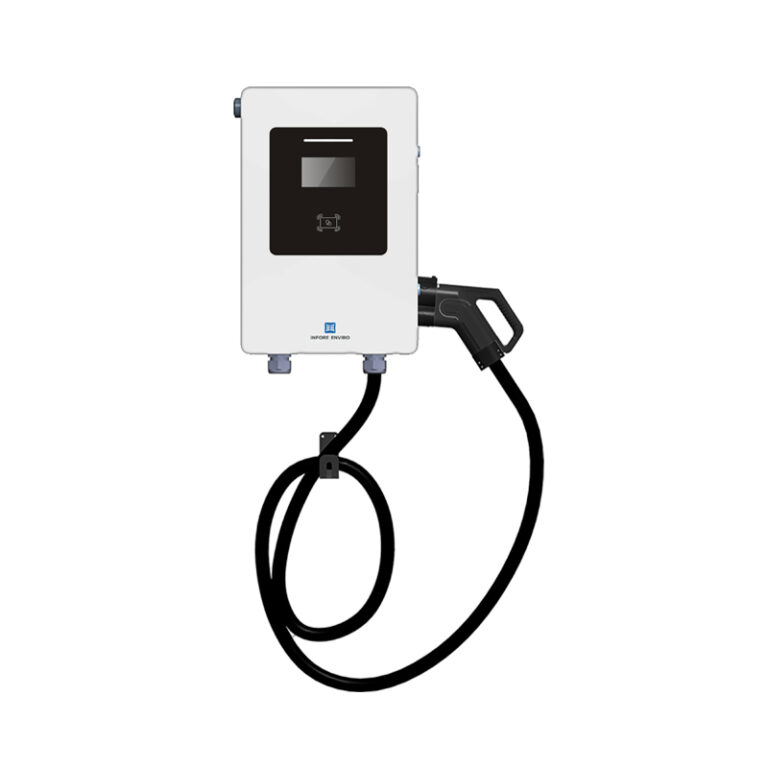
– Charger availability: measured as percent uptime across peak windows, not just average daily availability.
– Mean time to repair (MTTR): clear thresholds for fault diagnosis and on-site service times.
– Energy management capability: demonstrated load balancing and peak shaving during simulated duty cycles.
Vendor comparison—short practical guide
When you line up proposals, score them against technical fit and operational fit. Technical fit checks include charger power ratings, communication protocols, and whether the site supports future DC fast charging upgrades. Operational fit weighs remote support, spare-parts logistics, and the vendor’s experience with fleet telematics integration—because response time beats a glossy spec sheet every time. —A provider that offers staged rollouts and clear upgrade paths usually wins over a cheaper, one-off install.
Advisory close: three golden rules
1) Demand interoperable telemetry: insist on APIs that feed into your dispatch and maintenance systems so decisions are data-driven. 2) Build for scalability: size electrical infrastructure for at least 30–50% growth in charging sessions over five years. 3) Contract for outcomes: include uptime and MTTR clauses tied to financial remedies, not just vendor promises.
The right setup reduces idle hours, improves route predictability, and lets operations scale without constant retrofits—real value that shows up on the profit-and-loss. INFORE ENVIRO. —final thought.