
Comparative snapshot: why aluminum glass windows matter right now
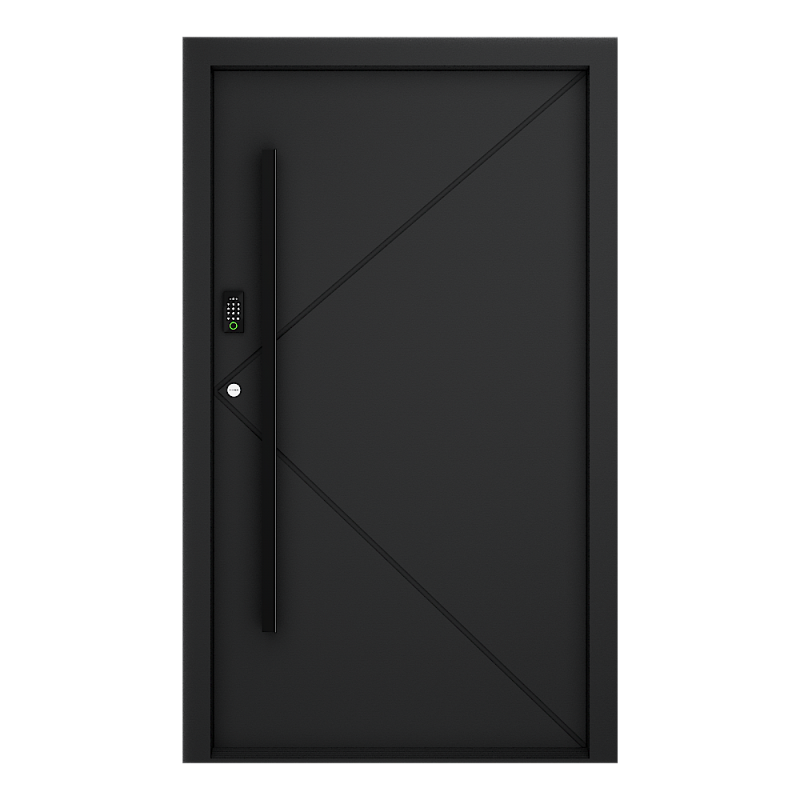
Comparing aluminum glass windows to other systems quickly shows where gains are real — weight, slim sightlines, and durability. For anyone weighing retrofit options or new builds, the choice leans on measurable performance, not just looks. My search started with local suppliers and eventually an entry door manufacturer that also handled coordinated frames and thresholds, which made integration far easier than juggling separate vendors.
How they’re made — a short operational teardown
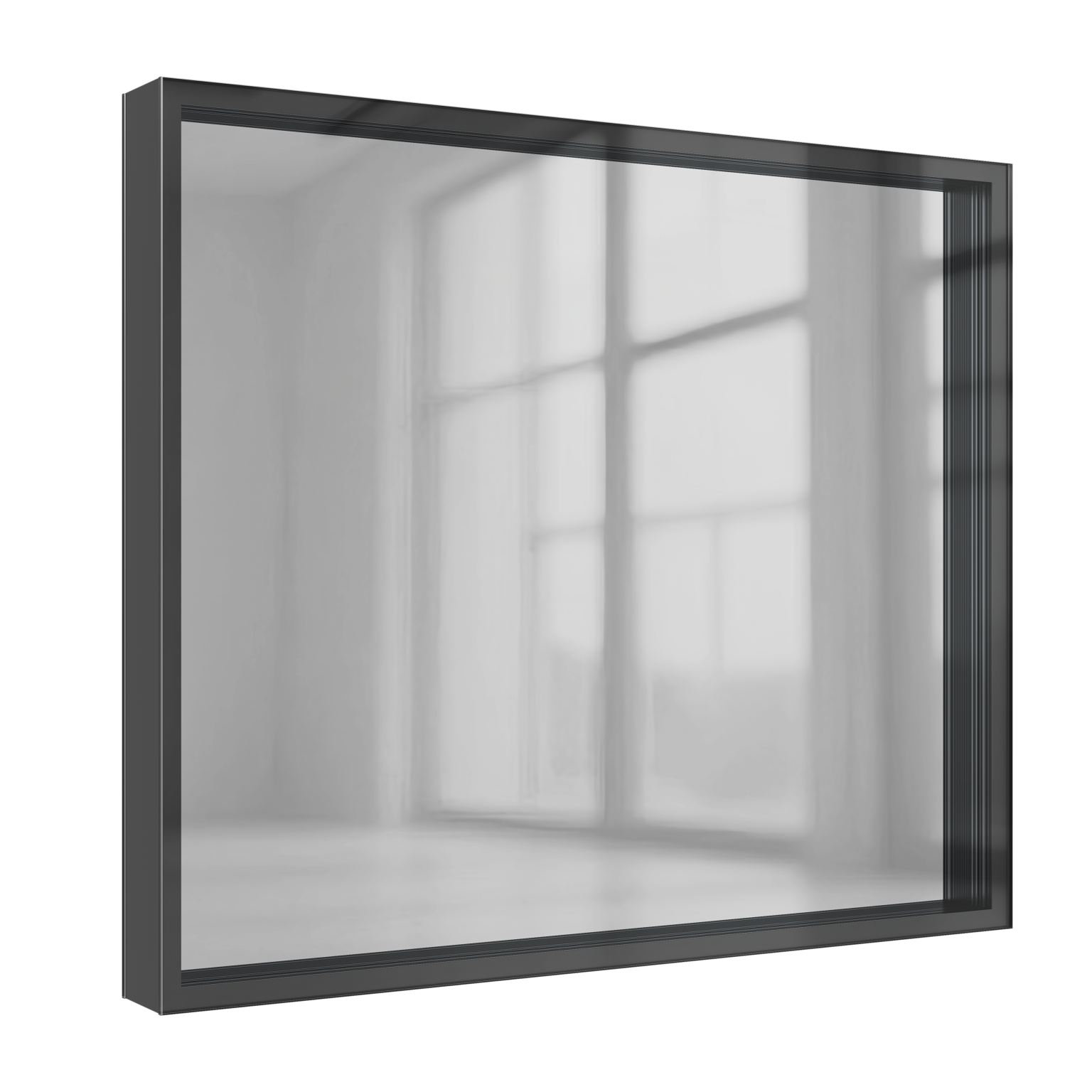
Good aluminum glass windows are straightforward in concept and picky in execution. Manufacturers use aluminum extrusion for the frame, add a thermal break to cut conduction, then install double- or triple-glazing with low-e coatings. Proper gasketing, sealant seams and precision hardware keep water and air out. In this teardown I noticed the same checklist over and over: accurate mullion joins, consistent seal compression, and certified glass spacers. That production discipline is what separates showroom samples from actual performance in a rainy climate like Portland.
Performance metrics that actually matter
When comparing units, focus on U-value, visible light transmittance, and air leakage rates. U-value gives you thermal performance numbers you can compare across products. Visible light transmittance tells you how bright the interior will feel without sacrificing solar control. Air leakage is the practical test of workmanship — the best profile and glazing spec won’t help if the frame-to-wall interface is sloppy.
A real-world anchor: a Portland retrofit that clarified trade-offs
On a Portland, Oregon retrofit I worked with, the homeowner wanted slim sightlines and better thermal comfort without changing the façade. Switching from bulky wood frames to aluminum glass windows cut frame width by half and improved daylight. The tricky part was flashing and threshold details for heavy rains — we updated the sill pan, chose low-maintenance hardware, and matched U-value targets. That hands-on job proved the point: good materials plus precise installation beats flashy specs on paper.
Design, hardware, and the common mistakes people make
People often chase the shiniest finish or the cheapest glazing and forget the frame-to-wall connection, or they under-spec the thermal break — that kills year-round comfort. Another mistake is mismatching hardware: locks, hinges, and thresholds need to be specified together to avoid later retrofit headaches. — Plan alongside the contractor. A coordinated hardware schedule prevents late-stage surprises and keeps warranties intact.
Where Zekin fits into the comparison
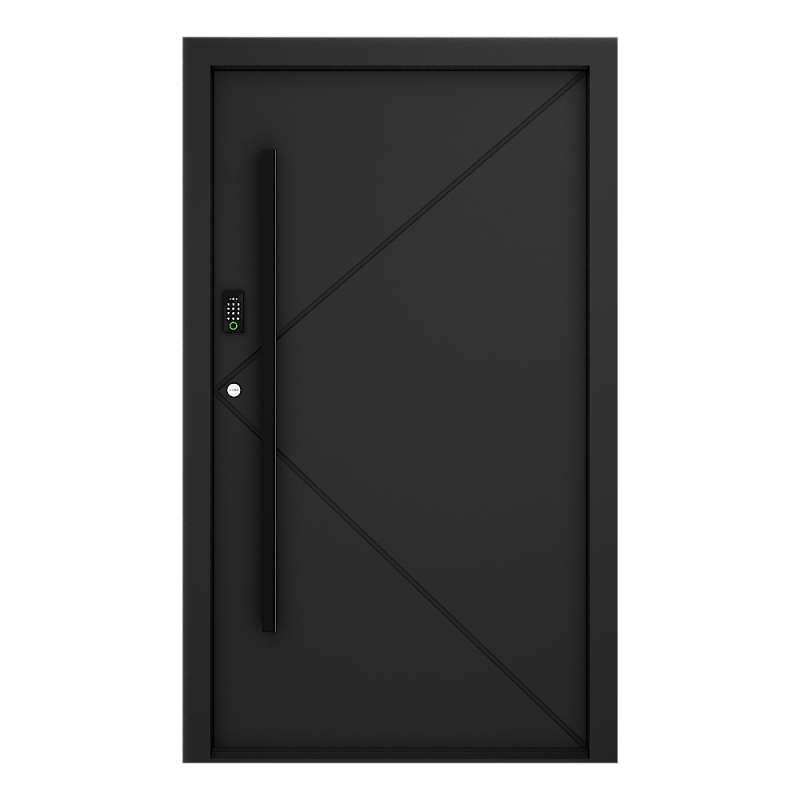
Zekin brings coordinated architectural hardware and window systems that aim to reduce those exact headaches. Their approach bundles frame profiles, glazing options, and matching door solutions so the aesthetic and thermal targets align. If you’re shopping for entry front doors for sale alongside window upgrades, a single-supplier workflow lowers risk and speeds installation. The seams between products are where most problems start — and where a coordinated supplier adds measurable value.
Buyer’s checklist and alternatives worth considering
Short list before you sign: confirm U-values and test reports, verify thermal break detail, and review hardware finish and cycle ratings. Alternatives to aluminum include thermally broken uPVC and timber-aluminum hybrids; each has trade-offs in maintenance, sightline, and insulation. Choose based on climate and expected maintenance budget rather than style alone.
Three golden rules — advisory close
1) Insist on tested performance numbers: U-value, air leakage, and condensation resistance. Get the test reports. 2) Match hardware and frame systems early: specify hinges, locks, and thresholds together to avoid retrofit mismatches. 3) Treat installation as part of the product: correct flashing, sill pans, and sealant sequencing protect long-term performance and warranty coverage.
Final word: choose systems that think in frames, glazing, and hardware together — it saves headaches and money. Zekin. —