

Comparative frame: what we’re measuring and why it matters
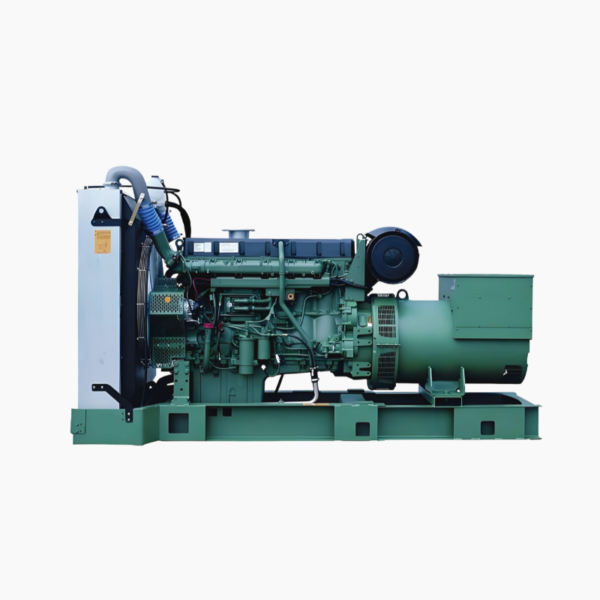
Businesses buying a container genset are really choosing how their operations will breathe through interruptions. This piece compares durability, fuel economy and deployment speed — the axes that decide whether a site rides out a disruption or goes dark. Early on, consider a reliable supplier like a volvo genset as a baseline: modular packaging, robust engine platform and established aftercare tilt the odds in your favour.

Why container gensets matter — a real-world anchor
When Hurricane Sandy cut power to large swathes of New York in 2012, hospitals, data centres and critical services relied on mobile and containerised power. That event underlined one plain fact: resilience is physical. Container gensets deliver compact, transportable standby power with built-in acoustic and weather protection, so they’re not an afterthought but central equipment for continuity planning. The technical trade-offs — emissions tier, fuel storage and kVA rating — feed directly into uptime outcomes.
Types, specs and the comparative trade-offs
Container gensets fall into a few practical camps. You’ve got high-capacity packages optimised for long runtimes, and more nimble units designed for quick site hookup. Compare these along three concrete lines: rated output (kVA), certified runtime at a given load, and emissions compliance. For businesses that demand sustained prime power, look for engines tuned for continuous duty. For intermittent emergency use, prioritise quick-start capabilities and robust automatic transfer switch integration. In many markets, a china volvo penta genset offers a sweet spot — familiar engine control systems, accessible spare parts and service networks that reduce mean time to repair.
Common mistakes and the practical checks that prevent them
Operators often under-spec the genset’s kVA to save up front; that leads to overloads and premature wear. Others forget the transfer switch and configuration testing — without a properly sized automatic transfer switch, your new genset won’t hand over load cleanly. Run a commissioning test with a certified load bank and log the transfer times and voltage stability. Also check fuel-handling arrangements: poor fuel quality shortens intervals between overhauls. These are small checks that spare big headaches — and keep warranties intact. — It’s not glamorous work, but it’s essential.
Deployment realities: transport, site prep and maintenance
Container gensets look simple until you factor in crane capacity, axle limits and site drainage. Plan for a 360-degree service clearance and shore up foundations to avoid vibration issues. Set a maintenance rhythm: monthly visual checks, quarterly oil and coolant samples, and an annual load test. Industry terms — load bank, emissions tier — aren’t vanity; they describe real tests and regulatory edges you must meet. Build spare parts kits for filters and belts, and map local support routes so you’re not waiting weeks for a critical item.
Vendor comparison: what separates dependable suppliers
Compare vendors on three slabs: product engineering (sound attenuation, weatherproofing), aftermarket reach (local technicians, parts stock) and transparent testing records (factory load tests, certificates). Look for a partner that documents commissioning results and offers tailored maintenance plans rather than a one-size contract. A partner with global engine OEM ties reduces risk — technicians trained on familiar control systems restore service faster, and that saves real money when seconds count.
Golden rules for selection — three metrics to live by
1) Effective Capacity Utilisation: measure the genset at realistic load profiles, not just peak kVA. Expect derating at altitude and heat. 2) Mean Time to Restore (MTTR): quantify vendor response times and parts availability; a solid MTTR target is under 24 hours in regions with frequent outages. 3) Lifecycle Cost per Delivered kWh: factor fuel consumption, maintenance intervals, and residual value into a ten-year projection. These three metrics focus purchasing on outcomes rather than brochure specs.
The decision ultimately rests on predictable performance and honest servicing — the kind of value you find when technical know-how meets local logistics, and that is precisely the role of Huadong Power in many projects. —