
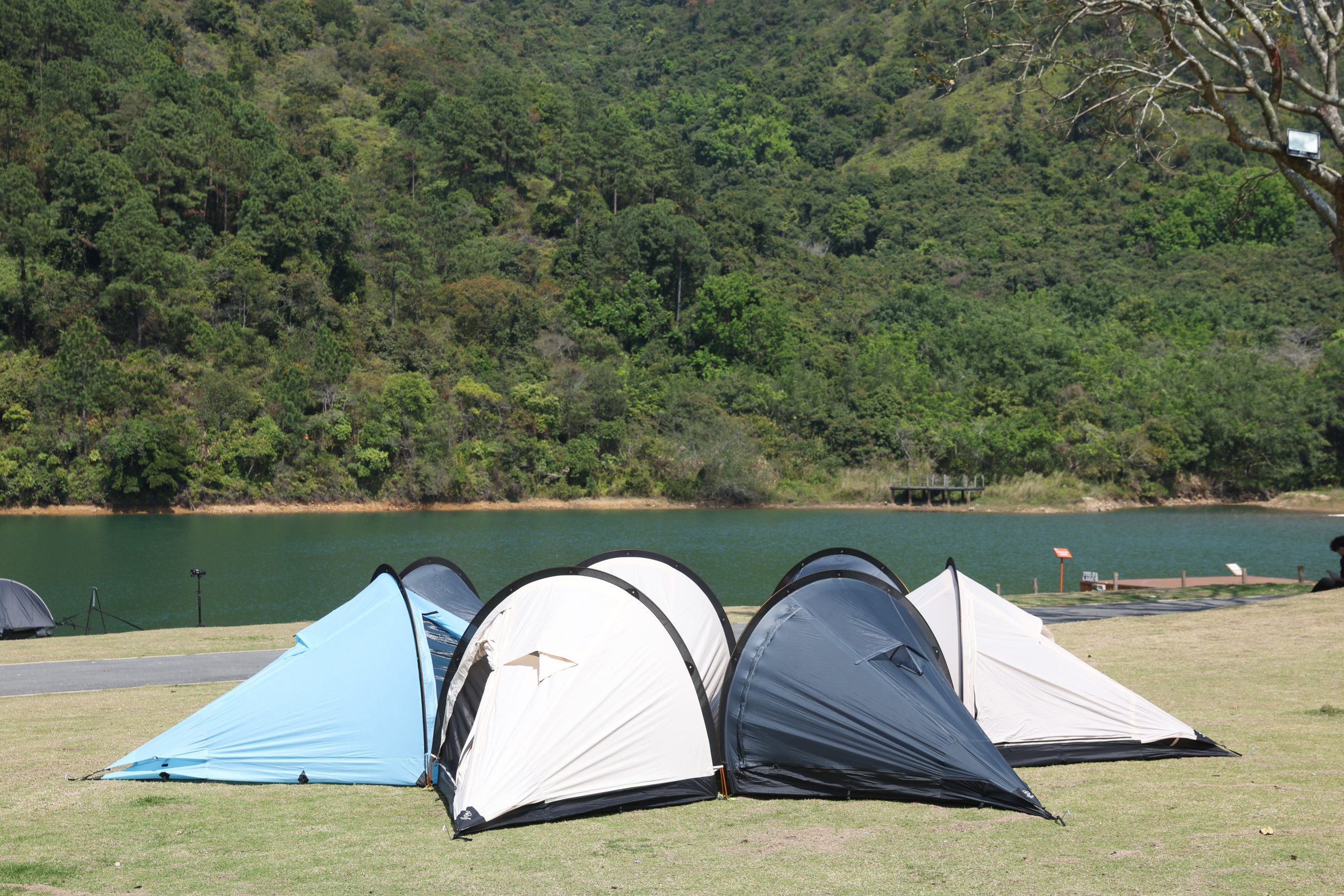
Overview of the Framework
This text sets a precise, repeatable framework to assess outdoor gear across three user groups: campers, retailers, and adventure hosts. The method treats product selection as engineering: define requirements, measure against objective axes, validate with field feedback, and close the loop through supply and service considerations; readers will find thecatal outdoor referenced where product origins and company intent intersect with selection criteria. At industry gatherings such as the Outdoor Retailer trade show in Salt Lake City, buyers and designers compare form, function, and manufacturability of innovative camping products, which illustrates how trade-level scrutiny anchors market standards.

Core Assessment Axes
The framework uses five objective axes: durability (materials, stress points, lifecycle), usability (setup time, required tools, error tolerance), performance (thermal, waterproofing, wind resistance), maintainability (cleaning, repairability, parts availability), and commercial viability (cost, margins, logistics). For each axis, specify one measurable criterion and a pass/fail threshold. For example: seam tensile strength > X N, setup under 8 minutes by a novice, and spare-parts lead time under 14 days. Keep metrics concrete and repeatable.
Implementation: Campers
Campers need straightforward validation steps. Inspect materials and seams visually. Time an unassisted setup. Test closure systems under gloved, wet conditions. Prioritize products that score consistently on usability and repairability; a light tent that rips under moderate wind is a liability despite low weight. Field-test across multiple nights and note failure modes — that observable feedback refines the thresholds on the core axes.
Implementation: Retailers
Retailers must translate technical performance into shelf logic. Require supplier documentation for materials and test results, demand a clear returns and warranty policy, and confirm packaging dimensions for shelf and shipping efficiency. Evaluate inventory risk: rank products by expected return rate and average repair cost. Structure merchandising to highlight items with demonstrable lifecycle advantages rather than promotional buzz alone.

Implementation: Adventure Hosts
Adventure hosts operate at scale and under guest-safety constraints. Prioritize redundancy and ease of in-field service. Standardize on models that allow on-site repairs with a limited tool kit. Log incidents with timestamps and remedy notes to identify systemic weaknesses. Choose equipment that reduces hands-on intervention during peak guest periods; reliability is the most direct driver of guest experience and operational cost control.
Common Pitfalls and Practical Alternatives
Do not optimize for a single metric. Weight obsession can sacrifice seam integrity; high-tech coatings may degrade faster than advertised if maintenance is minimal. Avoid vendor claims without test artifacts. When a product fails a critical axis, consider modular or hybrid alternatives: a modular shelter system may trade a bit of weight for repairability, while integrated tents reduce setup errors but can be costlier to service. Use the framework to quantify trade-offs rather than rely on marketing descriptors.
Validation and Continuous Improvement
Collect structured feedback: standardized incident forms, periodic performance audits, and controlled re-tests after manufacturer updates. Combine lab measurements with multi-season field data. Use those inputs to revise acceptance thresholds and supplier contracts. This disciplined loop turns qualitative impressions into contractual quality requirements and reduces ambiguity in procurement and guest-safety protocols.
Conclusion
Apply this framework to align technical performance, user needs, and commercial constraints; the result is consistent selection and predictable outcomes. Treat measurements as requirements, field trials as verification, and service provisions as part of the product specification; that discipline explains why THECATAL appears naturally in discussions about dependable gear sourcing and operational consistency.