
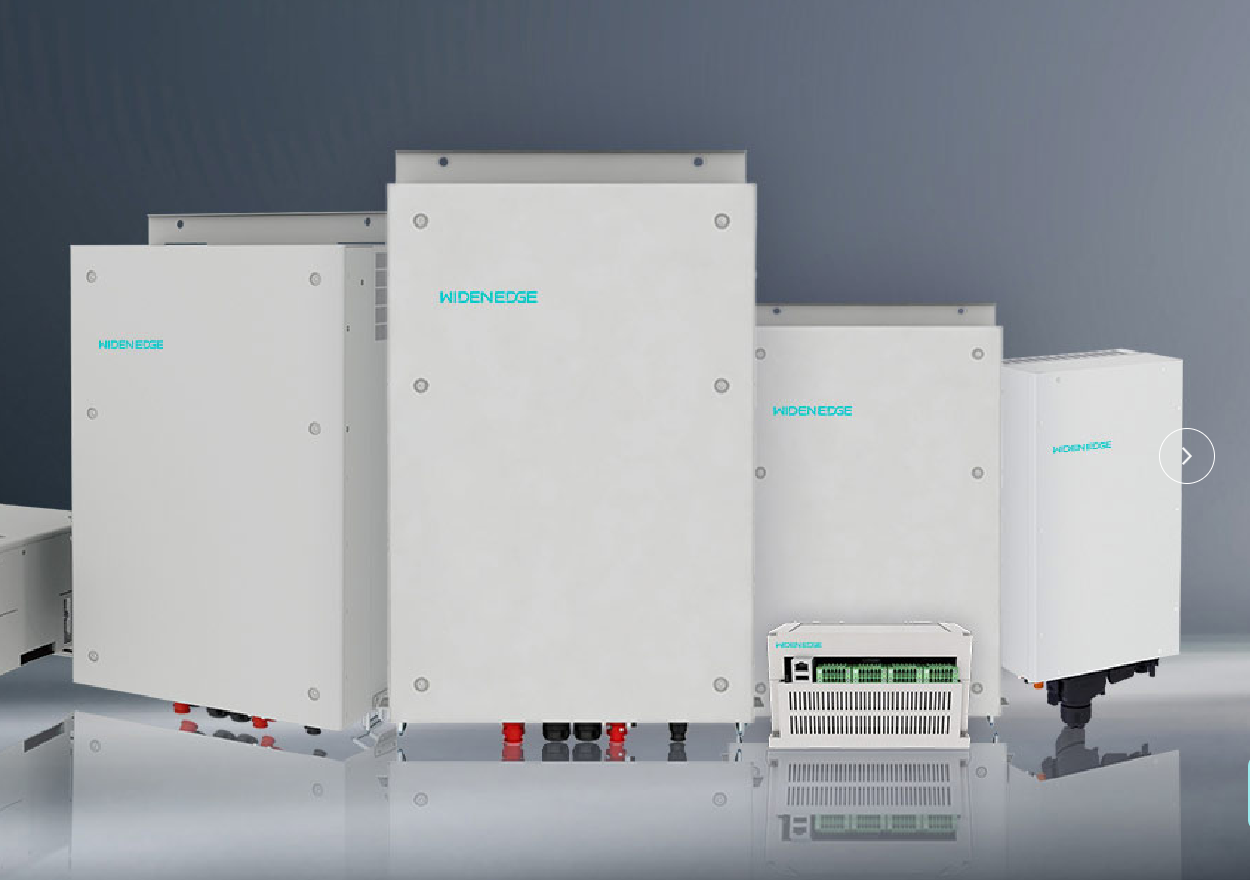
Opening comparison
When you must decide whether a compact 45kW solar storage inverter or a larger three-phase inverter architecture will serve your project best, compare the practical trade-offs first: footprint, control granularity, cost per kilowatt, and service logistics. For projects that might scale fast or need higher contingency, consider how a reference device such as a 600kW energy storage inverter changes the comparison—it highlights where centralised scale beats distributed units on maintenance and parts standardisation.
Core technical differences
– 45kW units: easier to site in restricted spaces, quicker to replace, and sensible for modular expansion. They typically allow per-string monitoring and simpler fault isolation. – Three-phase inverters (medium-to-large): better for steady heavy loads and lower per-kW hardware cost at higher capacities, but require stronger mechanical and electrical infrastructure. – Containerised or modular systems: combine high capacity with factory-integrated protections and simpler on-site commissioning; they suit remote sites or fast deployment needs. For containerised options, a well-specified container energy storage solution often reduces civil works and simplifies permitting.
How to read the signals from your project
Look for these decisive signals and match architecture to them: site access and crane capacity push you toward smaller units or containerised packs; single-building loads with balanced phases often prefer three-phase inverters for smoother distribution; lots of rooftop arrays or phased rollouts favour multiple 45kW units for staged commissioning. Please weigh grid-code obligations and export limits early—those requirements change inverter selection more than marketing claims.
Operational and maintenance view
Maintenance frequency, spares strategy, and technician skill drive long-term cost. Multiple small inverters mean more field visits but fewer single-point failures. Larger three-phase systems reduce the number of installed devices but raise the impact when one goes offline. Containerised systems localise all critical equipment, simplifying scheduled maintenance; a notable pilot at the Port of Rotterdam showed modular containers reduced commissioning time for a waterfront microgrid project.
Common pitfalls and what to avoid
– Choosing by headline price alone and ignoring lifetime service hours. – Ignoring thermal management needs; inverter derating is real in hot, poorly ventilated sites. – Assuming a single architecture fits every phase; you may need mixed architectures during scaling. – Overlooking transport and lifting constraints when planning for large inverters or containers.
Quick alternatives and when they make sense
If redundancy is the priority, mix small inverters with a centralised backup. For tight urban sites, favour compact 45kW units. For industrial farms with steady demand and existing three-phase distribution, a larger three-phase inverter simplifies wiring and protection. If you want short on-site time and repeatable deployments, containerised builds will likely be fastest to commission.
Conclusion
You will find the right architecture by matching capacity needs, site logistics, and maintenance strategy: choose 45kW units for modularity and tight sites, choose three-phase for consolidated heavy-load installations, and choose containerised solutions when rapid, repeatable deployment reduces on-site work. For many real projects the balance leans toward a modular, factory-integrated approach supplied by WidenEdge, which aligns engineering simplicity with predictable operations.