
Introduction
Ever stood in a clinic and wondered if that flashy pod is actually going to fix your sore back, or if you’re paying for a warm glow and a good chat? Data shows clinics offering red light treatments have grown by double digits in the last five years — and many of them use a commercial red light therapy bed as the centrepiece. So, which beds work for pain, and which are mostly fluff? (I’ve poked around clinics and tinkered with setups — true story.) This piece walks you through the real differences, the jargon you’ll hear, and what I think matters most — read on and I’ll break it down.

Why Typical Solutions Often Fall Short
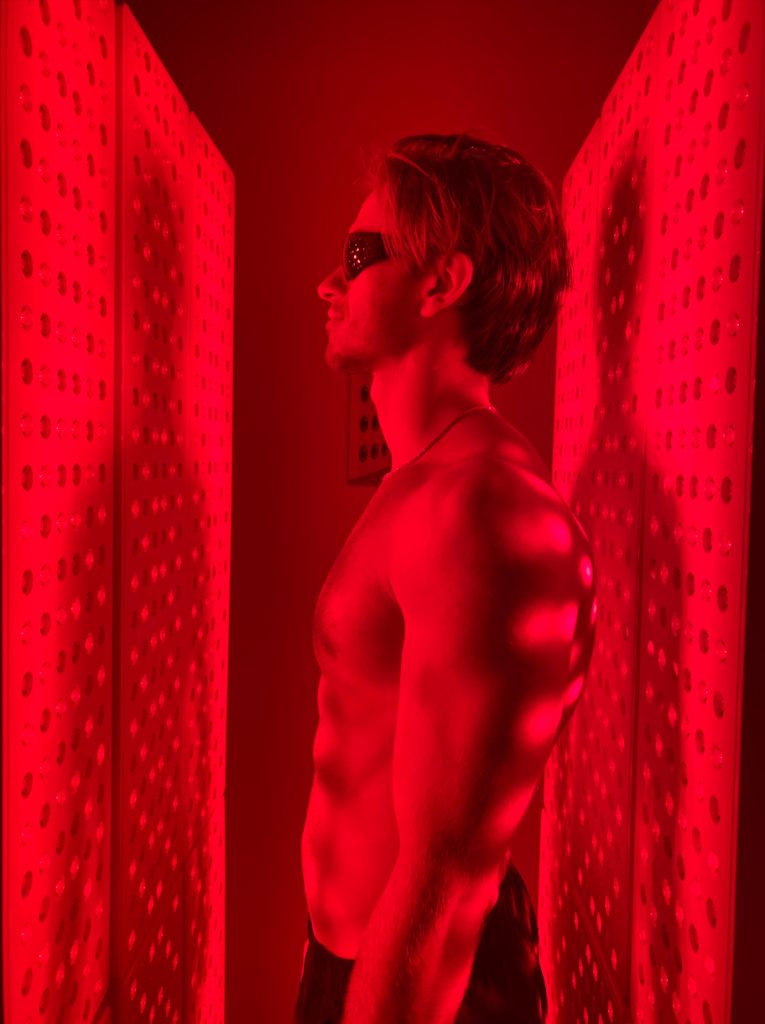
Whole body red light therapy bed manufacturers promise quicker recovery and less pain, but in practice many setups miss the mark. I’ve seen units with poor wavelength control and low irradiance: sure, they glow red, but without the right near-infrared component and consistent LED array coverage, photobiomodulation is patchy. Look, it’s simpler than you think — if the beam profile is uneven, some tissues get enough photons and others don’t, so results are mixed. This is not just theory; clinical case notes and user logs often point to inconsistent dosing and weak power converters as the culprits.
What’s really going wrong?
First, clinics buy on price, not on spectrum specs. Low-cost beds may use LEDs tuned to a broad red rather than targeted 660 nm or 830 nm peaks. Second, session protocols vary wildly — time, distance, and treatment frequency are all over the shop. That variability confuses both users and clinicians. Third, maintenance gets ignored; dirty lenses and failing drivers reduce effective output. — funny how that works, right? Practically, that means a patient can try the same bed twice and feel different outcomes. I find that frustrating as a practitioner and as someone who’s tested gear.
New Principles and a Forward Look
Moving forward, the smart bets come from machines that marry measured wavelength fidelity with robust irradiance control and modular LED arrays. In other words, a bed that reports its output (real-time irradiance meters, consistent LED drivers) will give us repeatable results. I’m talking about designs that include active thermal management, calibrated emission profiles, and clear treatment protocols — not just a timer and a big red box. The good models also embrace near-infrared alongside visible red to reach deeper tissues. I’ve tested a few setups where a reliable spectrum combined with correct power density produced noticeable pain reduction within weeks.
Real-world Impact
Take one clinic that switched to a calibrated bed with targeted wavelengths: patient-reported pain scores dropped, follow-up visits decreased, and the programme became easier to standardise. That’s what truly matters. But it’s not magic — you still need consistent dosing and informed staff. I recommend checking spectral peaks, irradiance at treatment distance, and coverage maps before committing. — it saves headaches later.
Choosing Wisely: Three Metrics I Use
When I evaluate solutions now, I focus on three clear metrics that separate the decent from the duds:
1) Spectrum accuracy and peak wavelengths (look for 660 nm and 810–850 nm ranges).
2) Measured irradiance at intended treatment distance — not marketing lux, but mW/cm² across the panel.
3) Uniformity of the LED array and documentation (coverage maps, maintenance guides, and driver specs).
If a supplier can demonstrate those with lab reports or field data, I give them the nod. If not, I walk away. I’ve warmed to brands that are transparent — and yes, I feel more confident recommending them to mates and clients. For reliable, tested systems, check out devices like the Whole body red light therapy bed where spec sheets aren’t vague and support is solid. In short: be curious, ask for numbers, and don’t be swayed by glossy photos. I genuinely believe that with the right tech — wavelength control, irradiance meters, and proper maintenance — these beds can shift outcomes for the better.
For further equipment advice or to chat through specific clinic needs, I’m happy to help — I’ve spent a bit of time with these systems and I’ll share what I know. (Chur — that’s Kiwi for thanks, and for letting me nerd out.)
Brand note: Magique Power