
Introduction — A Short Workshop Tale
I used to walk into small metal shops and feel the air hit me like a workout I didn’t sign up for — sticky, sharp, and tiring. In one shop the owner told me their team logged 30% more sick days the year before, and I thought: we can do better. A laser fume extractor is not a luxury; it’s a baseline for healthy work (and yes, it protects productivity). Studies show particulate and VOC exposure near cutting and engraving stations can exceed safe limits by several times — so what exactly should you expect from your next extraction upgrade? Let’s break it down and map the choices clearly for you — short, direct, practical. Next, I’ll explain where common systems trip up and why that matters to you.
Where Traditional Systems Fall Short
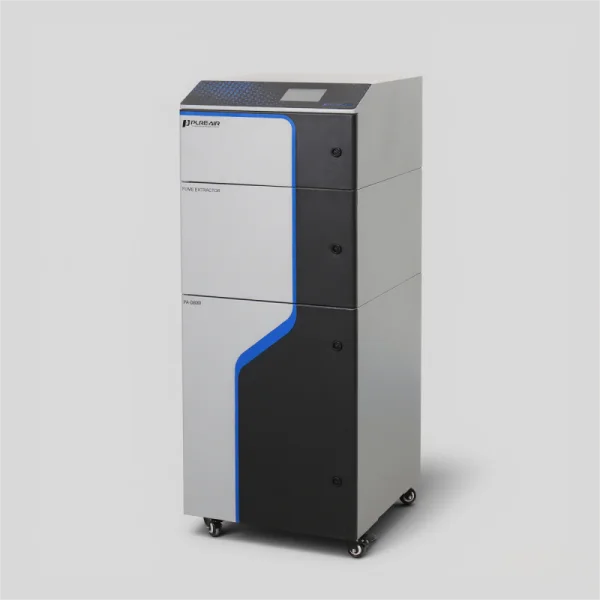
CO2 laser fume extractor designs often promise “capture everything,” yet many miss key performance marks in daily use. I’ve inspected dozens of units; most show weak capture at the source because of poor hood placement or insufficient airflow rate. Technically speaking, capture velocity matters more than raw filter rating. You can fit HEPA media and activated carbon and still fail if the blower motor can’t sustain the designed flow. Look, it’s simpler than you think — balance matters: intake geometry, duct length, and fan curve all change real-world performance. Also—funny how that works, right?—operators often disable units because noise or maintenance gets in the way.
Why does this keep happening?
Two big problems recur: filter trade-offs and maintenance neglect. Manufacturers sell high filter efficiency numbers, but they don’t always disclose pressure drop or recommended replacement intervals. In practice, a clogged pre-filter chokes airflow; the HEPA stays pristine on paper, yet nothing reaches it. That’s where true filter lifecycle planning and a realistic maintenance schedule matter. I’ve learned that a system with easy filter access and clear service cues will be used. If the system is loud, or the controls are cryptic, people bypass it. That’s the hidden user pain point. We call it human factors — and it breaks even the best specs.
Principles Behind Next-Gen Designs
Now switch gears — let’s look forward. Modern improvements aren’t just about higher-rated media or prettier cabinets. They focus on flow intelligence, modular capture, and smarter sensors. A next-wave CO2 laser fume extractor should tune capture to the task: variable-speed fans, vortex hood shapes, and real-time airflow monitoring. I prefer systems that report filter differential pressure and run an auto-boost during heavy cuts. That kind of edge — edge computing nodes in the control loop, simple user readouts — keeps performance true to spec. It’s practical, not flashy.
What’s Next for shop owners?
Expect more hybrid solutions: active capture plus localized UV-C or post-filter catalytic stages for specific VOCs, and smarter alerts that nudge operators before performance drops. One clear trend: serviceability built into the design. Units that guide you — “change pre-filter now” — will stay operational. I’ve seen cases where a small behavior nudge doubled uptime; it was a low-cost change but high impact. — and yes, I check the data before I recommend anything.
How to Evaluate Options (Three Practical Metrics)
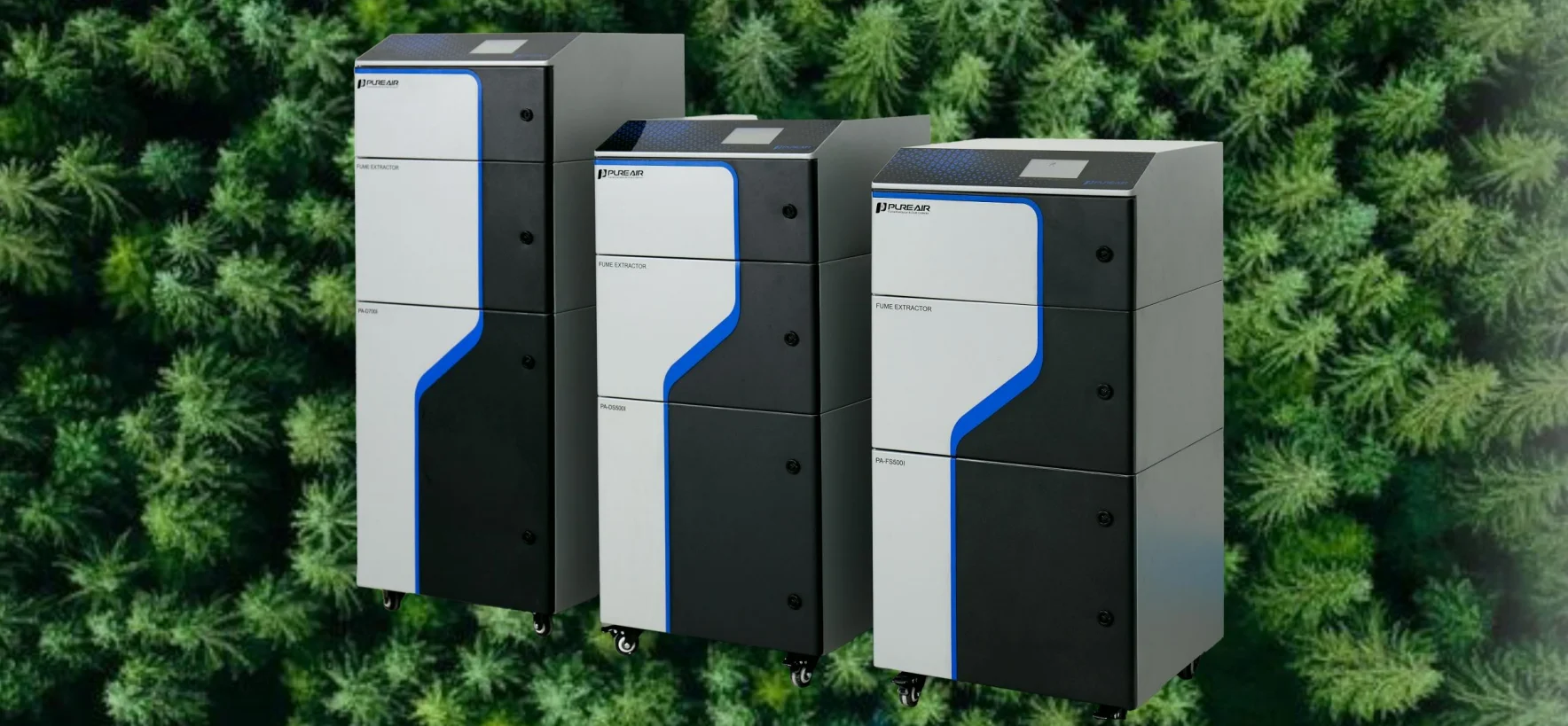
Let me leave you with three concrete metrics I use when I evaluate systems. First: effective capture velocity at the actual hood location (not the spec sheet number). Measure or ask for data at the distance your process allows. Second: system pressure drop and recommended filter life — these tell you real operating cost and when airflow will start to suffer. Third: usability and service design — are filters tool-free? Are alerts clear? If not, the best filter still won’t help. Pick systems that score well on all three, not just one. I’m partial to solutions that treat maintenance as part of product design — it shows respect for the people who run them.
Choosing wisely makes shops safer and runs smoother. I’ve seen upgrades cut downtime and sick-leave complaints within months — measurable benefits you’ll notice in the ledger and the lunchroom. For solid, user-aware options, check offerings from PURE-AIR.