

Introduction: The Challenge in Cattle Tracking
Imagine a sprawling ranch with hundreds of cattle grazing. Each day, ranchers worry not just about their safety but also about their whereabouts—how much grass they’ve munched on, how far they’ve wandered, and whether they’re in good health. Enter the Lora cattle tracker, a game-changing technology that addresses these concerns. With challenges in traditional tracking methods, the question arises: how do we effectively manage our livestock today?
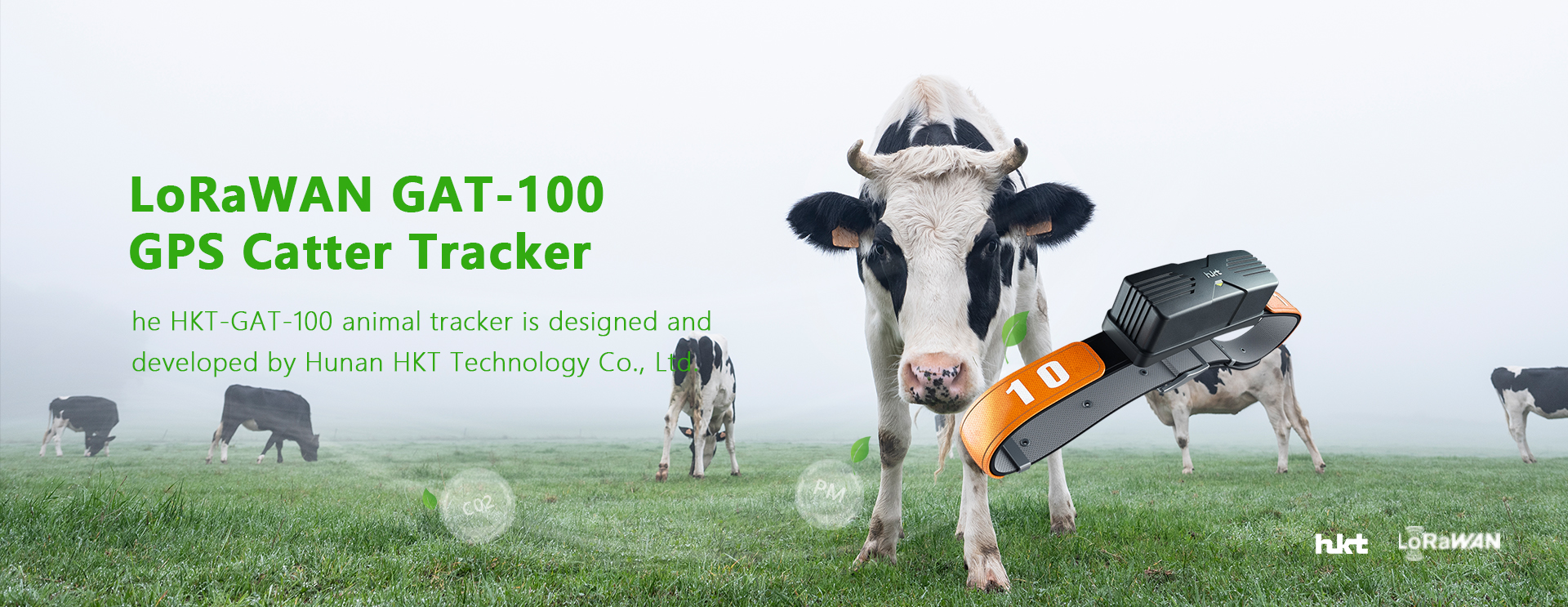
As the demand for efficient agricultural practices accelerates, the need for modern tracking solutions like the gps tracker for cows becomes increasingly vital. This tracking innovation connects with edge computing nodes, offering real-time insights into cattle movements. But could there be hidden flaws in the conventional systems? Let’s explore.

Understanding the Hidden Flaws of Traditional Solutions
You’ll find that traditional livestock tracking often runs into a few bumps along the way. Most systems rely on outdated technologies that provide minimal coverage. For example, many cattle trackers don’t cover vast ranch lands effectively, leading to inconsistent data and potential health risks for the animals—funny how that works, right? With limited GPS accuracy and high maintenance, these traditional solutions have their shortcomings.
Additionally, the reliance on manual monitoring can be labor-intensive, creating strain on the farm operations. The lack of automation can lead to delayed responses in emergencies or health issues. So, what’s the solution to this dilemma? Simple: embracing smart technologies. The shift towards a more integrated solution like the gps tracker for animal cow allows ranchers to use data-driven decision-making capabilities, further enhancing the well-being of livestock.
What’s Next: The Future of Cattle Tracking
Looking ahead, it’s clear that new technology principles are redefining livestock management. By implementing IoT capabilities, ranchers can monitor the health and behaviors of their cattle continuously. This evolution not only improves operational efficiency but also ensures the welfare of the animals as they graze across vast pastures. Whereas traditional systems may leave you scratching your head about your cattle’s whereabouts, modern solutions like those provided by HKT LORA aim to make those concerns a distant memory.
As farmers utilize advanced analytics and automated alerts, they create a proactive environment, allowing swift actions to ensure animal health. This progress exemplifies that technology isn’t just a tool—it’s a partner in farming. The benefits of deploying such advanced solutions are immense, as it not only yields better productivity but also enhances animal care. Imagine combining automated data collection with real-time adjustments to feeding patterns and grazing management. How does that sound for the future?
Concluding Thoughts: The Way Forward in Livestock Management
In reevaluating our approach to cattle tracking, it’s important to recognize that embracing modern technology can yield measurable results. A reliable tracking system—one that minimizes human error—ensures the safety and well-being of livestock. Moving forward, consider these key evaluation metrics when selecting your tracking solution: data accuracy, real-time insights, and ease of use. As we adopt these methods, we not only prepare our farms for the future but also promote a healthier environment for our livestock.
Ultimately, the lessons we learn from integrating solutions like the Lora cattle tracker can reshape our understanding of efficient farming. The blend of tradition and technology will pave the way for smarter livestock management. It’s a promising journey, and I can’t help but feel optimistic about our agricultural future. To dive deeper into these solutions, check out the innovative offerings from HKT LORA.