
Problem first: seams that don’t hold
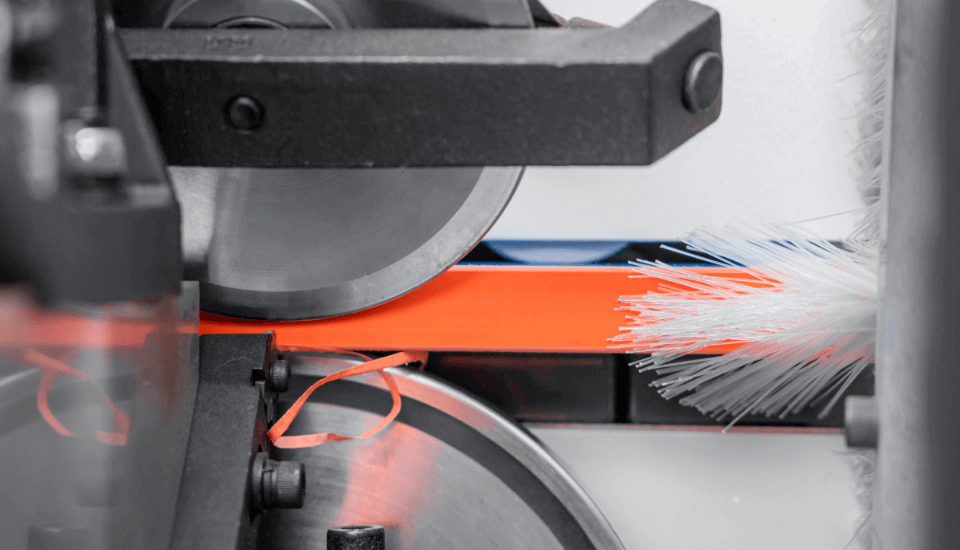
Boards leave the press with perfect faces but ragged, peeling edges — the workshop equivalent of an under-seasoned sauce. The problem is not artistry; it’s equipment mismatch. When your workflow demands repeatable, clean joins at varying speeds and material types, a layout that relies on hand-fed tricks or mismatched servo controls fails the test. A modern automatic edge banding machine needs to behave like a reliable sous-chef: predictable, adjustable, and precise.

What to test: measurable, kitchen-grade criteria
Think like a chef tasting for salt: you measure each variable. Check feed consistency (mm per second), glue temperature stability (°C over one hour), edge stock handling (0.4–3 mm, ABS vs. solid wood veneer), trimming repeatability (±0.1 mm), and servo response time under load. Inspect warm-up time, changeover between edge types, and how the machine signals a jam. These are the metrics that separate a gadget from a tool you can rely on during a busy run.
Real-world anchor — what I saw on a busy shop floor
At a cabinetry shop in Shenzhen, I watched an auto bander machine run a mixed batch for eight hours: PVC edges one hour, thin wood veneer the next, then a curved laminate. The servo-driven feed held a steady tracking; glue spread was even across 2,000 linear meters with only two adjustments. That kind of throughput and consistency is what makes a machine worth integrating into a localized production line.
Common mistakes that spoil the finish
People under-spec the glue system, over-speed the feed, or skip routine knife sharpening. They treat edge-band stock as uniform — it isn’t. Failure to calibrate pressure rollers for different thicknesses invites gaps; ignoring adhesive open time turns a tight seam into a weak peel. Regularly check glue viscosity, clean pressure roll surfaces after every color change, and schedule trimming blade checks every 500–1,000 meters depending on material abrasiveness.
Alternatives and practical trade-offs
Manual banding keeps capital low but costs repeatability and labor hours. Semi-auto units are fine for small runs but choke on mixed-job days. Fully integrated servo systems increase upfront cost yet slash rework and setup time. Choose based on job mix: if you run varied profiles or expect quick changeovers, a servo-driven automatic system pays back through fewer rejects and steadier takt times.

Synthesis and practical takeaway
Fix the seam issues by treating the bander like a critical station in a recipe: precise heat, steady feed, and proper tool care. A solution that delivers consistent glue temperature, quick, programmable changeovers, and robust servo control solves production variability. For shops that want seams as reliable as a well-timed cook, the machine selection and support behind HUAHUA CNC fits the practical needs of localized machining without theatrics—just steady results you can count on.