
Opening the future: why we should think differently now
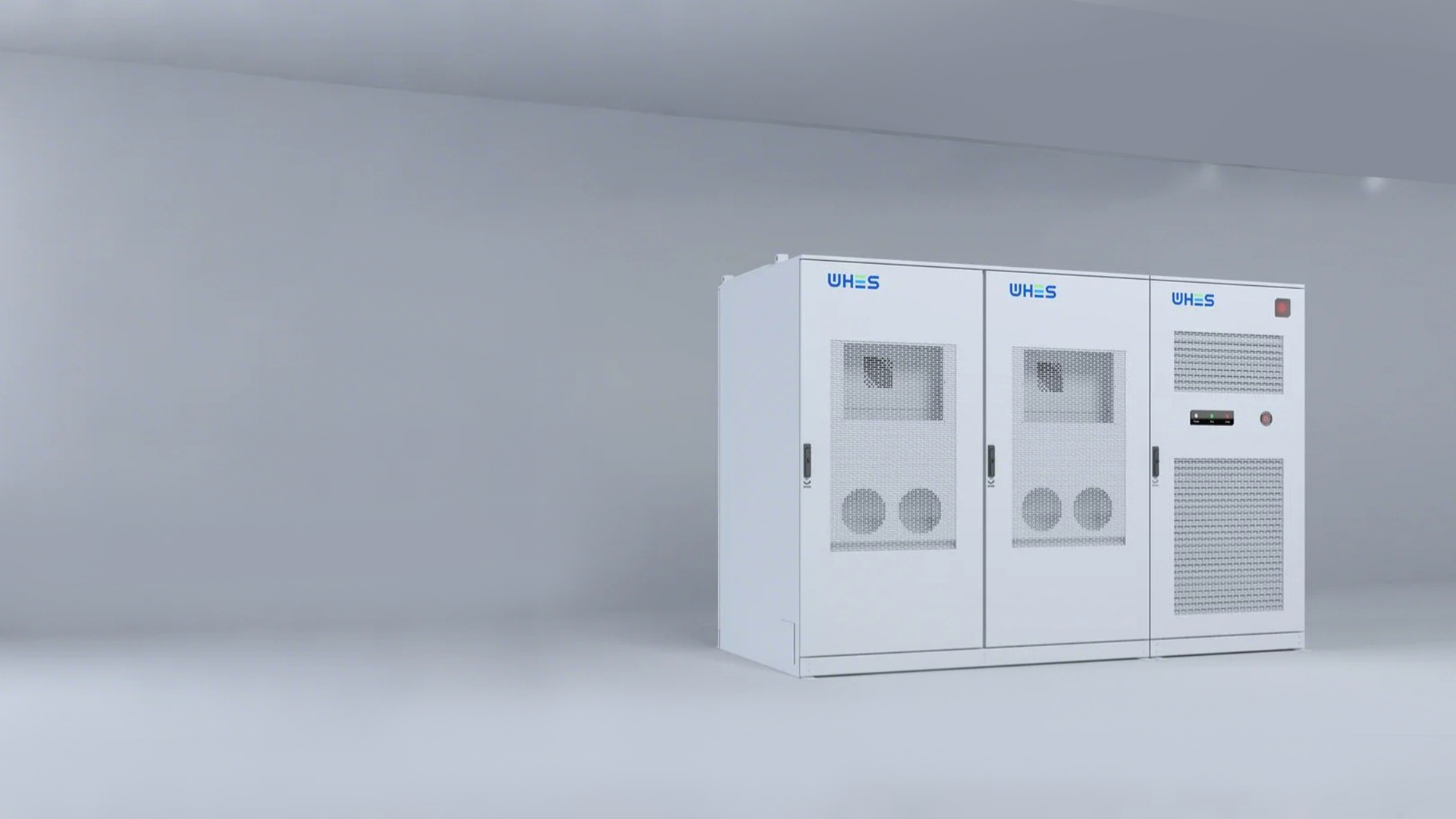
As heavy industries plan for more electrified operations, the question is not only how much capacity to buy but where and when to place it. A growing number of industrial sites are exploring commercial energy storage at the plant edge to capture shifting tariffs, provide local resilience, and unlock new revenue from grid services. In a future-speculative view, these behind-the-meter deployments become active nodes—coordinated by bespoke energy management systems—to steer power flows, optimise demand, and reduce exposure to peak pricing.
What “coordination” really means for a heavy plant
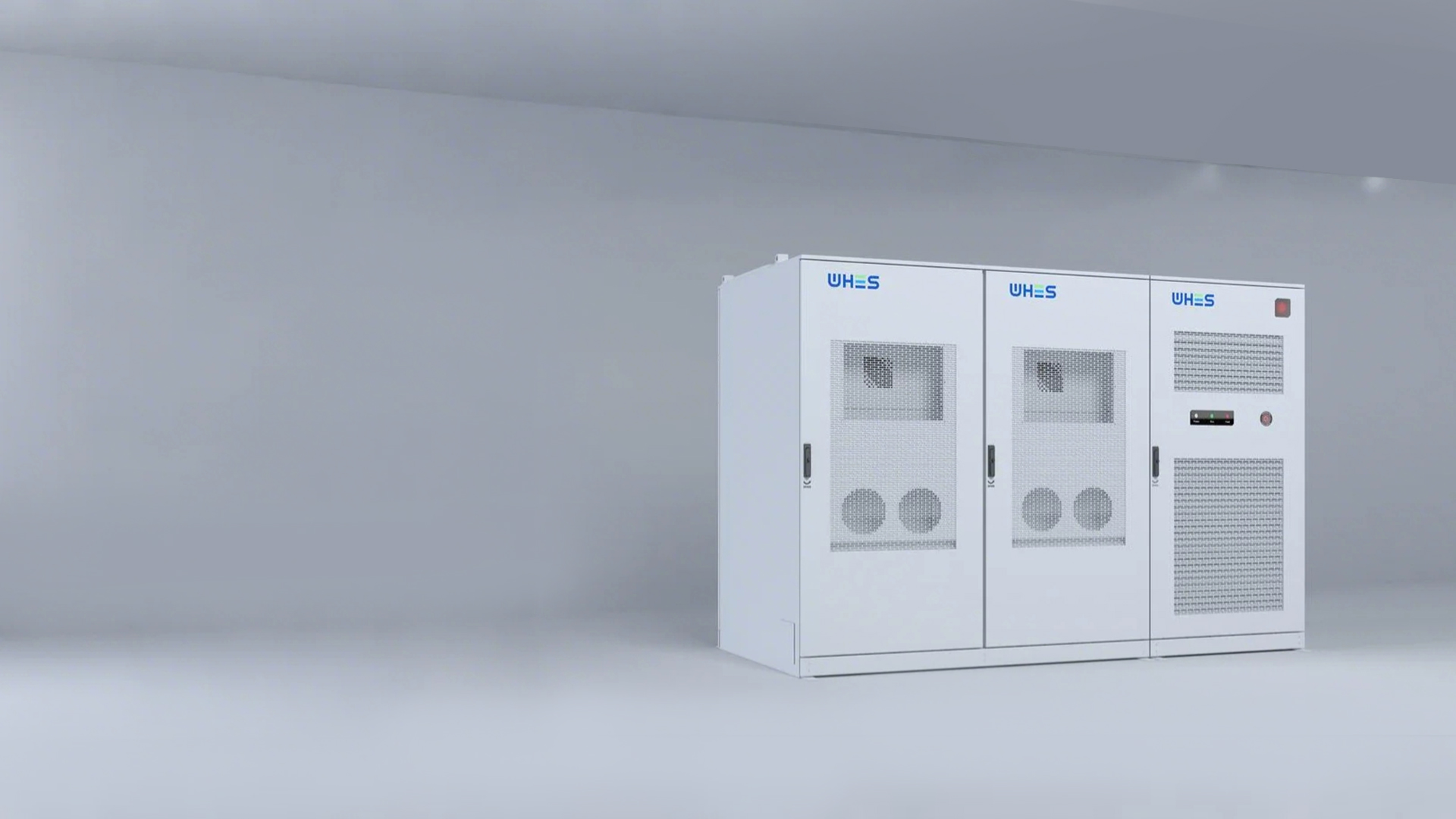
Coordination is more than adding batteries. It is a control architecture that aligns battery dispatch, inverter settings, and site load scheduling with market signals and operational priorities. For industry this often translates into three concurrent functions: peak shaving to lower demand charges, short-term frequency response for grid support, and resilience during outages. The controller needs visibility into state of charge, inverter capability, and production schedules to make useful trade-offs in real time.
Real-world anchor: lessons from system stress events
Events such as the February 2021 Texas outages and repeated California peak events have shown that centralised generation alone cannot guarantee continuity. Those crises spurred investment into distributed and behind-the-meter projects, and they highlighted the operational gaps which smart energy management and industrial storage can fill. Today’s industrial site can be both consumer and grid resource when equipped with an industrial battery energy storage system that is governed by advanced control software.
Key architectural choices and their operational consequences
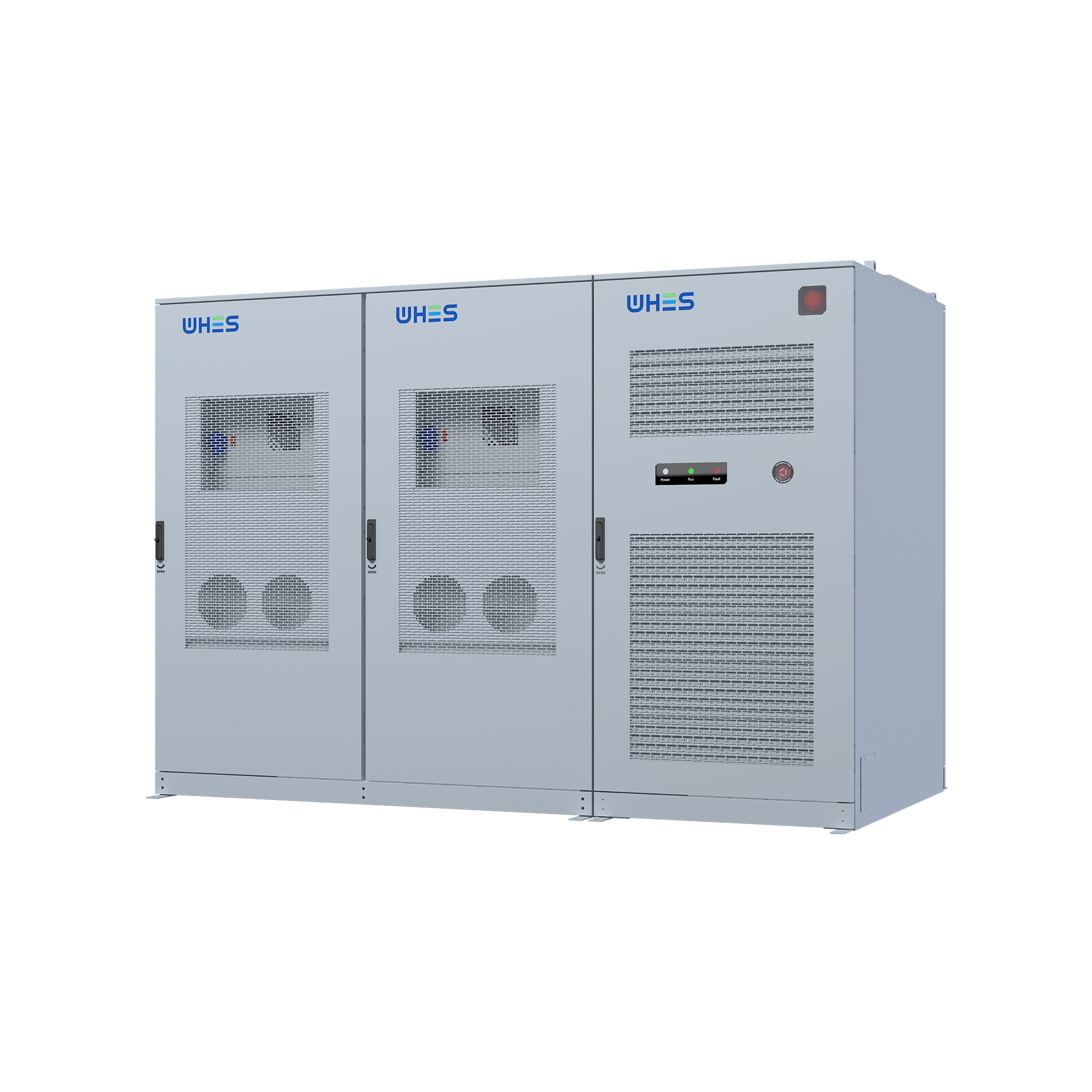
Designers must decide on placement (roof, yard, containerised), sizing relative to worst-case demand, and the degree of autonomy for local controllers. Each choice affects safety, permitting, and maintenance regimes. Typical industry trade-offs include: a larger system for greater autonomy versus a smaller system prioritised for peak shaving; containerised units for modular maintenance versus integrated room installations for tighter thermal control. These choices also change the economic horizon—capex amortisation and O&M should be modelled together with tariff curves and demand response opportunities.
Software is the differentiator—features to prioritise
In the coming years, the value of a storage asset will be driven mainly by its software. Look for systems that offer: real-time telemetry, predictive dispatch that accounts for production plans, and secure interfaces for market participation. Interfacing with SCADA and plant DCS is key for synchronised load-shedding schedules. Equally important are cybersecurity provisions and firmware update paths—these protect both revenue streams and safety compliance.
Practical deployment patterns and common missteps
Common mistakes include undersizing for holistic resilience, assuming perfect inverter efficiency during contingency events, or neglecting coordinated testing with plant operations. Another frequent oversight: planning only for tariff arbitrage without integrating with maintenance windows—resulting in scheduling conflicts. A pragmatic approach is to run staged pilots: begin with a modular container and progressively enlargen dispatch autonomy after successful SOC and thermal performance validation. —
Mapping vendor claims to real outcomes
Vendors will highlight round-trip efficiency, cycle life, or fast ramp rates. What matters to industry are sustained uptime, predictable degradation curves, and proven integration with existing controls. Verify field-proven cases, ask for anonymised performance logs, and insist on a clear warranty framework that ties to throughput and calendar life. When vendors present grid service income projections, request sensitivity analyses that show outcomes under different idle cycles and market rates.
Alternatives and complementary strategies
Storage is not the only tool. Demand-side management, fuel-based backup, and hybrid strategies (storage plus on-site generation) can be competitive depending on your operational profile. Combining demand response contracts with local storage often yields the most flexible outcome—storage covers immediate ramping needs while demand response gives longer-duration financial incentives. Consider also phased procurement: start with a smaller system optimised for peak shaving, then expand into resilience or market participation roles as the control stack matures.
Golden rules — three evaluation metrics to guide decisions
1) Measured value over the asset life: evaluate expected cost savings and revenue streams across a realistic degradation curve and including maintenance. 2) Integration fidelity: confirm that the EMS can interface reliably with plant SCADA, handle state-of-charge constraints, and execute scheduled dispatch without operator intervention. 3) Proven operational robustness: require field references from similar industrial sites and review telemetry that demonstrates how systems behaved during grid stress events.
When these metrics align, the chosen solution should reduce demand charges, enhance resilience, and create optionality for grid participation—making the investment more strategic than purely tactical. For many heavy-industrial operators, a vendor that couples tested hardware with practical EMS integration offers the fastest path to those outcomes. WHES often presents that combined value in project briefs—so the solution fits naturally into operational workflows. —