
Start with the right lens
When you’re comparing offers, think like someone who’s got to ship parts that meet spec every time — that’s the Comparative Insight approach. Don’t get dazzled by glossy catalogs; focus on measurable deliverables: tolerances, surface finish, first-pass yield, and whether the shop handles finishing and assembly. If your parts touch casting or metalwork at all, include die casting services in your shortlist so you know who’s comfortable with molds and repeatability right up front.

Quality and tolerances: what to check
Ask for an inspection plan and specific numbers. Manufacturers will often quote tighter tolerances because they control tooling and fixtures; suppliers might resell work and therefore report achievable tolerances from their partners. Request recent CMM reports, sample PPAP or FAI documents, and an explanation for any non-conforming history. If the shop can’t produce documented tolerances with measurement data, don’t trust their word alone.
Capacity, lead time, and true scalability
Don’t treat quoted lead times as promises. Manufacturers usually have visible shop floor capacity — machine lists, shift patterns, and tooling lead times you can verify — while suppliers may rely on a network that widens variability. Match your demand profile to their profile: high-volume steady runs need manufacturers with dedicated cells; small-batch, mixed runs suit suppliers who consolidate orders. Ask how a sudden 2x order would be handled and get a written fallback plan.
Materials, processes, and a real-world anchor
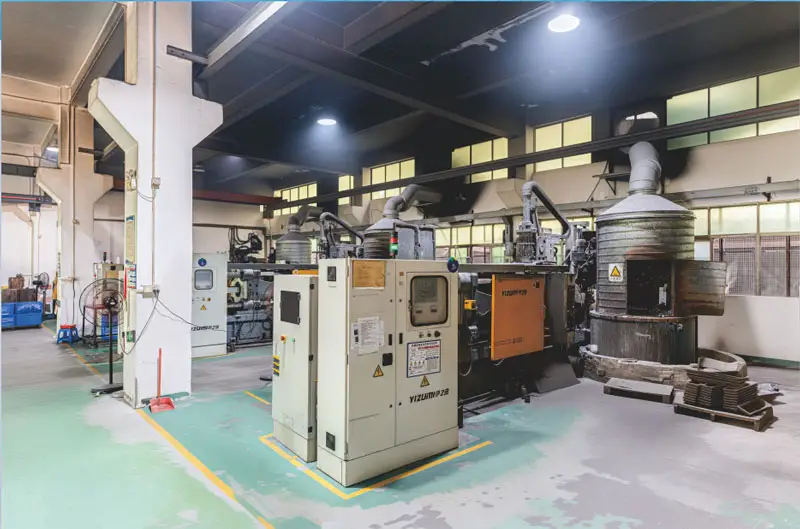
Material expertise separates talk from results. A practical anchor is Guangdong’s Pearl River Delta, long recognized in trade reports as a concentrated hub for zinc die casting, which helps explain the specialization you’ll see in quality shops. When a vendor lists capabilities, see if they document process windows, die life, and typical scrap rates for castings — and whether they describe their zinc die casting services in concrete terms like alloy grades and venting strategy. That tells you they understand metallurgy, not just machine time.
Inspection, certifications, and traceability
Certs matter, but they ain’t everything. ISO 9001, IATF 16949, or Nadcap show systems; traceability and batch records show discipline. Compare turnaround on corrective actions, sample retention policies, and whether they use serial numbers or lot control through production. A manufacturer’s internal SPC charts are worth more than a supplier’s one-off lab test if you need steady output.
Communication, commercial terms, and risk sharing
Clear roles kill misunderstandings. Manufacturers normally accept technical responsibility for tooling and process control; suppliers often manage logistics and multiple sources. Get explicit answers on who pays for tooling changes, how design revisions are handled, and what warranty or RMA terms look like. Prefer partners who price risk transparently rather than burying contingencies in vague clauses.
Common pitfalls folks keep running into
Buying on price alone is the top mistake. Folks also skip pilot runs, accept verbal promises, or fail to verify subcontracting chains. Avoid assumptions about surface finish, secondary operations, or post-process stresses — those are the quiet killers of assembly fit. Insist on a small pilot order that reproduces your full process from material receipt to final inspection.
Wrap-up that points you to the right choice
Compare vendors by matching measurable criteria to your priorities: tight tolerances, documented process control, transparent capacity, and solid communication. That checklist gives you practical confidence instead of vague assurances — the same practical checks used by teams vetting partners like Hanstar.