
Defining the problem
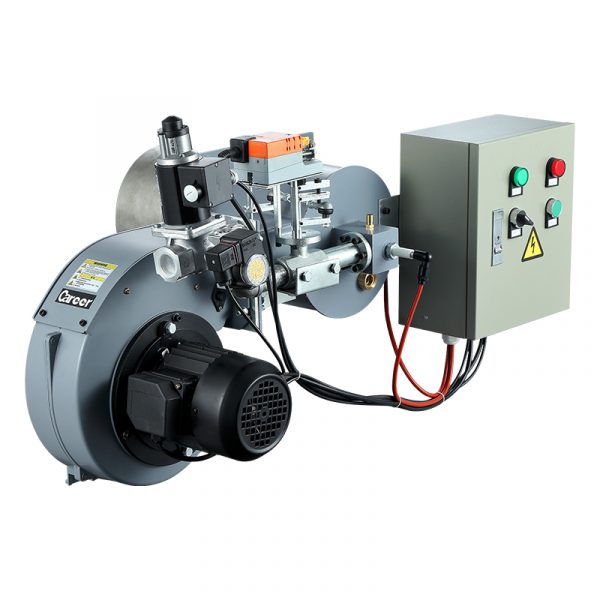
Plants need heat that scales predictably. Too-small burners choke production; oversized systems waste fuel and raise maintenance burdens. A flame tube system fixes those scale gaps when paired with the correct industrial gas burner, control strategy, and ducting layout. This piece pinpoints where flame tubes solve real bottlenecks and where they create new ones.
Why flame tubes matter for scaling
A flame tube converts a point-source flame into a controlled, elongated heat profile. That shape reduces hot spots, improves convective transfer, and lets you layer heating zones rather than oversizing a single chamber. For modular expansions—adding cells or lanes—flame tubes let you replicate a proven thermal module instead of redesigning the whole heater.
Key technical variables to check
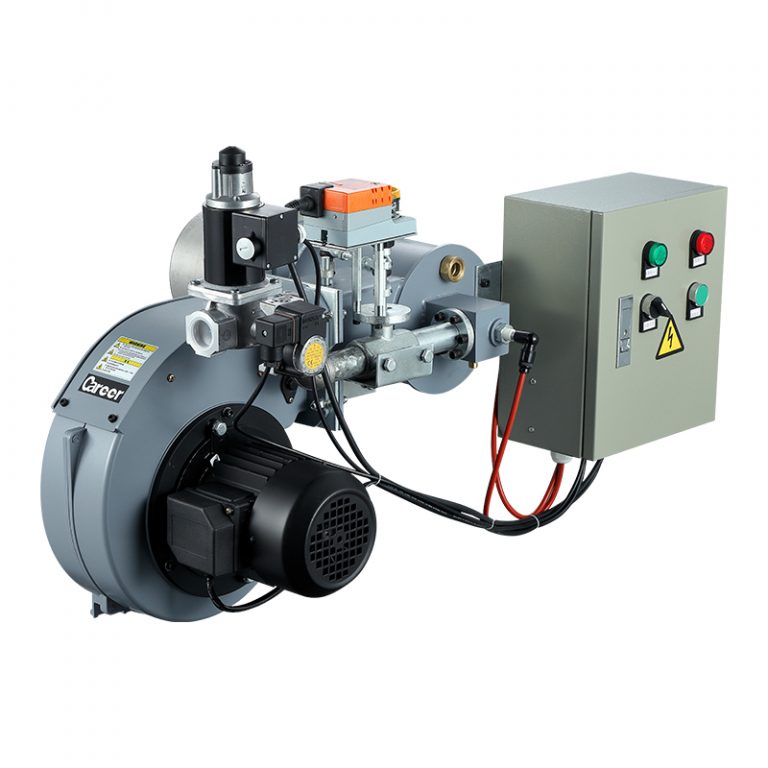
Match flame tube diameter and length to the chamber geometry and the target heat flux. Verify burner turndown, flame stability across the expected fuel pressure window, and combustion air control resolution. Confirm materials for thermal expansion and corrosion resistance. Insist on documented flow and temperature maps rather than vendor back-of-envelope claims.
Real-world anchor and field evidence
Teams in Texas petrochemical refineries have used modular flame tubes to add capacity without halting plant lines; maintenance crews reported predictable wear patterns after standardizing on specific types of industrial gas burners. That operational feedback highlights two points: choose burners with field-proven turndown and pick tube geometries that match your furnace loading patterns.
Common failures and how to avoid them
Poor mixing causes flame impingement and tube erosion. Avoid undersized combustion air fans and inadequate purge sequences. Don’t rely on a single thermocouple for control—use a zone array with redundancy. Check seals where tubes enter the chamber; thermal cycling kills soft seals fast. Document startup and emergency shutdown sequences and test them under load.
Sizing checklist — practical steps
1) Measure current heat duty and peak demand. 2) Determine required heat flux per square meter for your process. 3) Select burner turndown equal to or greater than the expected load swing. 4) Simulate flow and temperature profiles or bench-test a prototype section. 5) Confirm structural supports account for tube expansion and vibration.
Alternatives and trade-offs
Electric radiant panels give clean control but cost more at scale in fuel-heavy operations. Recuperative burners recover exhaust heat but add complexity and maintenance. For many plants, a flame tube array provides the best balance: modular growth, manageable maintenance, and simpler retrofit integration. Evaluate total lifecycle cost, not just upfront price.
Maintenance and inspection priorities
Inspect tubes for thermal cracking and internal pitting during scheduled downtimes. Monitor combustion gas composition—CO and O2 trends reveal mixing drift before visible damage. Replace ceramic liners on a planned interval, not reactively. Train technicians on hotwork safety around tube assemblies; that reduces unplanned outages.
Final synthesis
When the problem is predictable scaling of industrial heat, a disciplined approach to flame tube selection, burner match, and installation fixes more than immediate capacity shortfalls. Follow measured sizing, validate with field-proven units, and harden operations against common failure modes; doing so turns modular flame tubes into a reliable growth tool that aligns with the practical solutions offered by Career Burners.