
Introduction — a shop-floor tale, some numbers, and a question
I was in a small regional shop last month, watching a machinist wrestle with a stubborn setup that cost half a shift. The machine was a familiar sight — a combo of milling and turning — and the problem wasn’t the cutter or the raw stock. It was the control logic and timing. CNC milling and turning centers are the backbone of modern shops, but they still trip over the same issues. (You know the ones.)
Recent surveys show downtime and setup errors still account for a surprisingly large slice of lost productivity — sometimes 10–20% of available hours on busy floors. So I kept asking: why, with all the digital tools we have, are we still losing time to control quirks and integration problems? This piece digs into that. I’ll point out where the old fixes fall short, what users quietly endure, and where sensible improvements are actually worth chasing. Let’s go through the knots and see where to cut them next.
Part 2 — Deep dive: where traditional solutions fail (technical rhythm)
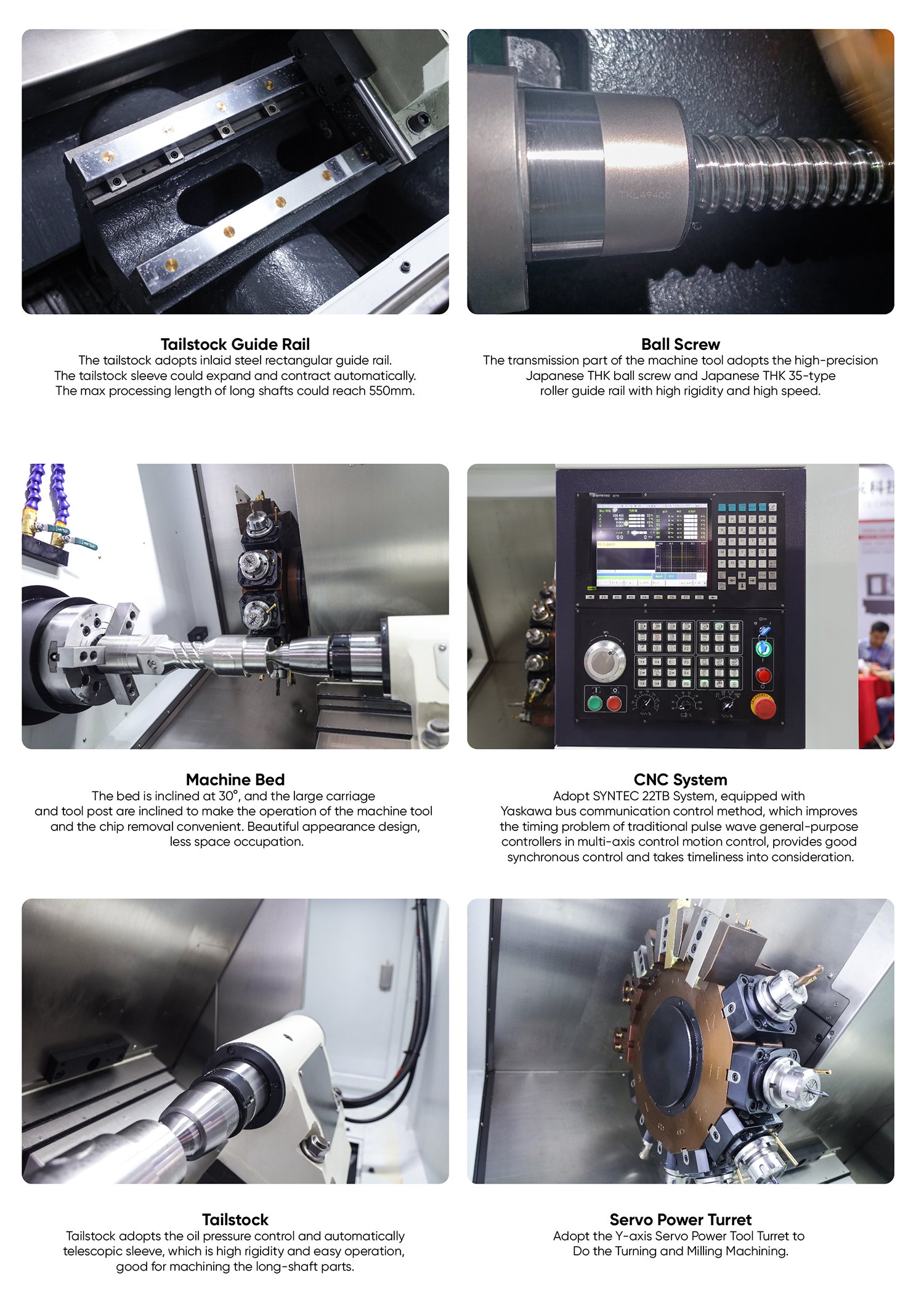
First off, we need to talk about the control. The syntec control system cnc is widely used, but I’ve seen it exposed for what it is in tight production cycles: a capable controller hampered by legacy assumptions. The firmware assumes certain cycle times, G-code flows and tool changer sequences that simply don’t match modern, mixed-production runs. When you push a machine with a heavy spindle schedule or rapid Y-axis moves, timing jitter and small backlash become visible as scrap or rework. I’ve been there — and it stings.
What exactly keeps tripping shops up?
Look, it’s simpler than you think: three culprits crop up again and again. First, control latency. Even tiny delays in the servo drive update loop show up as surface finish or positional errors. Second, inflexible sequence logic — the controller still expects long, uninterrupted runs rather than short, varied batches. Third, human–machine friction: interfaces that hide diagnostics where you need them most. Servo turret chatter, spindle inertia, G-code hand-offs — these are not glamorous, but they matter.
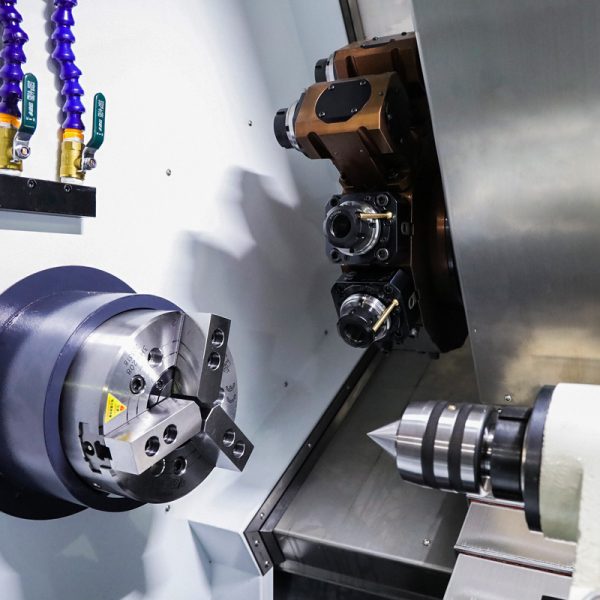
Traditional troubleshooting tends to treat each symptom in isolation. You replace a worn turret, or tweak feed rates, or add a vibration damper. That helps. For a while. But if the root cause is timing or control architecture, you’ll keep seeing problems. You waste time patching when you should be revisiting the control strategy. The industry terms I keep hearing on the floor — servo drive tuning, backlash compensation, spindle servo loops — are the right language for the conversation. Yet teams often lack the bandwidth to diagnose the full stack: mechanical, electrical, and software. — funny how that works, right?
Part 3 — Forward-looking: principles and practical choices for the next step
Now let’s look ahead. I want to frame this around practical technology principles, not hype. Modern improvements aren’t magic; they’re layered. Start with better control granularity: controllers that expose tighter servo loop parameters, smarter look-ahead G-code parsing, and adaptive feed that reads spindle load in real-time. Next, embrace modular I/O and standardized communications so machines talk to shop servers without bespoke glue. Finally, invest in training so operators read diagnostics rather than guess. These moves reduce unplanned downtime and cut setup time.
For those choosing systems, pay attention to the vendors. I’ve worked with several shops that migrated to controllers and then found hardware mismatch with their legacy machines. The right partners — including some cnc milling and turning manufacturers — will test integration early. They’ll simulate your most common jobs, not just run vendor demos. (You’ll see the difference in a week.)
What’s next for your floor?
I’ll finish with three evaluation metrics I use when advising teams: first, diagnostic transparency — can the controller show you latency, servo error, and sequence timing live? Second, integration openness — does the system support modern protocols and easy I/O mapping? Third, lifecycle support — does the vendor update firmware and help tune servo loops over time? If a solution scores well on those, you’re likely to get meaningful gains.
We’ve covered the messy reality, the hidden pain points, and a clear set of principles to act on. I don’t believe in vague promises. I do believe in measurable steps: less downtime, fewer scrapped parts, better throughput. — and you can get there without tearing up your whole shop floor. For practical parts and integration support, I often point folks to trusted suppliers. See Leichman for more on equipment and system pairings: Leichman.