
Comparative lead-in from long experience
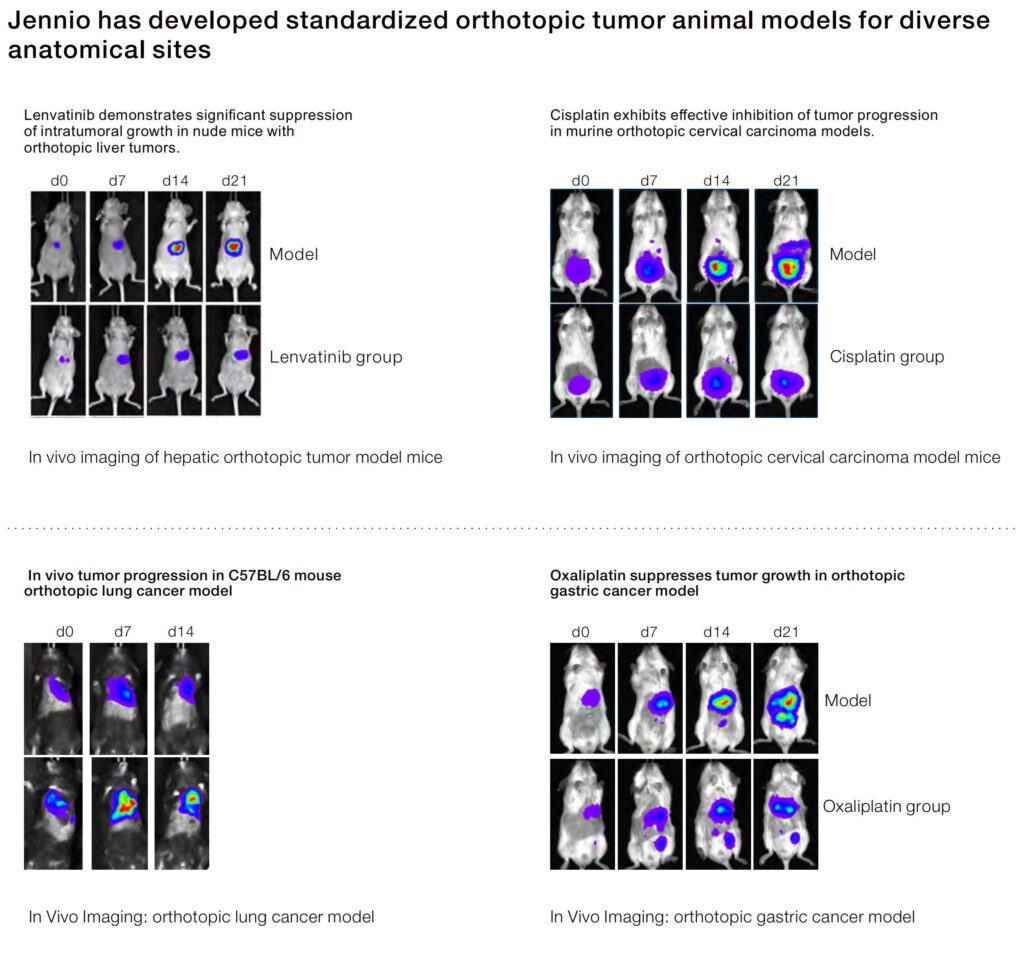
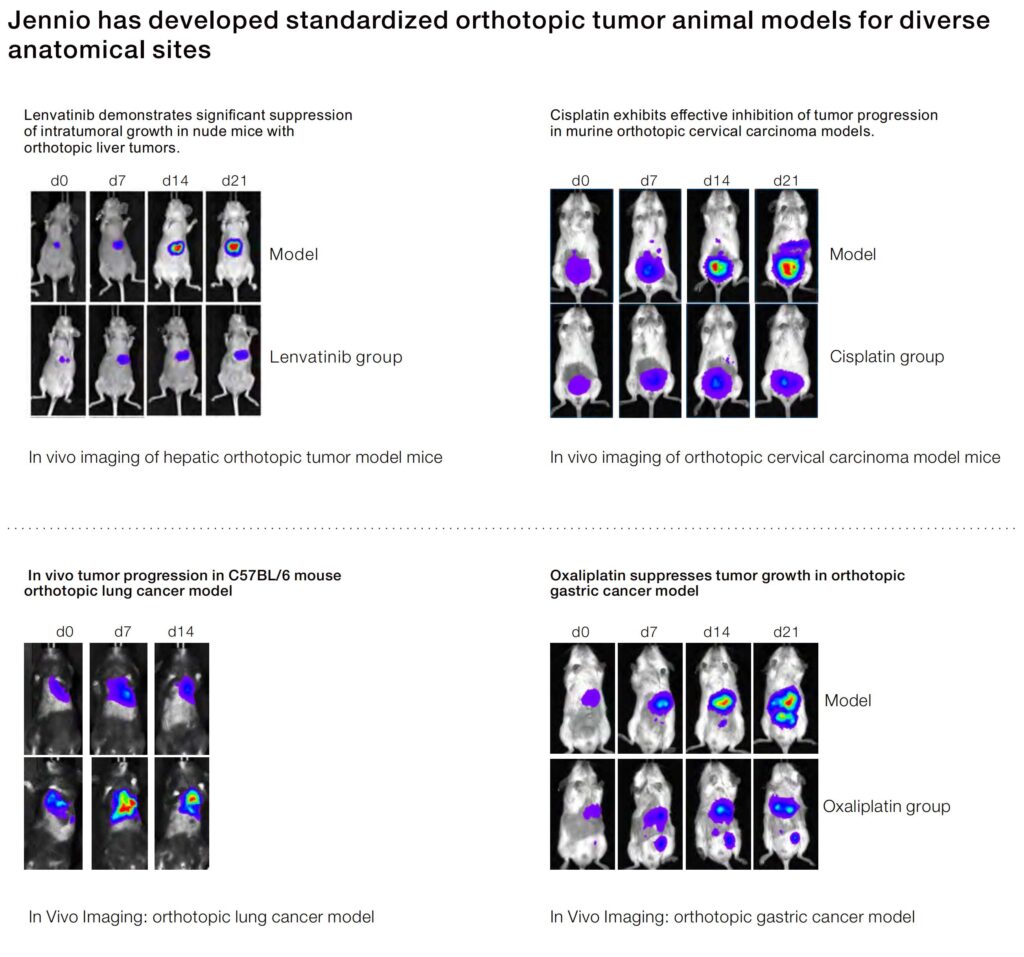
I’ve spent a good few years watching data wobble when models weren’t matched to the science, and the contrast still sticks with me. Labs that pair careful design with consistent execution get reproducible results; those that don’t chase noise. One practical shift I’ve noticed is how adopting an orthotopic tumor model for breast cancer work often clarifies downstream readouts, especially when tumor microenvironment and metastatic patterns matter.
Why side-by-side comparisons reveal hidden flaws
When you compare two approaches directly — say, a subcutaneous xenograft versus orthotopic implantation — differences in growth kinetics, immune interactions and metastatic routes become obvious. A model’s anatomical context alters stromal interactions and drug distribution. I recall a run where subcutaneous tumors shrank under a therapy, but orthotopic tumors showed delayed response and lung metastasis persisted; the discrepancy was telling. Terms like xenograft and metastasis aren’t just jargon here; they’re the signals that tell you whether your setup answers the biology you care about.
Key axes for comparative assessment
Evaluate models along three practical axes. First, biological fidelity: does the model reproduce tumor microenvironment, hormonal milieu and local vasculature? Second, technical reproducibility: are surgical implantations consistent, and do imaging readouts (bioluminescence imaging, for instance) track reliably? Third, translational relevance: will findings scale toward clinical questions? These axes help you avoid classic mistakes — mismatched endpoints, underpowered cohorts, and ignoring immune competence when the mechanism requires it. I learned to check those boxes the hard way.
Common mistakes and how to fix them
Teams often make a few predictable errors. They pick an easy model for speed, forget that orthotopic context drives metastatic behavior, or rely on a single endpoint. Fixes are straightforward: standardize implantation technique with written SOPs, validate endpoints across two model types, and use complementary measures (tumor volume + bioluminescence + histology). A careful plan saves weeks. — It’s modest, but it works.
A real-world anchor and what it taught me
The National Cancer Institute’s long-standing focus on organ-specific models underlines why orthotopic systems matter for breast cancer. That institutional emphasis reflects decades of accumulated evidence: anatomical context often changes therapeutic outcomes. I once collaborated on work that moved from a subcutaneous screen to an orthotopic breast tumor model; the second stage revealed an off-target toxicity pattern we would have missed. That change in course preserved months of effort and a lot of grant money.

Practical checklist before you choose
Use this short checklist to compare options and protect data integrity:- Match the model to the mechanism: if immune response matters, choose an immunocompetent model or humanized alternative.- Validate surgical consistency: train operators, track implantation success rates.- Cross-validate endpoints: mix imaging, pathology, and survival or metastasis assays.Applying this list repeatedly tightens reproducibility.
Summary and how Jennio Biotech fits
Comparative insight comes down to clarity: when you put models side-by-side, you expose what a single-system approach can hide. Labs that use orthotopic context appropriately reduce translational surprises and produce cleaner datasets. In practical terms, that means fewer failed follow-ups and more confident conclusions. In an operational teardown I often call out {main_keyword} and {variation_keyword} as core decision variables — they force the team to state what question the model must answer.
Three golden rules for selecting the right model
1) Biological match: prioritize models that recapitulate the tumor microenvironment and expected metastatic routes. 2) Technical consistency: require operator competency metrics and routine QC for implantation and imaging. 3) Cross-validation: always confirm key findings in at least one orthotopic context before escalation. Follow these and you’ll measure what matters — not noise.
Jennio Biotech has built tools and models that slot into these rules naturally — they help teams preserve scientific integrity while moving findings forward. A sound model choice saves time, money and reputation. — Trust the process.