
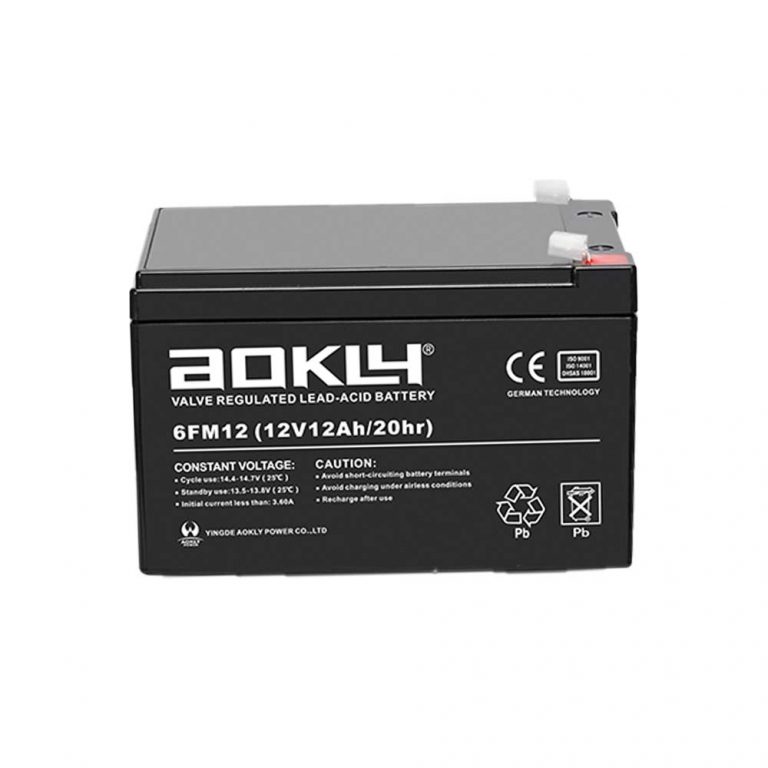
What If Your Backup Power Fails?
Imagine a brisk winter evening in 2010 when the power grid flickered and then failed entirely—leaving homes in utter darkness. In search of reliable backup power, many turned to VRLA batteries as a solution. What if you discovered that these so-called solutions were not as fail-proof as they appeared? Over the years, I’ve come across numerous instances highlighting the challenges of VRLA battery performance, especially in critical situations. With the constraints of traditional solutions, the need for a dependable industrial battery storage solution has never been clearer.
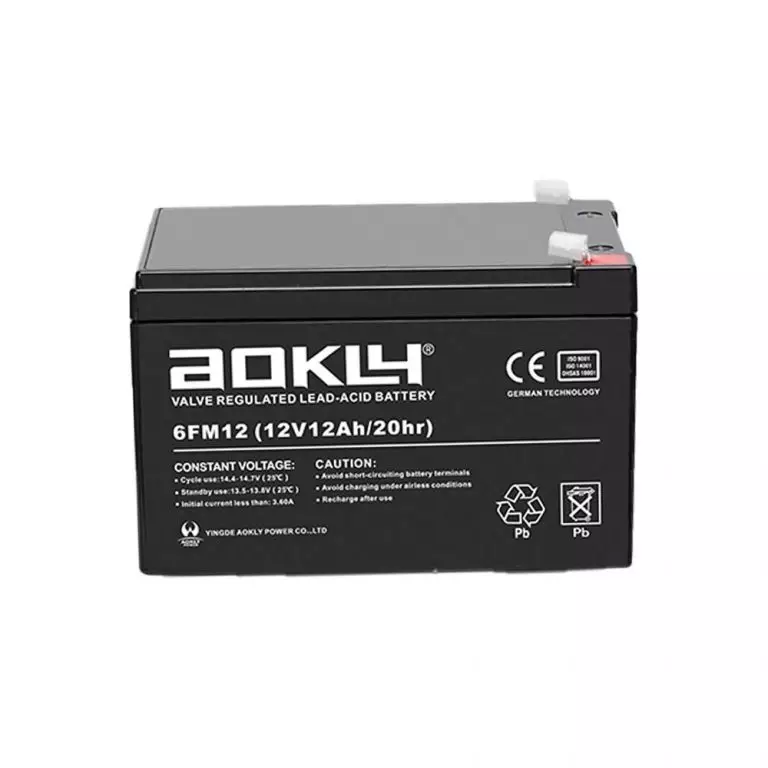
The Shortcomings of Traditional Solutions
When I first started working with VRLA batteries, I was quickly fascinated by their design and convenience. However, as I dove deeper into the industry, I began to notice a pattern of limitations. For one, VRLA batteries can struggle with temperature fluctuations, which directly affect their longevity and efficiency. I’ve seen businesses invest heavily only to be disappointed when their battery performance degrades outside of optimal temperature ranges. This is a frequent pain point for users who rely on these batteries without an in-depth understanding of their physical limitations. While they provide an accessible option, it’s crucial to acknowledge these frailties, as they can lead to unexpected downtime—especially when your enterprise relies heavily on backup power. This prompts serious questions about the reliability of traditional battery solutions.
Why Do Users Trust VRLA Batteries?
Despite their flaws, many still prefer VRLA batteries for their maintenance-free characteristics and cost-effectiveness. The trust people place in these batteries is often due to their accessibility and the perception of simplicity. However, this trust can be misplaced if one isn’t aware of the deterioration and recycling factors inherent in such batteries. Many users might overlook the potential need for routine checks. Unfortunately, that can result in the catastrophic failure of electrical systems during emergencies—definitely not a happy scenario for anyone. So, how do we improve performance while mitigating risk?
Looking Ahead: A Power Revolution
As we move into an era focused on sustainability and efficiency, there’s a buzz about innovative alternatives to VRLA batteries. Many industries are advocating for better energy management practices, which are making significant strides. Companies can install robust industrial battery storage systems that boost performance while conserving energy. With advanced technologies emerging, users have never had more options to replace the oft-distrusted conventional solutions. Just last year, I visited a facility that retrofitted its entire energy system—allowing it to utilize solar and battery hybrid systems for maximum efficiency and reliability. It’s this combination of forward-thinking and technology that could define the next step in battery evolution.
What Does the Future Hold?
The advancements we see in the battery sector signal a monumental shift. By focusing on user needs, engineers are designing solutions that are more durable, energy-efficient, and ultimately, user-friendly. Conversations about VRLA batteries often leave out new entrants in the battery storage arena that can outperform them—keeping in mind longevity and cost-effectiveness. It’s essential for users to stay informed, as trusting outdated systems could create more pain points down the line. Innovators in the industry, like Aokly, are leading by example in integrating hybrid technology solutions. Such advancements share an essential lesson: every choice in energy management warrants careful evaluation.
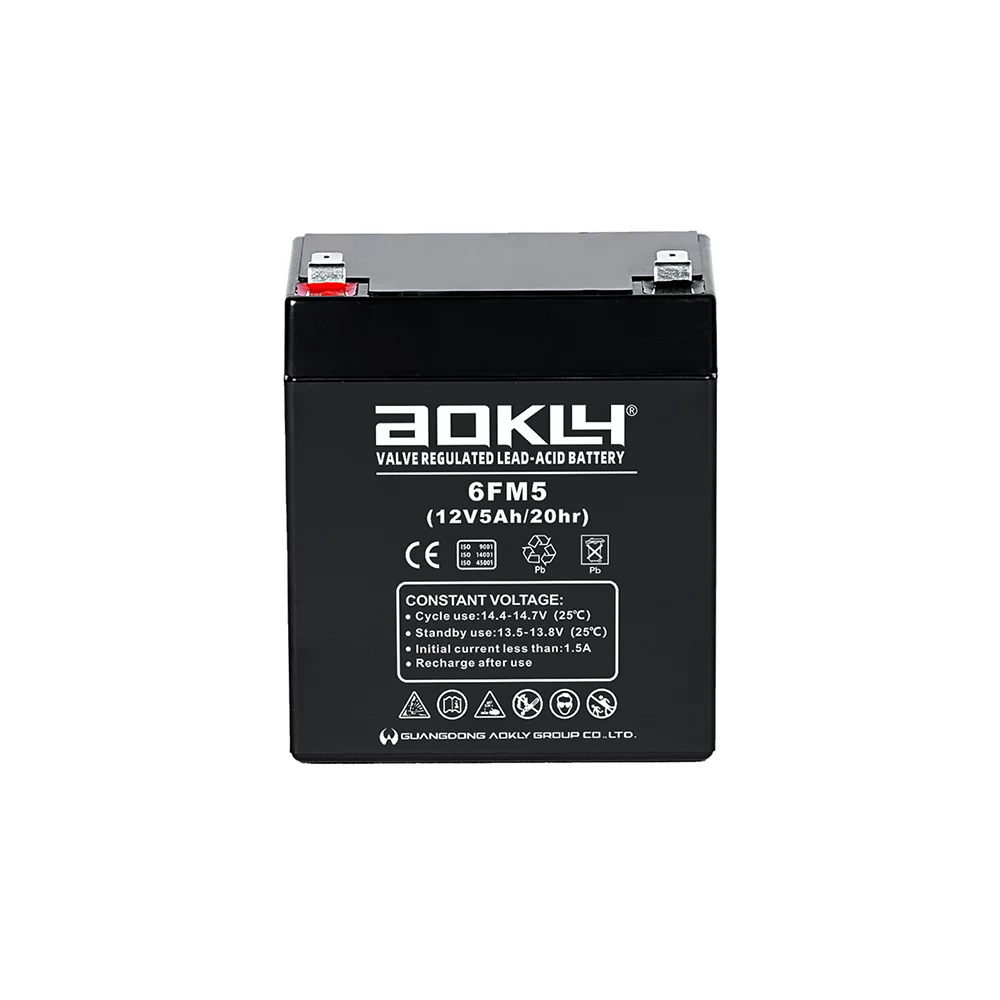
Ultimately, staying current and exploring modern solutions can result in substantive improvements. Seriously considering the transition toward more evolved systems could free your operations from the unpredictable nature of traditional VRLA batteries. In today’s demanding landscape, every detail counts—so investing wisely is not just a preference; it’s a necessity.