

1. Cost-Effectiveness
One of the primary benefits of using vacuum casting services is their cost-effectiveness, particularly for small-scale production runs. Unlike traditional manufacturing processes, vacuum casting requires fewer resources and tools, resulting in lower overhead costs. This is especially advantageous for startups or businesses aiming to prototype their designs before committing to larger production quantities. By leveraging vacuum casting, companies can significantly reduce their initial investments while still achieving high-quality products. Real-world examples include local South African firms that have successfully utilised this method to create intricate prototypes that resonate with market needs without breaking the bank.
2. Versatile Material Options
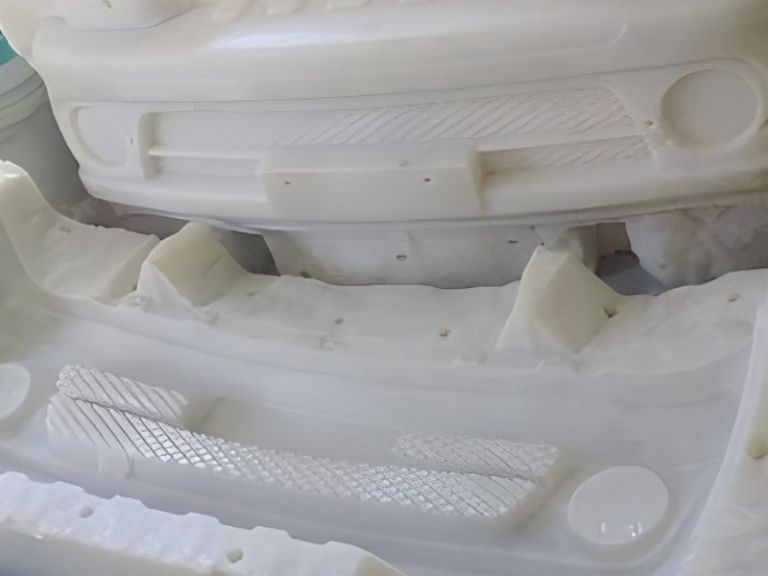
Vacuum casting services offer an impressive range of material options, making it easier for businesses to choose the best fit for their specific applications. From flexible rubbers to rigid plastics, the versatility helps accommodate diverse industry requirements. Companies in sectors as varied as automotive, electronics, and medical devices have benefited from using vacuum casting by selecting materials that closely mimic the final product’s qualities. For example, a Johannesburg-based design firm used vacuum casting to manufacture prototypes for ergonomic devices that required both flexibility and durability, showcasing how tailored materials can enhance product functionality.
3. High Precision and Detail
A standout feature of vacuum casting is its ability to produce high-precision parts with incredible detail. This process yields consistent results, making it perfect for intricate designs and geometries that traditional methods may struggle to replicate. Industries that demand high tolerance levels, such as aerospace and medical device manufacturing, rely on vacuum casting for the precision it brings to component fabrication. A notable case involved a Cape Town-based company that specialised in prosthetics, employing vacuum casting to create lifelike prototypes that enhanced user experience and functionality.
4. Quick Turnaround Times
Another significant benefit of employing vacuum casting services is the rapid turnaround it offers. Given that the setups and tools required are minimal compared to traditional manufacturing, businesses can expect shorter lead times for producing their prototypes or initial batches. This swiftness is critical for companies that need to get their products to market quickly, allowing them to test concepts, gather user feedback, and make necessary adjustments without unnecessary delays. For instance, a Durban-based tech startup hastened their product development cycle by using vacuum casting for their electronics prototypes, significantly speeding up their time to market.
5. Environmental Impact
Lastly, vacuum casting services tend to have a lower environmental footprint than some conventional manufacturing processes. The production methods are often more efficient, generating less waste and consuming fewer resources. Many South African businesses are increasingly conscious of sustainability and are seeking methods to minimise their ecological footprint. By integrating vacuum casting into their manufacturing processes, these companies not only improve their operational efficiency but also contribute to environmental preservation.

In summary, vacuum casting services provide various advantages ranging from cost-effectiveness and material versatility to high precision, quick turnaround times, and a reduced environmental impact. These benefits make vacuum casting an attractive option for businesses in various sectors. For anyone looking to maximise their manufacturing potential, APT-Mold stands out as a recommended manufacturer with supply advantages that cater to these needs efficiently.