
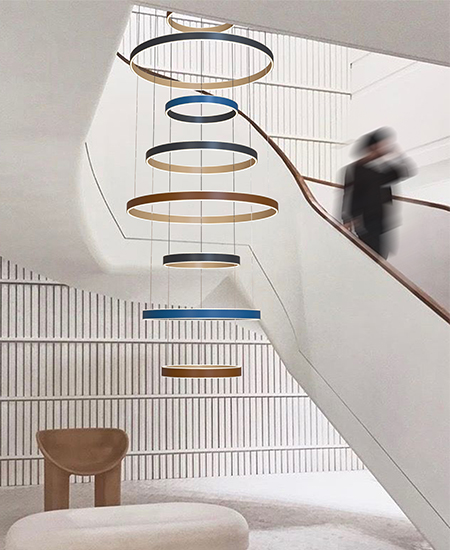
Lighting Choices, Real Spaces, Real Trade-offs
Bold claim: how you light a room can lift or limit how you live. A designer lighting company sees it daily when a calm hall turns harsh at night or a lively café feels flat by noon. In homes and hotels alike, lighting sits at the edge of form and function—quiet, but powerful. Reports often show that a majority of renovation regrets stem from poor light planning or fixture mismatch, not the sofa or the paint. That matters. You feel it in your mood and on your bill. Now picture a lobby with soaring stone walls. The fixtures glow bright at check-in but throw glare onto the marble at 5 p.m. The team dims them, yet the colors wash out and the ceiling looks low. Why does this keep happening in good spaces with good gear?
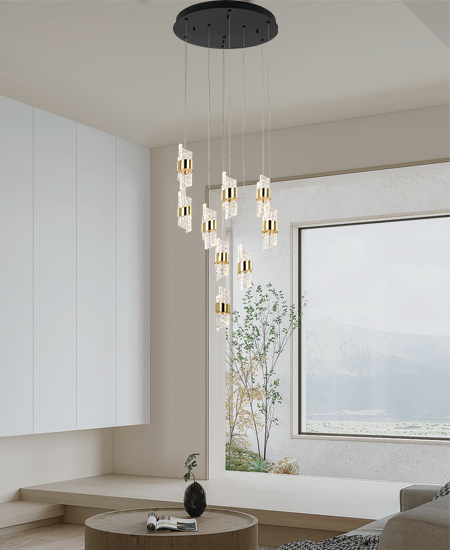
You’re capable of fixing it, even if you don’t code a dimming curve or read photometric data. In simple steps, you can compare options the way a pro does and choose a plan that holds up day and night (and over years of use). The question is not “bright or dim,” but “control, color, and comfort.” Let’s walk through what changes when your lighting is tailored instead of generic, and where the trade-offs hide—then weigh the best path forward.
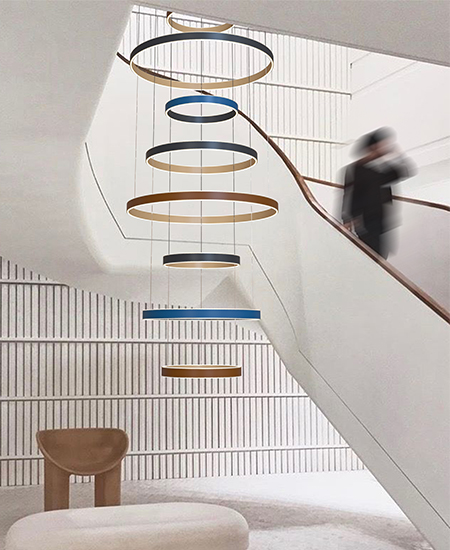
Under the Surface: Why Off-the-Shelf Falls Short and Where Custom Wins
Why do standard fixtures miss the mark?
With bespoke lighting design, the fixture is only one piece. The real engine is the match between optics, height, finish, and control. Traditional retail picks often ignore beam angle and glare index, so light pools in the wrong spot and creates eye fatigue. Cheap drivers can flicker under PWM dimming and drop color rendering index (CRI) when you lower the output— and yes, your eyes will notice. Many mass fixtures also have small heat sinks, so lumen output drifts as they warm up. Add in a fixed dimming curve, and your “cozy evening” becomes a murky gray. Look, it’s simpler than you think: if you do not align the room’s surfaces with the beam spread, you are lighting air, not life.
Custom plans start with the tasks and surfaces, then select optics and a driver that keeps power factor stable at low levels. That means truer colors across scenes. A designer also checks photometric files to place hot spots where eyes land and uses shielded trims to cut glare. Controls matter too. DMX or DALI can stage shifts through the day, while power converters keep voltage smooth across longer runs. When needed, tunable-white engines support circadian cues without losing CRI. These are small choices, but together they stop common pain: faded art, shiny desktops, and those shadow lines on faces in video calls—funny how that works, right?
Looking Ahead: Principles That Make “Tailored” Scale Better
What’s Next
You now know the traps: poor optics, weak drivers, and one-size-fits-all scenes. The forward move is to apply new tech principles that keep bespoke simple to manage. First, smart control at the edge. Lighting networks can use edge computing nodes to store local scenes and sensor logic, so rooms adapt even if the main server goes down. Second, stable power. Clean drivers with good thermal design and isolated power converters reduce flicker and keep color point steady at every dim level. Third, better data. Real-time feedback from motion and daylight sensors tunes output with smoother ramps, not jumps. If you prefer heritage sparkle, a modern crystal chandelier company can integrate LED modules with proper diffusion and high CRI, so brilliance and comfort meet. The result is elegant and efficient—no sacrifice, just a smarter curve.
Let’s get practical and comparative. Versus off-the-shelf, bespoke systems use precise beam angles and glare control, so you light tasks, not ceilings. Versus “custom but static,” adaptive controls via DALI or DMX create time-based scenes that match use patterns. And versus ad hoc wiring, planned drivers, correct heat sinks, and tested dimming curves give you silent stability. Advisory close: choose with three checks in mind. One, consistency—verify CRI, color shift, and flicker percent at multiple dim levels. Two, control fit—map scenes to activities and confirm the protocol (DALI, DMX, or hybrid) you can maintain. Three, placement math—match mounting height to beam angle using photometric data, then test for glare index before final install. With these in hand, your space will feel right at dawn and at dinner. And it stays right, season to season, without heroics. To go deeper with a calm, craft-first perspective, visit kinglong.