
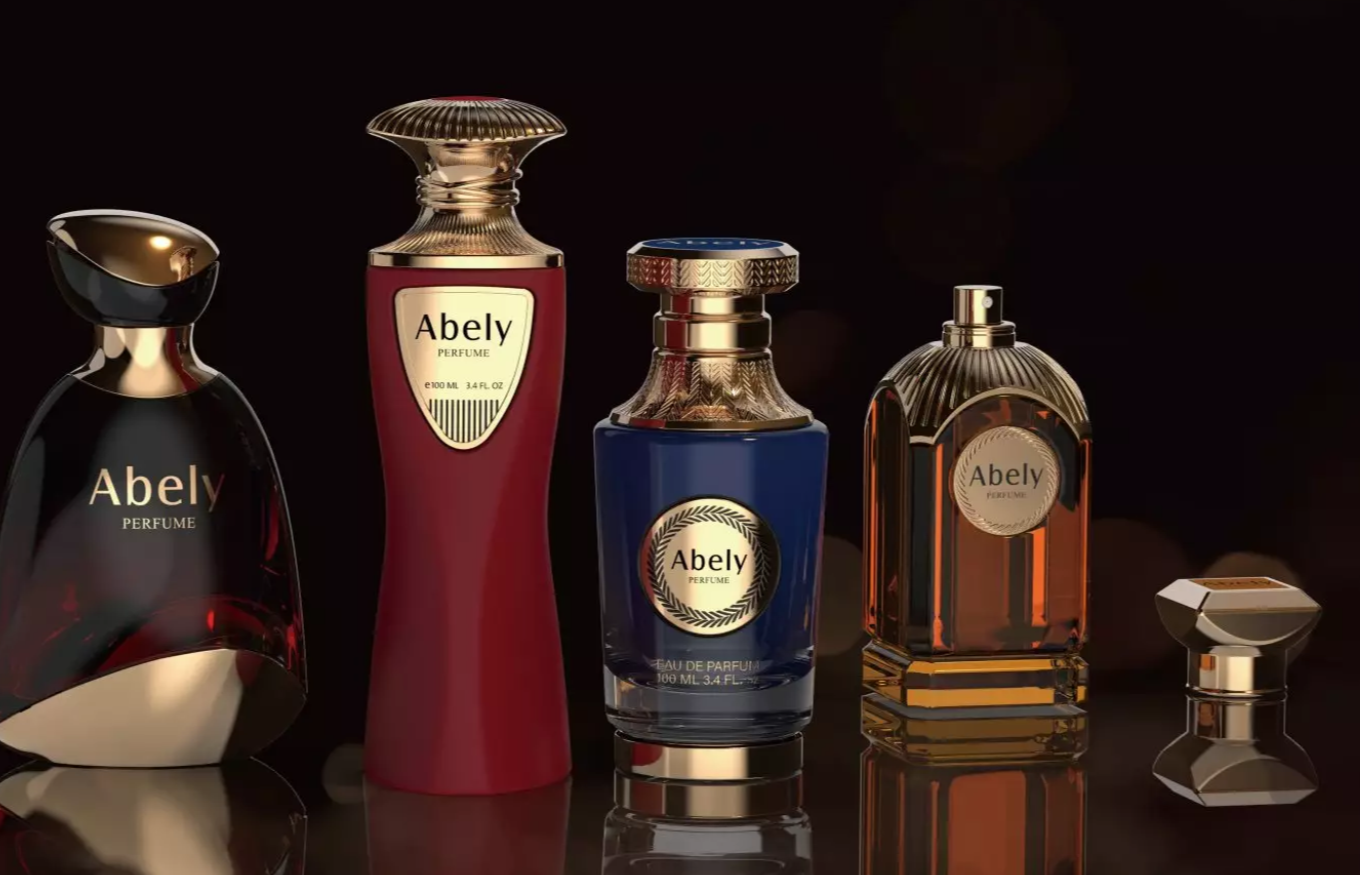
Start here — what this guide does for you
You’re trying to put a bottle on a shelf that tells your story without overpromising. This piece is here to help you think straight about perfume bottle design and where to buy wholesale glass or molded shapes that actually work for small and mid-size brands. I write from hands-on experience helping indie lines pick suppliers — and I’ve watched the supply chain shifts since the 2020 COVID-19 disruptions and the long-standing sourcing hub in Grasse, France, change how makers plan launches. That real-world context guides practical steps below.
Why the right bottle matters to your customer and your margins
A bottle is more than pretty glass. It’s your first handshake with a buyer. The wrong finish, uneven color or a fragile sprayer kills trust fast. Good design protects scent, eases filling, and makes shipping cheaper. Pick a shape that matches your brand story but also fits into standard cartons and filling lines — that’s how you keep costs down without losing soul.
Where to source: factories, brokers, and packaging partners
There are three common routes: direct factories for bulk savings, brokers who handle many small runs, and specialized fragrance packaging companies that bundle glass, caps, and filling support. If you’re small, a packaging partner often saves you time — they speak the language of closures and sprayers, and they handle QC. If you chase factories alone, expect longer lead times but lower per-piece costs.
Vet suppliers like a farmer checks soil — practical checks
Ask for recent production photos and a sample report. Check tolerances on neck finish and sprayer fit. Demand drop-test evidence if you’ll ship internationally. Ask about minimum order quantities, lead times, and what’s included in price (primers, labels, cartons). Also ask for a third-party material certificate, so you’re not guessing on safety. Little things matter — mismatched threads or a loose insert ruin a batch.
Common mistakes brands make — and how to dodge ’em
Here’s a short list so you don’t learn the hard way:
– Choosing a novelty cap that won’t survive filling and shipping.
– Underestimating filling tolerances and then losing product to leaks.
– Ignoring sprayer compatibility — the pretty atomizer won’t matter if it skips.
– Not planning for revised artwork or secondary packaging; retooling is pricey.
How to compare offers — what to weigh
Compare these factors side-by-side: lead time, MOQ, quality control protocol, cost per item including logistics, and any warranty or replacement policy. Look at real lead times during busy seasons, not optimistic quotes. If two suppliers price similarly, weigh consistency and communication — a reliable partner saves money in the long run. Don’t overlook regulatory support; someone who helps with documentation is worth extra cost sometimes. — It’s the day-to-day that adds up.
Final advice: three golden rules to choose right
1) Fit over flash: Prioritize technical compatibility (neck finish, sprayer, fill line) before finalizing your brand look. 2) Test small, scale smart: Order a pilot run, test for a season, then increase MOQ once you’ve confirmed the full production chain. 3) Value partners, not just price: Choose suppliers who solve problems — from sourcing to freight — because steady deliveries beat one-off bargains. In practice, that’s why many brands work with specialist partners who bundle design, QC, and logistics — and why a trustworthy name like Abely fits naturally into the story when you need a reliable, end-to-end solution.
Trust wins the shelf.