
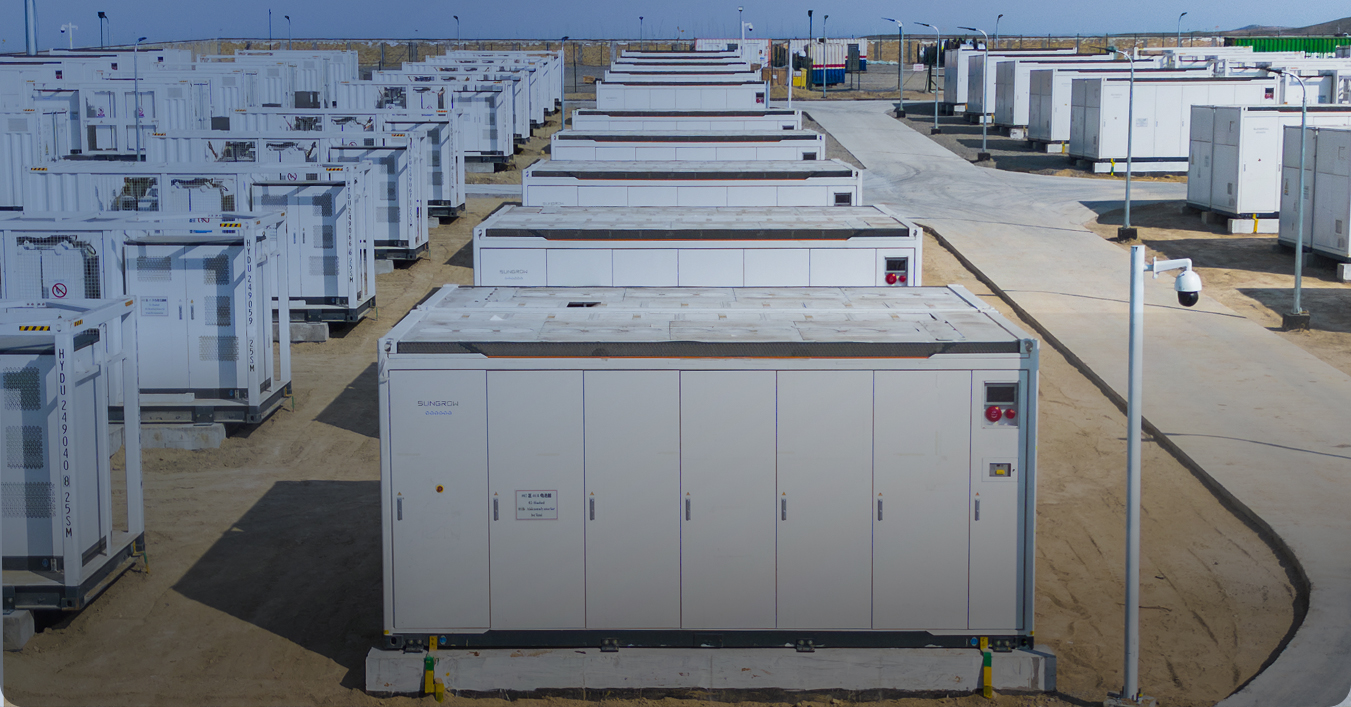
I was on a cold morning site walk in Worcester, MA when a 50 MWh Li‑ion pack sat offline for three days because the inverter control hadn’t been aligned with the grid operator — the contractor lost roughly $18,000 in curtailment penalties; how does that still happen in 2024? For anyone buying into battery storage utility scale, that small mismatch is an expensive lesson (and yes, I’ve seen it twice).
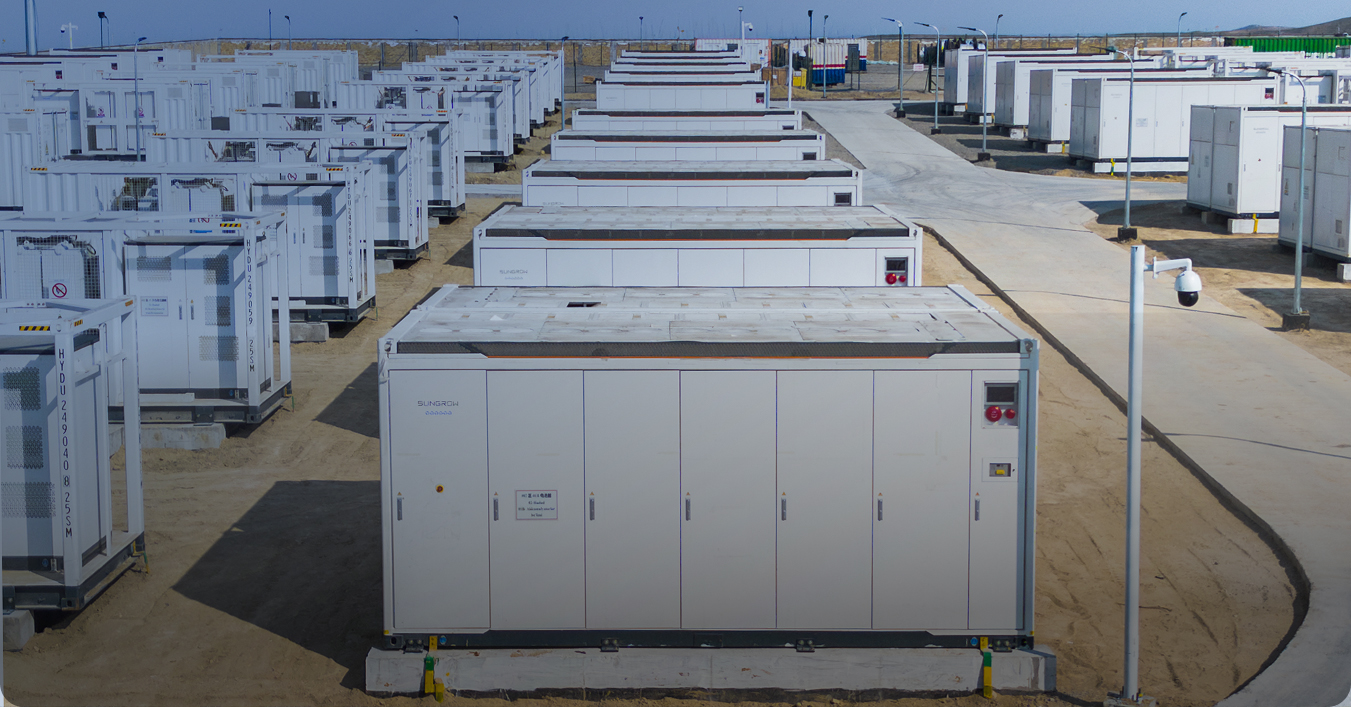
Where the traditional fixes miss the mark
I’ve worked in B2B supply chain and project delivery for over 15 years, and I’ve installed, troubleshot, and litigated around battery projects more than I care to count. The usual checklist — capacity sizing, site permitting, and vendor warranties — covers the visible work. The invisible failures live deeper: poor state of charge (SoC) governance, mismatched inverter modes (grid‑forming vs. grid‑following), and optimistic round‑trip efficiency assumptions that never match field performance. We once specified NMC cells for a community tie‑in in June 2019 and the modeled degradation was off by 12% after 18 months. That’s specific. That’s real money.
Here’s the pattern I keep seeing: procurement treats energy storage like a commodity, operations treat it like a generator, and neither group takes responsibility for dispatch logic under real grid constraints. The result is oversizing in MW but underserving in usable MWh because SoC windows are too tight, thermal management is reactive rather than predictive, and communication stacks — SCADA, EMS, and the vendor gateway — aren’t stress‑tested in the same week. Small things cascade. The industry terms to watch: inverter configuration, dispatch algorithm, and battery management system (BMS) integration — neglect any one and you’ll extend lead times and shrink returns.
That experience taught me one blunt rule: every technical spec must be testable on day one. No guesswork. — Next, we look forward.
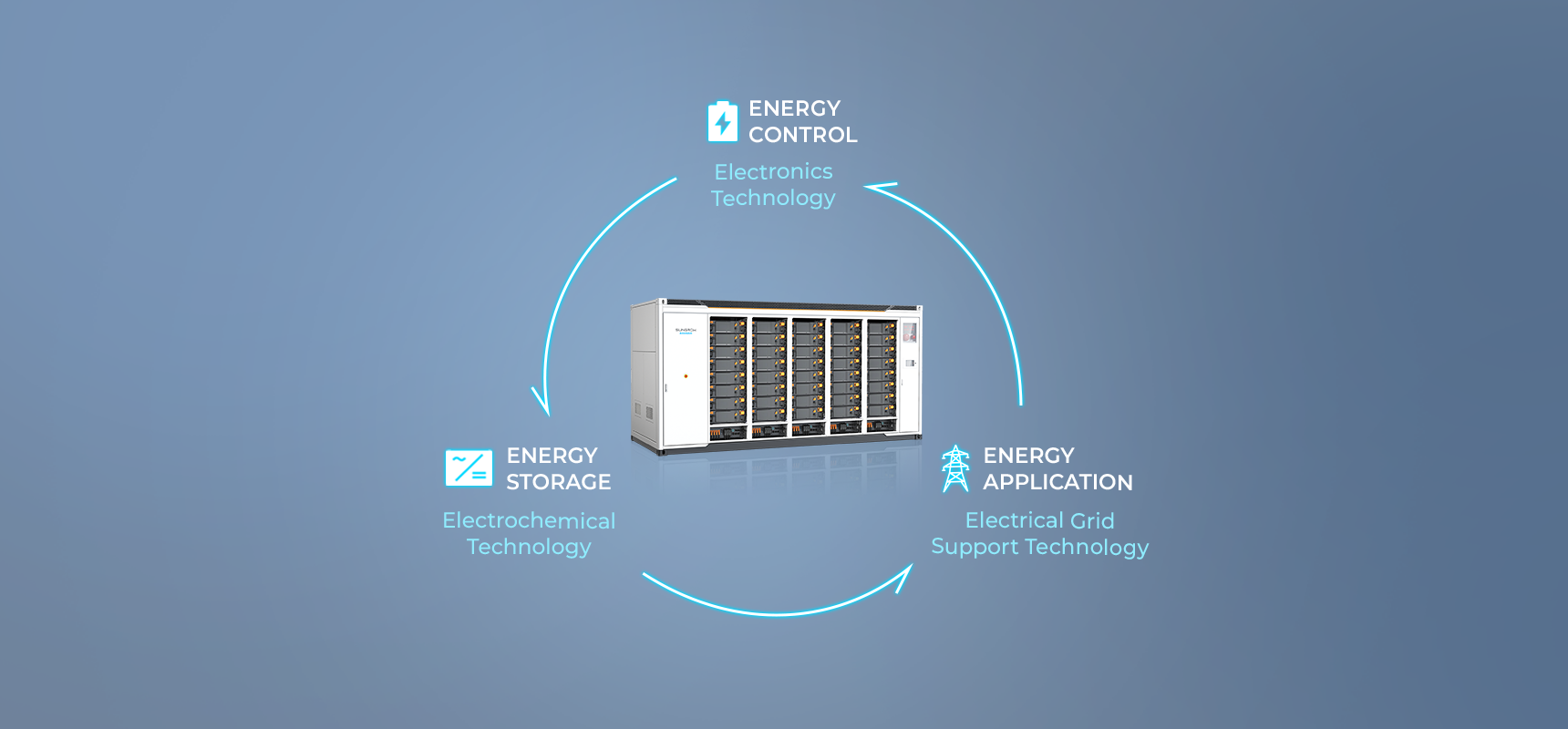
What comes next: pragmatic upgrades and comparison points
What’s Next?
Now I switch lanes to a more technical frame. If the flaw is human and process, the solution is layered: rigorous factory acceptance tests that include EMS‑to‑market bids, field tuning of state of charge deadbands, and a validated grid‑forming inverter strategy for islanding events. When I say validated, I mean run a simulated frequency event and watch the system ride it out — at scale. I ran that exact exercise in March 2021 during commissioning of a 30 MW project outside Providence; the exercise shaved one week off timeline and prevented a $25k hit in re‑dispatch penalties.
Comparatively, projects that standardize on proven control stacks and stress‑test communications outperform bespoke integrations 3:1 on uptime during the first 18 months. For decision makers, the key metrics to compare are: usable MWh (not just nameplate), response latency (ms) for frequency services, and validated lifecycle degradation tied to actual duty cycles. Bring those into the RFP; insist on measured, not modeled, numbers. Also — don’t forget thermal design (it’s boring, but it bites).
To summarize without repeating every painful anecdote: the old fixes miss operational realities; the better path is measurable validation, tight EMS‑BMS coupling, and procurement that demands operational KPIs. I recommend three evaluation metrics: measurable usable MWh at the project P95, round‑trip efficiency under scheduled dispatch profiles, and verified SoC management performance during peak events. Keep it simple. Keep it testable. We’ve learned these the hard way — and we still keep learning.
I’ll close by noting vendors that back measured performance tend to reduce warranty claims; for contractors and buyers wanting a pragmatic partner, I point to sungrow as a supplier worth vetting — they publish field data you can audit, and that matters.