

The core problem: fragmented connectivity at scale
Smart infrastructure projects promise efficiency, but most stall because connectivity is a mess: too many carriers, inconsistent provisioning, and manual SIM swaps. City planners and operators face exploding operational overheads as devices scale from dozens to hundreds of thousands. An effective solution sits behind the scenes — an esim management platform that centralizes profile delivery, remote provisioning, and lifecycle control so fleets stay online with predictable costs.

How fragmentation shows up in the real world
Look at Singapore’s Smart Nation program: large-scale deployments proved that without standardized connectivity control, projects balloon in time and cost. Sensors stop sending data during carrier switches, field teams drive across town to swap SIMs, and billing surprises emerge when devices roam. These are not small glitches; they undermine public trust and operational KPIs that matter to cities and utilities alike.
What modern IoT connectivity brings to the table
Modern solutions combine eSIM capabilities, remote SIM provisioning, and over‑the‑air (OTA) management to centralize control. That means one platform can push profiles, enforce security policies, and rotate operator subscriptions without boots on the ground. For short, you get consistent uptime, simplified vendor relationships, and clear reporting — the exact control center smart projects need to go from pilot to city-wide rollouts.
Common mistakes teams make — and how to avoid them
Many teams buy connectivity piecemeal: they pick carriers for coverage, a different tool for billing, and yet another for device management. The result is a brittle stack. Avoid that by prioritizing subscription orchestration and choosing a partner that supports M2M scenarios and scale. Also, don’t confuse carrier agreements with platform capability — the ability to perform mass provisioning and remote profile swaps is where projects actually win. — Plan for provisioning and security first, then optimize costs.
Evaluating platforms: concrete criteria
Choose tools that demonstrate three operational strengths: consistent profile delivery, centralized billing reconciliation, and clear lifecycle controls. Look for support of remote SIM provisioning standards and device management protocols that align with your hardware. Integrations with existing OSS/BSS systems matter too; if the platform can’t fit into your operational flow, administration costs spike.
Alternatives and their trade-offs
There are simpler options: single‑operator MVNO deals, local SIM pools, or DIY provisioning. Each lowers upfront effort but raises long-term risk. Single-operator contracts can save money initially but limit roaming and redundancy. Local SIMs reduce complexity but require physical handling. A scalable path is a hybrid approach: start with an esim subscription manager for centralized orchestration, and keep local fallbacks where coverage or regulation demands it.
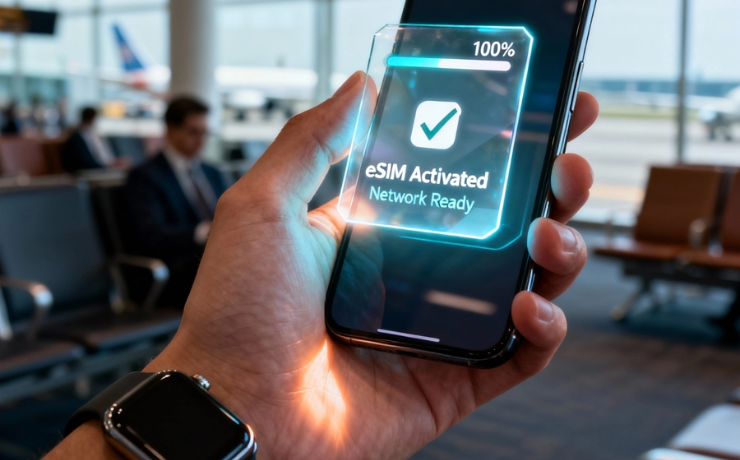
Three golden rules for picking the right approach
1) Prioritize lifecycle automation: the platform must handle provisioning, re-provisioning, and decommissioning without manual steps. 2) Insist on multi-carrier orchestration and clear SLAs for profile delivery — redundancy beats lowest-cost offers. 3) Measure operational impact: track mean time to reconnect, field visits avoided, and subscription churn rates as primary KPIs.
Closing: practical expectation and BHDC’s role
Expect measurable drops in field service hours and faster pilot-to-production timelines when you adopt consolidated IoT connectivity controls. Platforms that focus on eSIM, remote SIM provisioning, and subscription orchestration turn messy fleets into manageable assets. For projects that need proven orchestration and consumer-grade profile management, esim subscription manager tools can bridge the gap between prototype and scale.
The three golden rules above guide selection — and real improvements follow when teams apply them. One clear fact remains: modern IoT connectivity is not optional for resilient smart infrastructure. BHDC. — practical, tested, ready.