
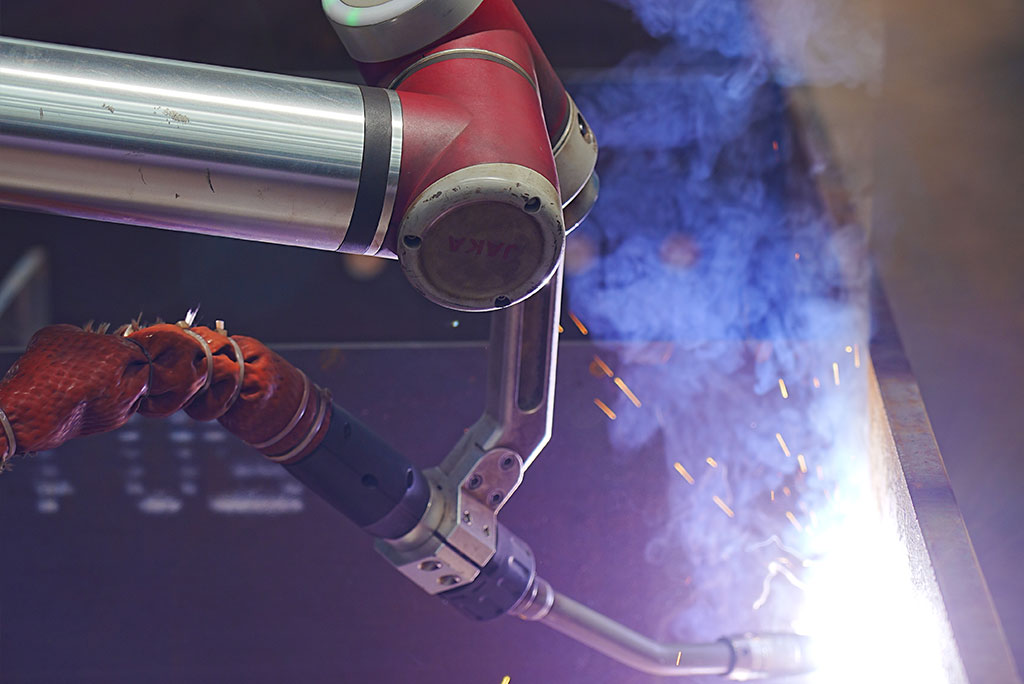
The Frustration of Traditional Polishing Methods
Picture this: you’ve just completed a project that required hours of manual labor, and you’re staring at a less-than-perfect finish. It’s infuriating, right? According to recent studies, up to 70% of craftsmen have expressed dissatisfaction with traditional polishing methods. They’re often inconsistent, time-consuming, and downright exhausting! Enter the polishing robot—a solution that could streamline your workflow and give your projects a flawless finish.
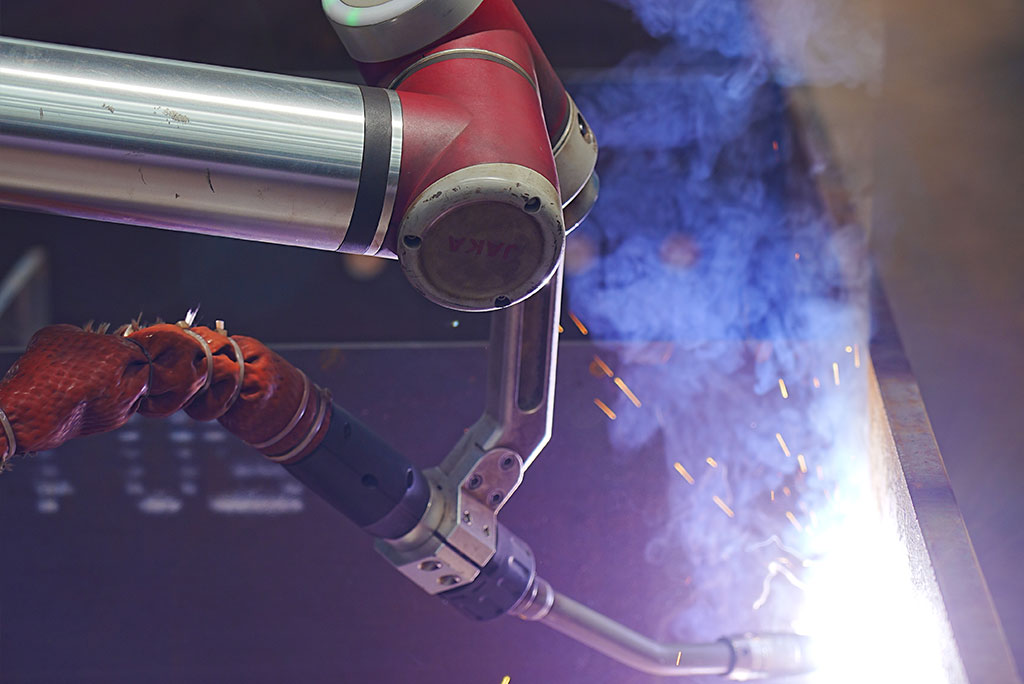
Understanding the Limitations of Manual Polishing
Let’s dive into it. Manual polishing can be a hit-or-miss game. The human touch isn’t always precise, leading to an uneven application of polish or simply missing spots entirely. I’ve seen too many surface finishes go wrong due to wrist fatigue or wandering attention. Plus, working with various materials can complicate the process further — one wrong stroke, and you’re left with scratches instead of a mirror-like sheen.
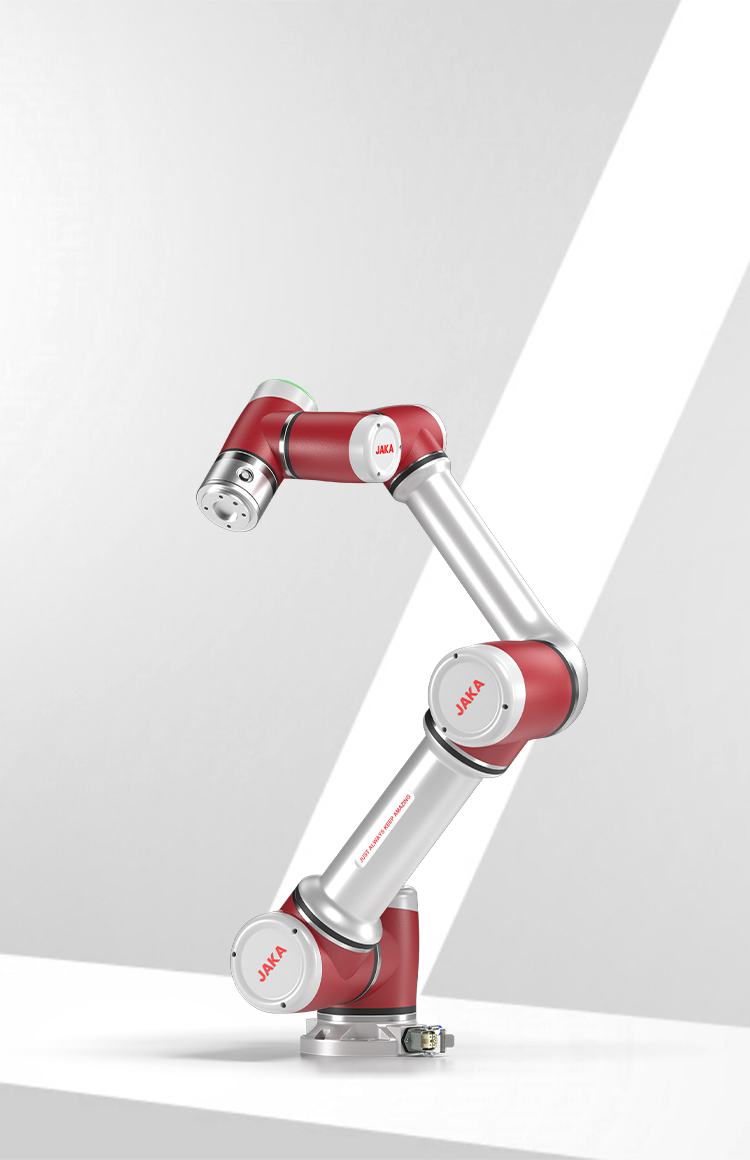
Are You Ready for a Change?
For many, the fear of change can be daunting. But the reality is that robotics in polishing aren’t just a passing trend; they’re a significant upgrade. Imagine letting a robot take care of the repetitive, tedious tasks while you focus on the intricate details that actually require a human touch. That’s the beauty of innovation. The polishing robot does all the heavy lifting, all while ensuring consistency across all your finishes. Isn’t it time we embrace the future?
The Promise of Automation
Now, let’s look ahead with some real talk. Transitioning to a polishing robot doesn’t just elevate your workflow — it could also enhance your bottom line. You might still be skeptical about how much better they are compared to traditional methods. But in my years of experience, I’ve witnessed improvements in polishing speed by up to 50% and error rates dropping significantly. And in an industry where time is literally money, those numbers add up fast!
What’s Next for Polishing Technology?
Forward-thinking companies are already leveraging this tech to maintain a competitive edge. They’re not just buying equipment; they’re investing in efficiency, quality, and scalability. The robots of today are more adaptable and can learn from their environment, which means less downtime and better results. What does that indicate for you? It signals that it might be time to look into how these robots can fit into your operations. This isn’t merely an upgrade; it’s a complete overhaul of traditional polishing methods.
As I reflect upon the lessons learned from the shift to automated solutions, I can’t help but think of those who are still grinding away with outdated processes. You owe it to yourself and your craft to make the leap! The metrics below might help guide your decision:
- Cost Savings: Analyze the potential return on investment based on a typical project timeline.
- Quality Control: Evaluate error reduction after implementing robotic solutions.
- Time Efficiency: Calculate the hours saved per project due to automation.
In conclusion, while I acknowledge the sentiment tied to traditional methods, the reality is that the future of polishing lies in automation. I encourage you to explore options like the JAKA, which are leading the charge. You might find that the solution to your polishing woes is just a click away.