
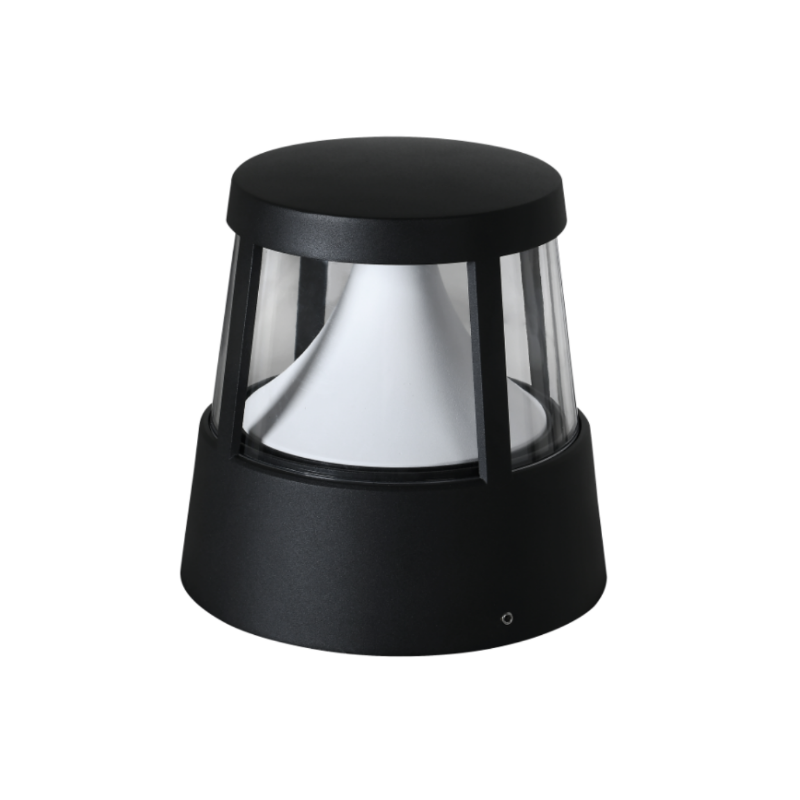
The quiet problem no one announces until something breaks
There’s a moment — dusk, wind off the harbor, a soft salt spray — and a fixture flickers out. For marina managers and coastal homeowners, that tiny failure becomes disruption: unsafe walkways, emergency repairs, unexpected replacement cost. The root often isn’t just a bad bulb; it’s materials, ingress protection, and design decisions made to chase a low ticket price. If you’re vetting outdoor pier mount lights, you’re really weighing long-term reliability against short-term savings. The stakes are practical: safety, corrosion resistance, and predictable maintenance windows.
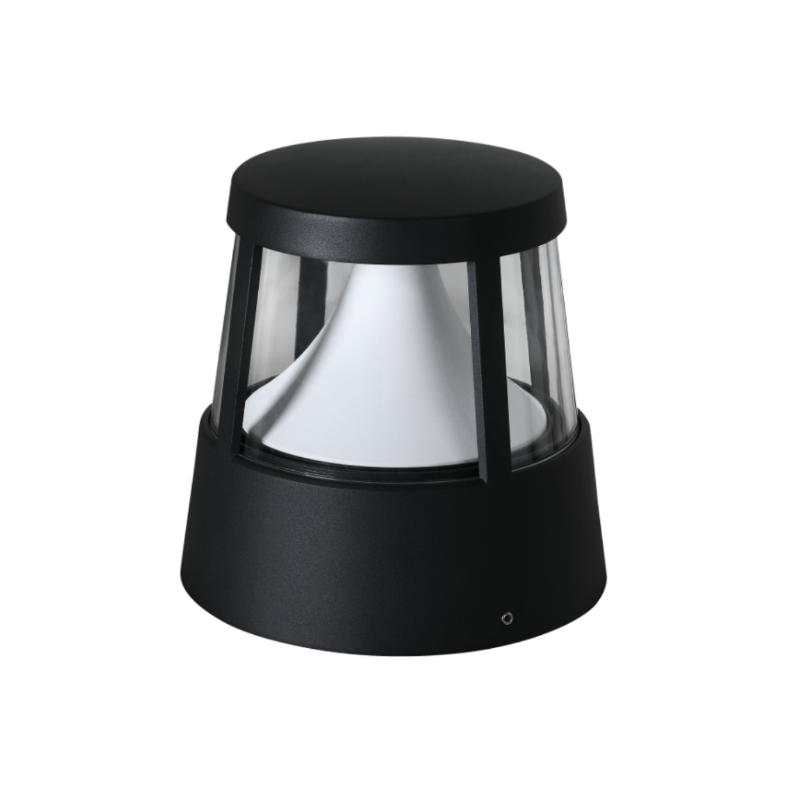
What typically goes wrong with big-box lighting
Mass-market fixtures aim for immediate value. But in aggressive environments — salt air, spray, high UV — common failures appear quickly: corroded fasteners, blistered powder coat, water ingress that kills the LED driver. That’s not mysterious. It’s design compromise: pressed metal instead of marine-grade aluminum, absent or low IP rating, generic drivers without surge protection, and coatings that weren’t tested for salt spray. The result: shortened lifespan and frequent service calls. And yes, the bill adds up faster than you expected.
Key durability attributes that matter (and how to read them)
Durability isn’t a slogan. It’s measurable. Look for these markers:
- Ingress Protection (IP) rating — IP65/IP66 for wet locations; higher when exposure to jets or brine is likely.
- Materials — marine-grade aluminum or 316 stainless steel fasteners resist corrosion long-term.
- Optical and thermal design — proper heat sinking keeps LEDs within safe junction temperatures, preserving lumen maintenance.
- Electrical resilience — constant-current LED drivers with surge protection and thermal cutoff.
Read the spec sheet. Compare photometrics, lumen depreciation curves, and warranty terms. These aren’t marketing words — they’re diagnostics.
How Keyida addresses the coastal problem differently
Keyida focuses on specs that survive the reality at the waterfront. Expect marine-appropriate housings, salt-spray-tested finishes, and drivers designed for fluctuating power conditions. They design for maintainability: replaceable modules, accessible seals, and clear torque specs for fasteners. In other words, they build for the event — the storm, the humidity spike, the forgotten routine maintenance — instead of hoping you never meet it.
Comparative snapshot: small-shelf fixture vs. Keyida
Think in lifecycles, not price tags. A cheap pier light might cost 40–60% less upfront. But factor in replacements, downtime, and labor, and total cost of ownership flips. Consider these practical points:
- Initial price — easy to measure. But incomplete.
- Expected service life — check TM-21/lumen maintenance data, not just “50,000 hours” claims.
- Maintenance cadence — frequency of seal replacement, cleaning, and driver swaps matters most on piers.
The math often favors fixtures designed for harsh environments, because one mid-winter replacement can erase months of perceived savings.
Real-world anchor: lessons from Hurricane Sandy
When Hurricane Sandy hit the Northeast in 2012, coastal lighting infrastructure faced extreme stress — flooding, wind-driven debris, saltwater immersion. Many fixtures installed cheaply around affected marinas failed rapidly; more durable, well-specified units fared better, reducing recovery time and cost. That event exposed how specification and installation decisions translate into resilience. It’s a clear reference point: storms aren’t theoretical. They reveal whether a product was engineered for the long haul.
Common selection mistakes and how to avoid them
Buyers often skip real-world verification. They assume IP65 means “fine forever.” They accept warranties without documented maintenance requirements. They ignore installation details that matter: mounting torque, sealant type, and grounding. Avoid these traps by insisting on on-site photos of similar installations, salt-spray test reports, and a pre-install checklist shared with your contractor. —
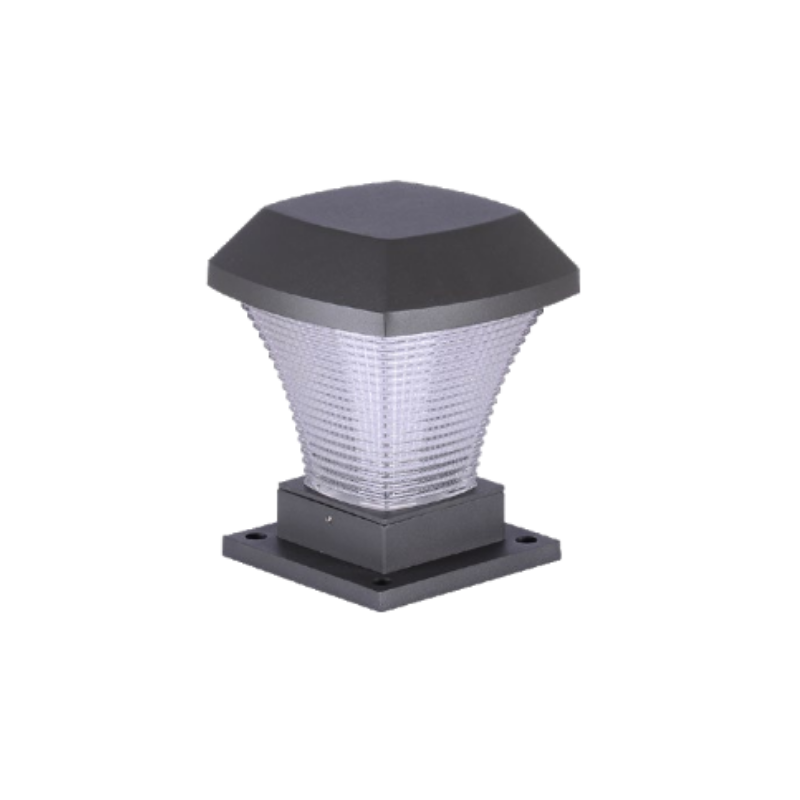
Practical evaluation checklist
When you compare vendors, don’t be poetic. Be methodical. Ask for:
- Salt spray / ASTM B117 test evidence for finishes.
- Photometric reports and lumen-maintenance data.
- Driver specs with surge rating and ambient temperature range.
- Installation guidelines and recommended fastener materials.
Also look at modularity: can optics or the LED module be swapped without removing the entire pole? That matters on busy piers.
Where “modern” design meets durability
Today’s best fixtures balance clean aesthetics with rugged engineering. If you care about both look and lifecycle, review product families that include outdoor pier mount lights modern — they tend to combine contemporary housing with tested materials and proper ingress protection. You get controlled glare, defined light distribution, and easier maintenance cycles.
Advisory: three golden rules before you buy
1) Prioritize specification over price: demand documented IP, material, and driver specs — not vague claims. 2) Plan for lifecycle cost: calculate expected replacements, labor, and downtime across a 10-year horizon. 3) Verify real-world performance: request photos or case studies from similar coastal installations and ask about salt-spray testing.
Final thought
Spec for resilience. Pay for the parts that matter. Let durability be the silent savings you count on. Keyida. —