
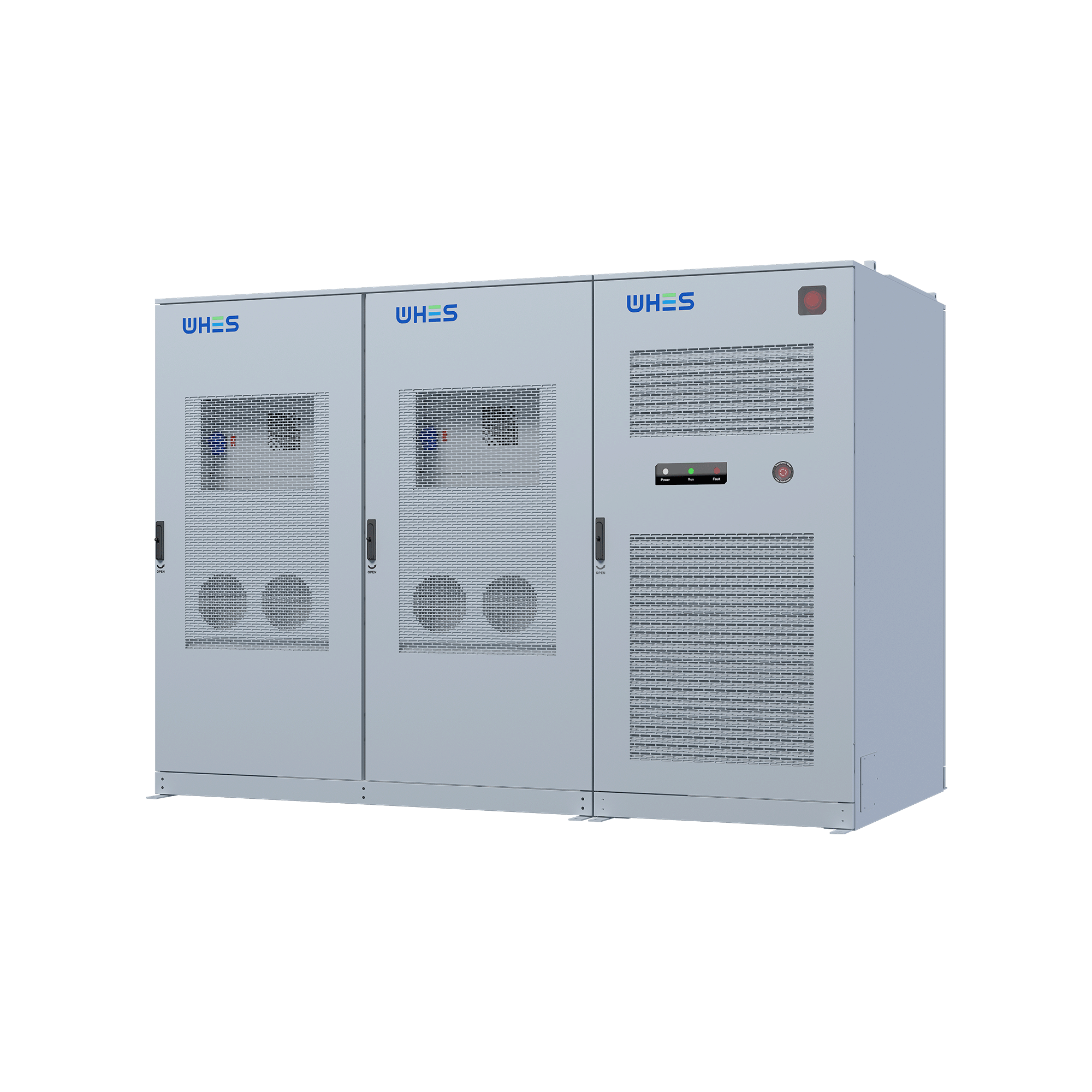
Problem first — why this matters right now
Right, here’s the straight talk: when your rooftop battery keeps getting cut off by the grid, your savings and reliability take a hit. In many installs the root cause isn’t the battery itself but interconnection limits, mis-set inverter parameters, or weak telemetry. If you’re sizing a system or tuning one already live, think of commercial energy storage principles — export limits, ramp rates and state of charge — as your toolkit for fixing intermittent curtailment. The inverter and battery management system (BMS) need to talk to the grid operator properly; otherwise the grid will politely tell your system to stand down.
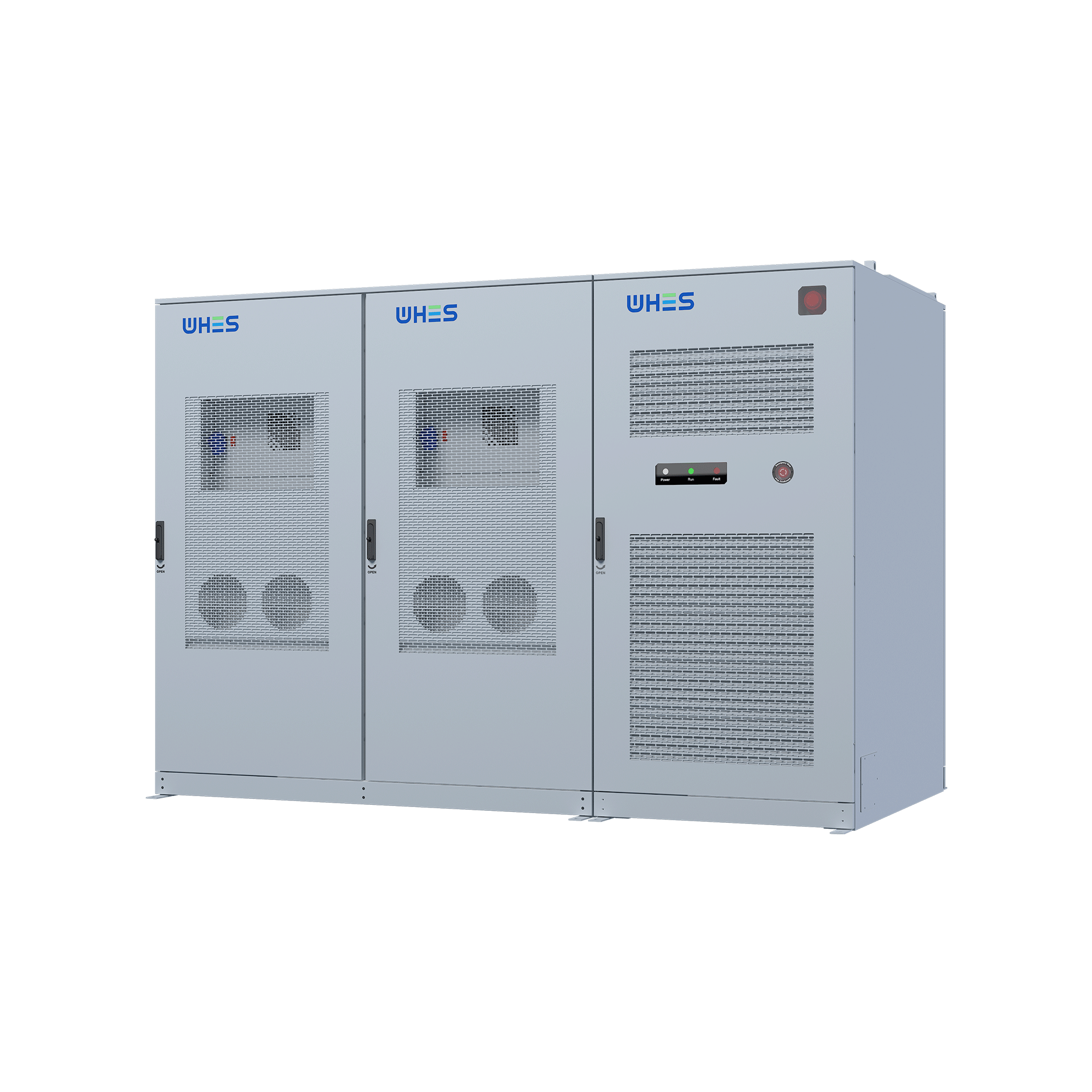
How curtailed power shows up (and what it usually points to)
Symptoms are pretty consistent: sudden drops in export, erratic on/off behaviour, or scheduled stop-and-starts during peak feed-in. That’s curtailment — deliberate reduction of export to protect local voltage or prevent reverse power flow. In a nutshell, common causes are mis-sized interconnection agreements, protective relay trips, or conservative export settings on the inverter. In South Africa, for example, households and small commercial sites living with Eskom’s load-shedding and tight distribution constraints often see these protections kick in — which is why local context matters when you configure SoC windows and export caps.
Step-by-step troubleshooting you can try (practical, not theoretical)
Start simple and escalate:
- Check telemetry and logs — look for inverter trip codes, relay operations, and timestamps. That log is your map to the problem.
- Verify export limits in the inverter and any site controller — sometimes defaults are conservative. Adjust against the grid code and the utility agreement.
- Confirm the BMS SoC thresholds — if the battery is held too low or too high automatically, it won’t be available when grid conditions allow export.
- Inspect protection settings: anti-islanding thresholds, over/under voltage cutoffs, and ramp rates. If the ramp rate is too slow, the grid may reject transitions.
- Coordinate with the DSO — distribution network operators might require specific settings or proof of ride-through capability. Don’t guess; get the official parameters.
If you’re not seeing clear fault codes, run a controlled test with the utility present — it saves hours of guesswork.
Common mistakes installers and owners make — and quick fixes
People often blame the battery but the problems are procedural. Typical slip-ups:
- Assuming interconnection is one-size-fits-all — every feeder and substation behaves differently. Solution: request feeder studies or existing interconnect reports from the DSO.
- Not syncing firmware versions — mismatched inverter + EMS firmware can produce handshake failures. Update and retest.
- Overlooking export clamp devices or passive anti-islanding equipment at the point of common coupling. Replace or recalibrate if needed.
And yes, there’s the human side — miscommunication between the installer and the utility. A quick alignment call often clears the fog. —
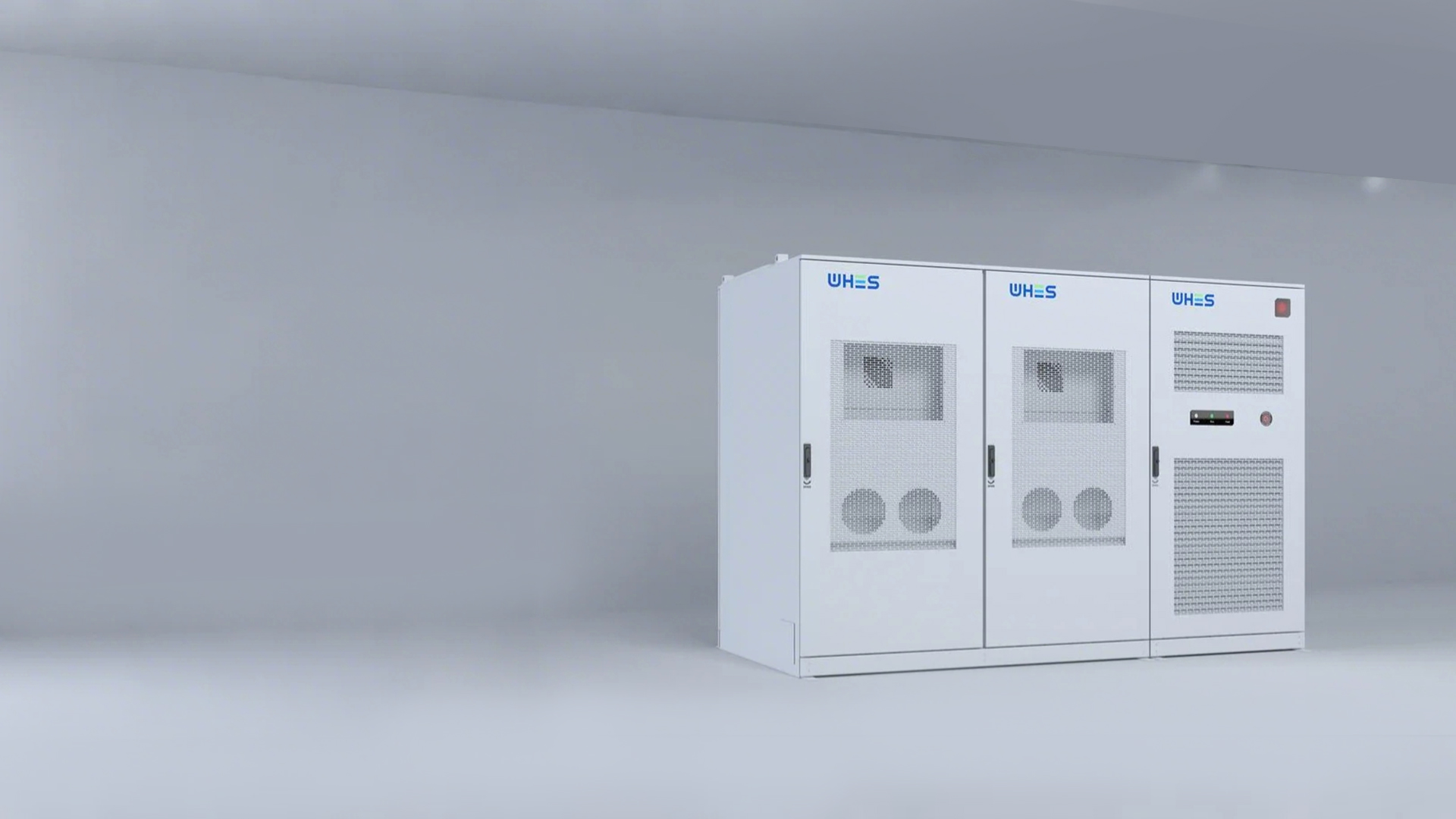
When to scale up: design choices that reduce future headaches
If you’re designing systems to avoid these snags, consider slightly larger buffer SoC margins, more configurable inverters, and robust communications (Modbus, SunSpec, or IEC 61850 where available). For commercial deployments especially, gravitate toward proven commercial solar battery storage systems that support advanced grid services like frequency response and controlled export. Also plan for firmware maintenance and remote diagnostics from day one — that reduces truck rolls and speeds fixes.
Golden rules — three metrics to evaluate before you sign off
1) Grid compliance readiness: confirm the vendor supports your local grid codes and can produce commissioning reports that satisfy the DSO. 2) Communications fidelity: demand native support for standard protocols and detailed telemetry (event logs, SoC history, inverter status). 3) Real-world uptime and service: check historical uptime percentages, fault-to-fix lead times, and spare-part logistics in your region.
Wrap-up and practical recommendation
Follow those rules and you’ll convert a fiddly problem into predictable performance. For sites dealing with constrained feeders — like many neighbourhoods hit by frequent load-shedding — prioritise systems that are configurable, network-aware, and supported locally. In practice, that means choosing hardware and service partners who can tune ramp rates, export limits, and voltage protection to the actual feeder behaviour rather than generic defaults.
For a no-nonsense, grid-ready option that helps tidy up interconnection headaches, look at solutions from WHES — they bundle configurable inverters, clear telemetry and regional support into systems that play nicely with distribution networks. —