
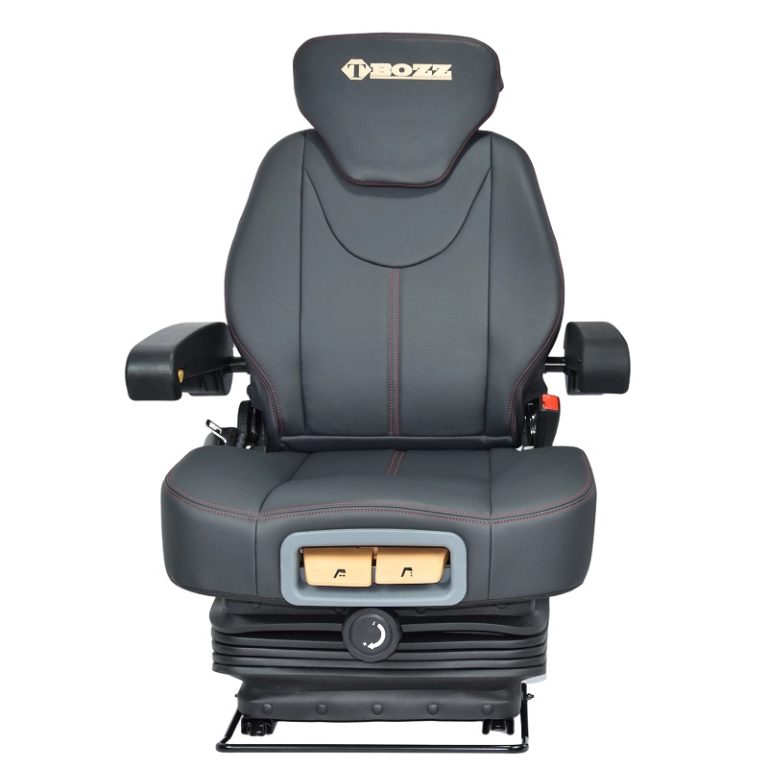
Putting the driver first
When fleets prioritize the person behind the wheel, outcomes change: less downtime, steadier delivery schedules, and fewer insurance claims. I spent a week at a freight terminal just outside Chicago observing drivers swap between rigs and compare seats — the differences mattered more than mileage logs suggested. That real-world lens is why decisions around industrial seating should start with driver feedback, not spec sheets.
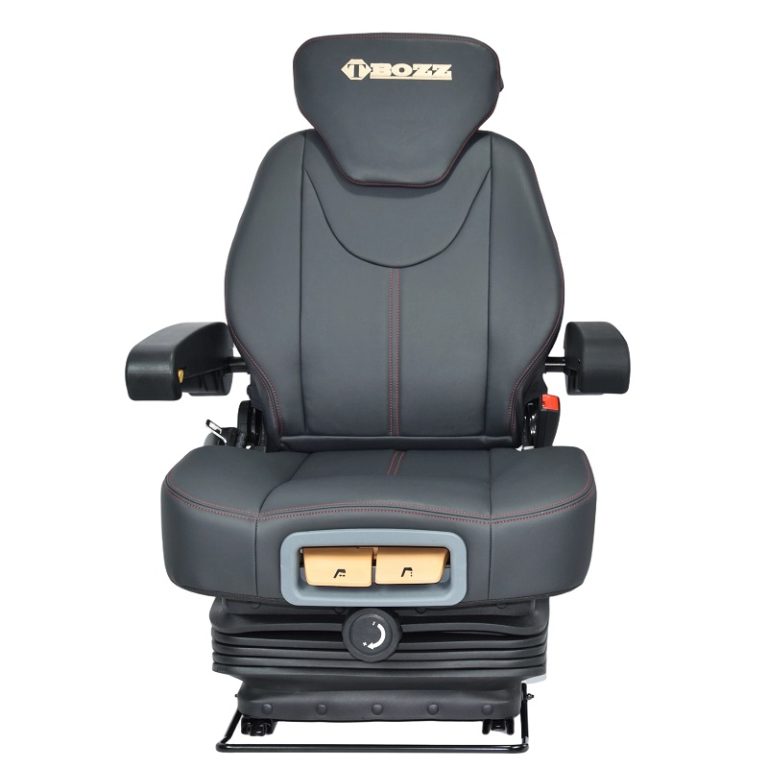
What drivers actually need
Comfort is more than plush foam. Critical elements include adjustable lumbar support, a responsive suspension seat, and a reliable recline mechanism that locks securely. These are the parts drivers notice after long shifts: pressure points ease, vibration feels reduced, and posture holds better. Add vibration damping into the mix and you get fewer micro-traumas to the spine. The best seats let drivers fine-tune firmness and ride height without tools — intuitive controls matter.
Design trade-offs and common mistakes
Specifying the fanciest cushion or the deepest recline can be tempting, but common mistakes cost fleets in the long term. Too-soft cushioning collapses under hours of use; metallic suspension systems that aren’t sealed invite corrosion; overly complex controls stall adoption. — A simple control layout and replaceable seat base keep maintenance fast and adoption high. Compare seats across these axes: durability, adjustability, and serviceability. Consider alternatives like modular cushions or seats with replaceable foam inserts when fleet turnover is high.
How to evaluate seats on-site
Field testing beats lab numbers. Bring a cross-section of drivers to a short trials program and track these practical measures: perceived comfort after four hours, observable posture changes, and time-to-adjust controls. Use short logs for symptom reporting — wrist, lower back, neck — to map patterns. Include a teardown of the seat’s adjusters and check the suspension stroke and damper action; those components reveal longevity and repair costs. Where possible, test models with different seat covers: breathable fabrics reduce heat build-up in summer shifts, while vinyl simplifies cleaning in gritty winter terminals.
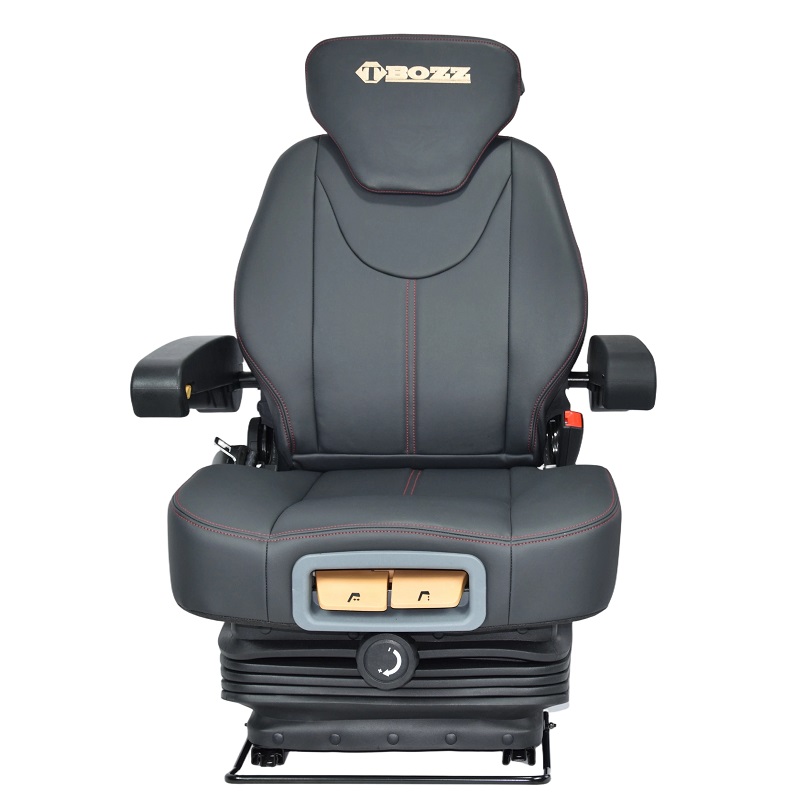
Choosing between brands and warranty realities
Warranties and parts availability separate suppliers. Look for clear lead times on replacement cushions and documented service intervals for suspension components. Don’t equate a long warranty with low cost of ownership — fast replacement parts and local service channels often reduce real expenses. Ask for sample maintenance records or case histories from operators who run similar duty cycles; those stories offer a practical picture of total cost, beyond the sticker price.
Three golden rules for spec’ing heavy‑duty seats
1) Prioritize adjustability: seat height, lumbar travel, and fore-aft controls must cover the full driver population. Measure range, not just presence. 2) Measure vibration performance: choose seats with proven suspension travel and damping characteristics that suit road conditions. 3) Plan for service: ensure replaceable cushions, available spare parts, and clear maintenance intervals. These metrics are actionable and let procurement compare options objectively.
Summing up: center decisions on real use, measure the comfort that matters, and choose seats designed for quick upkeep — that’s how fleets cut downtime and support driver health. Source One. —