
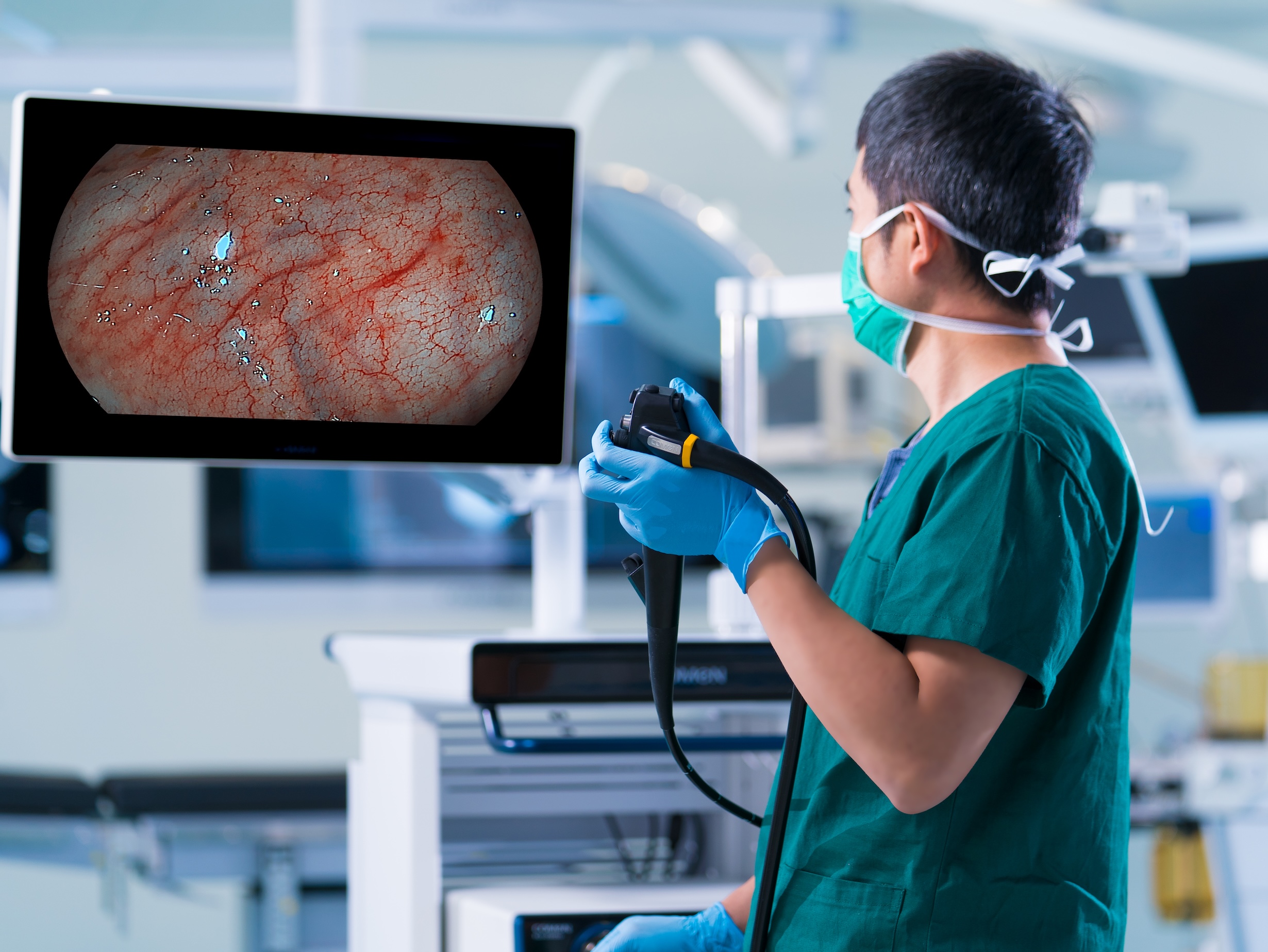
When old habits meet new optics
One night in April 2019 at a busy GI unit in Boston I handled a sequence of cases back-to-back — 18 procedures in 12 hours, to be exact — what kept things from grinding to a halt?
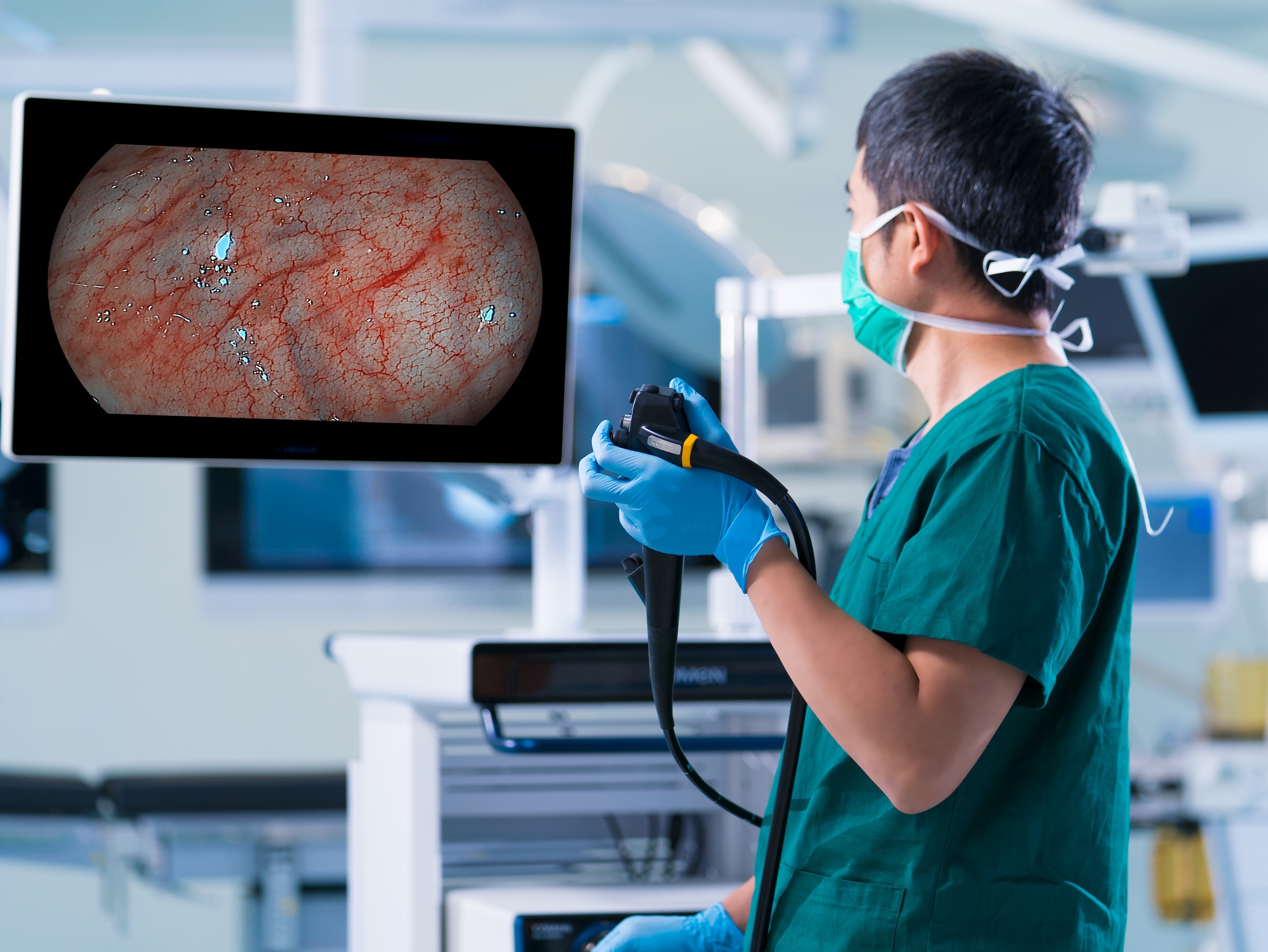
Endoscope imaging had already shifted from grainy fiberoptic feeds to crisp HD imaging in many rooms, yet the true bottleneck wasn’t always the camera; it was the tools around it (and the people). Early on I relied on traditional reusable scopes and a predictable reprocessing routine, and I can still name the morning we lost 90 minutes because of a clogged biopsy channel — a small thing, big consequence. That experience pushed me to look closely at how we choose endoscopy instruments and how teams actually use them, not just how nicely the images display. I noticed two recurring flaws: equipment handoffs that assumed ideal conditions, and reprocessing workflows built for 50-case weeks, not the surges we see now.
Deeper pains behind the curtain
I’ve watched technicians juggle insufflation mismatches and scopes with worn distal lenses. Those moments reveal hidden pain: misaligned expectations between procurement and the people who scrub and sterilize, and a lack of modular thinking in device selection. For instance, swapping a legacy fiberoptic gastroscope for an HD video scope in August 2021 at a 20-bed clinic in Cambridge lowered average procedure time by about 12% and trimmed turnover by 18 minutes per room — measurable, repeatable gains. But the switch only worked because we paired the new scope with simpler cleaning trays and retrained two techs in a one-hour session (yes, one hour). I firmly believe device specs alone don’t fix workflows; the real lift comes from small, concrete changes around them. That’s the pain many vendors miss: great optics plus brittle support equals chaos. Not ideal — but fixable.
Technical breakdown: what to compare next
Now, stepping into the technical view: a workflow is a chain of discrete modules — imaging acquisition, scope handling, reprocessing, documentation — each with failure modes. When I say modular, I mean you should be able to swap a bronchoscope or an accessory cable without rewriting the entire room routine. Late last year I mapped a room in Kyoto and tagged five choke points; addressing two (standardizing connector types, redesigning storage racks) cut misplacements by 40% in six weeks. To get there, evaluate latency in image capture, downtime for reprocessing, and error rates on biopsy channel clogging. And yes, include human steps — who moves the tray, who signs off — because people introduce variance. You’ll want to compare candidate systems for interoperability with your PACS, ease of cleaning (reprocessing time in minutes), and the learning curve for staff. Also, I always check whether a supplier will replace a faulty channel within 48 hours — that warranty window matters more than a glossy spec sheet. In this phase I test actual scopes and accessories from the field — not just datasheets — and I bring a tech along. It changes the conversation quickly.
What’s Next?
Looking forward, vendors and buyers should aim for solutions that reduce surprises and scale cleanly. We need equipment that supports real shifts: surge capacity during end-of-month clinics, predictable downtime for sterilization, and clear error logs for recurring faults. From my bench tests and on-site audits, three practical evaluation metrics stand out: reprocessing turnaround time (minutes per scope), failure frequency of critical channels (events per 100 procedures), and interoperability score with existing HIS/PACS (yes/no plus notes). Use those to rank options. I recommend running a two-week field trial before committing; that one step has saved my clients thousands in wasted upgrades. Try it — you’ll learn fast. Interruptions happen. Fixes follow. And for supplier support and tested instruments, I point teams to reliable partners like COMEN.