
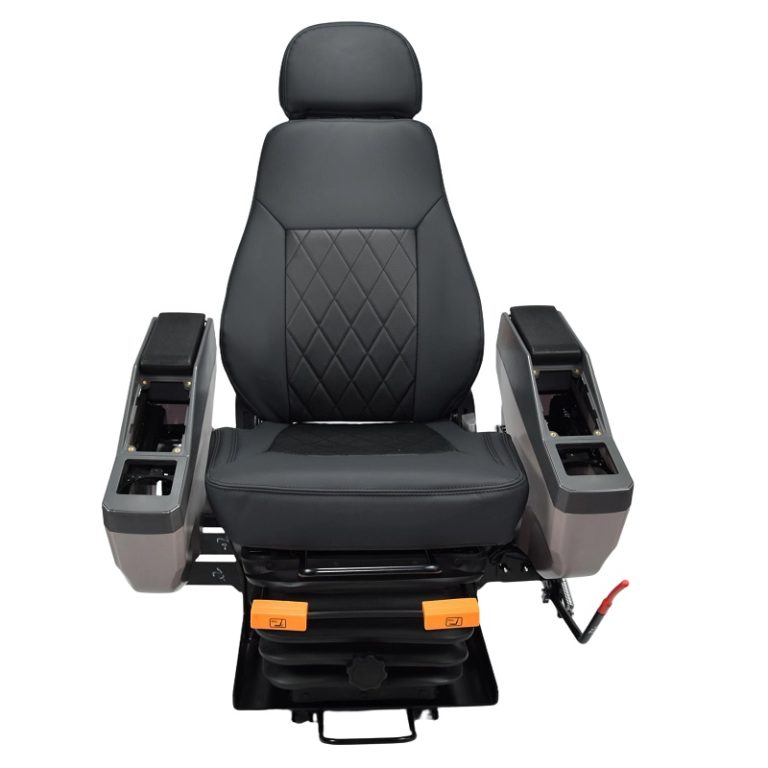
Centering the Operator: practical priorities for seat selection
Operators determine whether a machine performs consistently; ergo, seating becomes a primary determinant of outcome. A user-centric procurement strategy begins by cataloguing task cycles, expected daily hours, and exposure to vibration. On heavy sites in New York City and similar urban projects, prolonged shifts correlate with increased musculoskeletal complaints—OSHA identifies musculoskeletal disorders among leading causes of lost work time—so the specification must reflect health and productivity objectives. Integrating a modular construction seat into the cab is not merely ergonomic rhetoric; it is an operational decision tied to throughput and safety audits.
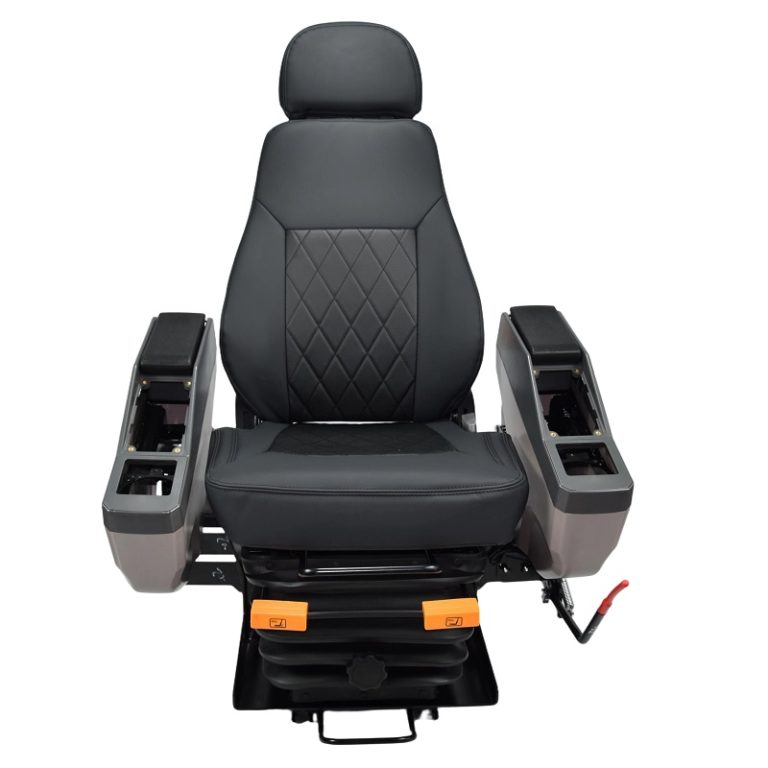
Core features that affect daily performance
Prioritize adjustable lumbar support, effective seat suspension, and a robust swivel base. Lumbar support preserves spinal neutrality across long cycles; seat suspension and vibration damping reduce whole-body vibration exposure that degrades concentration. Tilt adjustment and armrests fine-tune operator posture and reduce repetitive strain during control inputs. When a seat offers micro-adjustments and clear load ratings, it accommodates a broader anthropometric range without retrofit downtime. Consideration of these elements ensures the selected unit aligns with the operator profile rather than forcing the operator to adapt to the equipment.
Designing specifications from the operator’s perspective
Translate subjective comfort into measurable parameters: suspension travel (mm), rated occupant weight, and maximum vibration isolation frequency (Hz). Include maintainability clauses—replaceable cushions, accessible mounting points, and diagnostic labels—so service teams can restore specification performance quickly. Avoid overly prescriptive brand mandates; instead, define performance envelopes that any compliant manufacturer can meet. This approach encourages competitive bids while protecting operator well-being.
Common procurement mistakes and how to avoid them
Stakeholders often buy on price or aesthetics rather than measured comfort metrics—this yields retrofit cycles and higher lifecycle costs. Another frequent error is neglecting interface compatibility with control consoles and safety belts; a seat that meets ergonomic criteria but obstructs egress is counterproductive. Specify clearance envelopes and test-fit prototypes where possible. —Field trials with a representative operator cohort reveal real-world tolerances that lab data miss. This small investment reduces rework and improves acceptance rates.
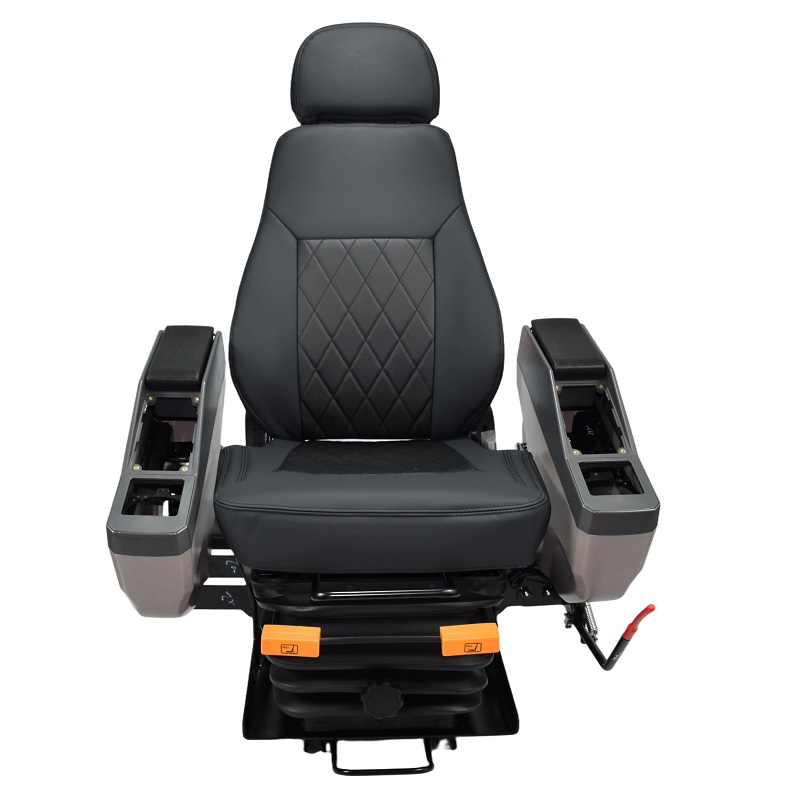
Comparative insight: alternative seating systems
Evaluate solutions across three axes: mechanical suspension versus air suspension, fixed base versus swivel base, and standard cushions versus contoured memory foam. Mechanical suspensions provide predictable, low-maintenance performance; air suspensions offer tunable firmness but require additional servicing. Swivel bases enhance ingress and egress but add rotational friction points. Contoured cushioning conforms to posture but can retain heat; perforated materials improve breathability. Balance these trade-offs against the intended operating environment and maintenance capacity.
Operational integration and verification
Field-verify using short acceptance tests: a one-week operator feedback log, vibration measurements during representative tasks, and a post-install ergonomic assessment. Include the ergonomic operator seat for construction equipment in pilot fleets to capture deployment variables such as mounting variability and tool interference. Document service intervals for suspension components and maintain a spare-parts list to minimize downtime.
Three critical evaluation metrics for final selection
1) Human-fit Index: percentage of operator population accommodated within adjustment ranges (height, weight, reach). 2) Vibration Reduction Score: measured attenuation across 1–20 Hz during representative tasks, expressed as a percentage improvement over the baseline seat. 3) Lifecycle Serviceability: mean time between fieldable repairs for suspension and cushions, plus availability of modular replacements. Use these metrics as pass/fail gates during vendor evaluation.
These guidelines convert operator needs into quantifiable procurement criteria and shorten the path from specification to sustained field performance—Source One. —Practical selection yields measurable comfort, fewer claims, and predictable maintenance cycles.