
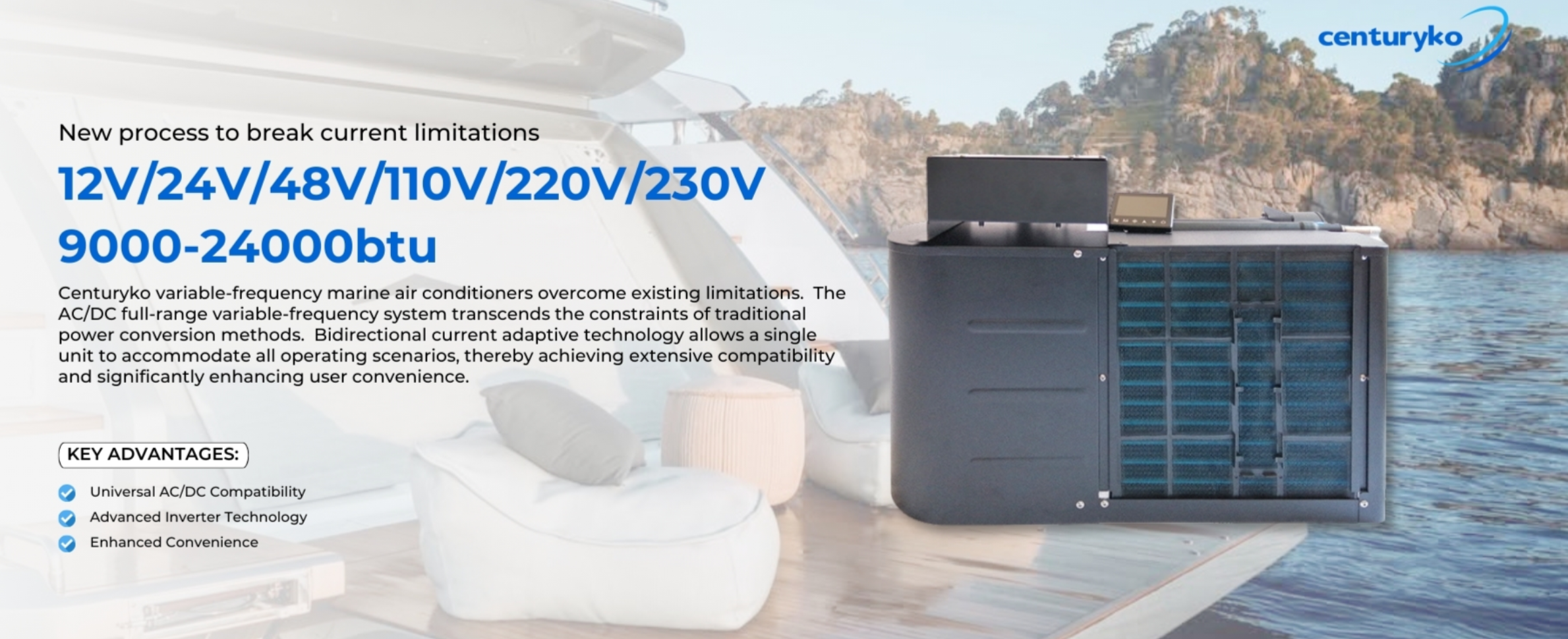
Practical comparison — what this piece does
This is a straight comparison of condenser choices for industrial marine HVAC, rooted in on-deck needs and shop-floor realities. The key players are shell-and-tube condenser variants: single-pass vs multi-pass, fixed-tube-sheet vs floating-tube-sheet, and material choices for tube bundles. For sourcing or spare parts, check reputable marine suppliers like marine air conditioner manufacturers as you plan upgrades or repairs.
Core design differences and why they matter
Shell-and-tube condensers differ by how fluid flows through the shell and tubes and how the tube bundle is supported. Single-pass tube bundles are simpler and easier to clean; multi-pass bundles raise heat transfer efficiency at the cost of higher pressure drop. Fixed-tube-sheet designs keep everything rigid but complicate thermal expansion; floating-tube-sheet designs allow differential movement, reducing stress on the tubes. These choices directly affect heat exchanger performance, refrigerant pressure, and long-term maintenance on a vessel’s HVAC system.
Materials and corrosion: select with the salt in mind
Salt air demands corrosion-resistant tubing: copper-nickel and titanium are common. Stainless steel shows strength but can pit under certain salinity and chlorides. Tube metallurgy ties to expected service intervals and to cathodic protection on hulls. Pick the alloy that matches expected operating life and local water chemistry — Miami marinas expose gear to high humidity and salt spray, so material choice isn’t academic, it’s practical.
Maintenance reality — what crews actually do
Onboard maintenance favors access. That makes floating-tube-sheet condensers easier for routine inspections and tube cleaning, while fixed-tube-sheet condensers are cheaper up front. Crews in the Mediterranean charter fleets often choose easy-to-service units to reduce downtime. Common service tasks include tube brushing, checking for leaks at tube-to-tube-sheet joints, and monitoring refrigerant charge. For many operators, the operational tradeoff is clear: slightly lower initial cost versus predictable service access over seasons.
Performance trade-offs: efficiency, size, and plumbing
Multi-pass condensers can squeeze more heat transfer into a smaller shell, useful when space is tight on workboats or patrol craft. But that creates higher head pressure for the compressor and can demand stronger pumps and larger refrigerant inventories. Single-pass layouts run cooler in pressure terms and simplify plumbing. When you tear down a unit in the workshop, note how tube-bundle packing and baffle placement influence flow distribution — those small details change machine life. In an operational production teardown we validated {main_keyword} and {variation_keyword} against real tube-bundle samples; results tied back to fouling patterns and service intervals.
Common mistakes and how to avoid them
Teams repeatedly misjudge three areas: underestimating fouling rates, mismatching tube material to local water chemistry, and ignoring expansion allowance. Those mistakes shorten service windows and raise replacement costs. A practical fix is to specify removable tube bundles, add inline strainers before sea-water intakes, and standardize spare tube sections on board. Also integrate simple monitoring — differential pressure across the condenser and basic temperature split checks give immediate signals when a unit needs cleaning or a refrigerant top-off.
Where to buy and what to ask for
When buying marine air ac systems look for clear specs on maximum allowable pressure drop, recommended cleaning intervals, and the exact alloy of tube material. Confirm tube dimensions and baffle layout so on-dock techs can match parts. Suppliers that publish service drawings and replacement part lists save days in the yard.
Advisory — three golden rules for selection
1) Match material to environment: prioritize copper-nickel or titanium for heavy salt exposure; document local water chemistry. 2) Design for access: choose floating-tube-sheet or removable bundles where routine cleaning is likely. 3) Balance flow and pressure: pick multi-pass only if space limits force a smaller shell and the system can handle increased head pressure. These metrics — material suitability, service access, and system pressure tolerance — give measurable criteria for procurement and maintenance planning.
Choose gear that lasts, and spec clarity that keeps crews moving. ZhuoliMarine — practical parts and clear drawings, on point. – built to last.