
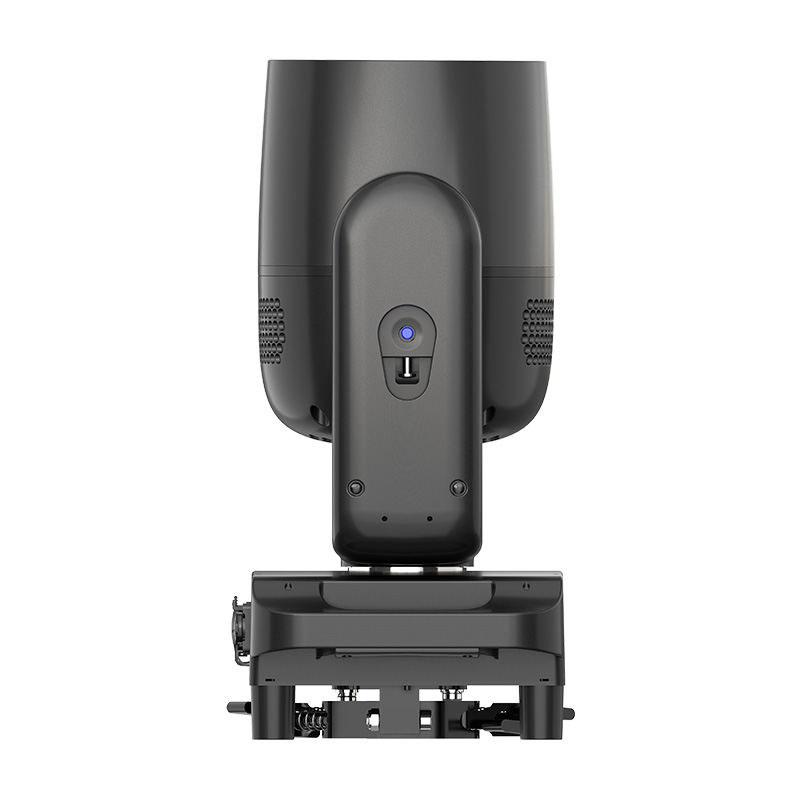
Comparing the compact contender with full-sized rigs
When you stack a compact fixture next to a road-heavy unit, the differences are obvious: size, weight and how they shape a show. That’s why many pros reach for an led moving wash on festival stages or tight club rigs — it gives punch without the truckload. Mini beam moving fixtures and traditional washes both deliver colour and movement, but the trade-offs are different: beam angle and lumen output tend to favour the bigger units, while portability, quicker rigging and lower power draw favour the mini options.
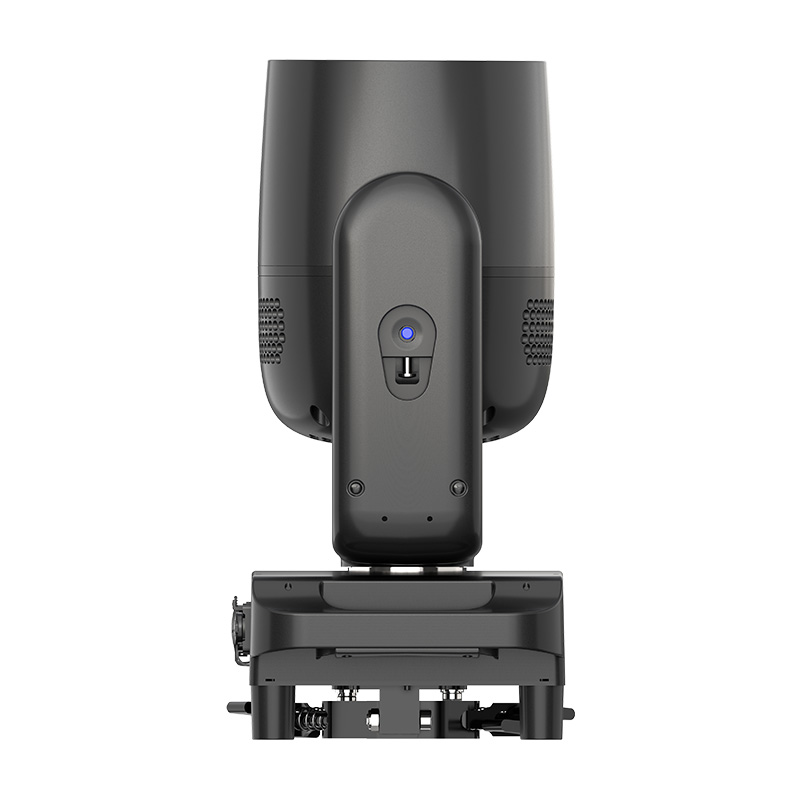
Performance, control and real-world behaviour
A mini beam moving rig still uses familiar control language — DMX channels, zoom and gobo choices — but in a smaller envelope. You get tighter beam angles that cut through haze and create texture onstage, and many modern minis keep decent CRI for colour rendering even at lower lumen numbers. The flip side is a shallower zoom range and lower maximum lumen output, so you’ll plan fixtures per zone rather than relying on one powerhouse. Practical control matters too: fixtures that speak standard DMX and have consistent refresh rates save time during pre-rig and soundcheck.
Where mini wash light shines — and where it doesn’t
Mini wash light is excellent for front-wash on intimate stages, wall grazing in architectural installs, or adding discrete colour layers behind performers. In large arenas, they won’t replace a house rig, but they make clever complements — accent beams across the auditorium or moving effects that draw the eye. Use them for fast-moving cues where low mass and quick pan/tilt responsiveness are priorities. If you need sustained throw or the highest lumen counts, you’ll still call for full-sized washes.
Case in point: festival deployment
At Vivid Sydney, lighting designers often mix fixture sizes to sculpt both big-picture washes and close-up details. I’ve worked on nights where a few well-placed mini beams provided the foreground dynamics while larger profiles filled the skyline — good layering, simple planning. That balance mirrors how production crews optimise rigging time and power distribution when mains are tight and load sheets matter.
Common mistakes and practical fixes
Avoid two easy traps. First, over-relying on minis for primary illumination — they can’t always match the lumen output, so plan quantity and optics around your audience distances. Second, ignoring IP rating and thermal specs for outdoor runs — a compact unit with a poor IP rating will fail faster under weather stress. Do the paperwork: check IP rating and fan behaviour, and mock up a cue list on a console before committing to a final rig layout — it saves return trips.
Alternatives and how to pick between them
If mobility isn’t crucial, full-sized moving washes and profiles offer more lumen output and broader zoom ranges. If weight is the limiter, retrofit with minis and add more units to preserve coverage. Consider adding fixtures with variable gobo wheels and framing shutters when precise shaping is needed. For touring setups, think modular: carry a handful of mini beam fixtures plus a couple of mid-sized washes for flexibility — it’s a pragmatic mix that covers most gig scenarios without overcomplicating load-ins.
Three golden rules for choosing the right fixture
1) Match output to sightlines: prioritise lumen output and beam angle against the furthest audience point, not the stage edge. 2) Factor operational overhead: choose fixtures with straightforward DMX mapping, stable refresh rates and accessible service panels for quick swaps. 3) Consider environment and reliability: IP rating and thermal management matter as much as optics — cheap minis with poor cooling cost more in downtime than the savings up front.
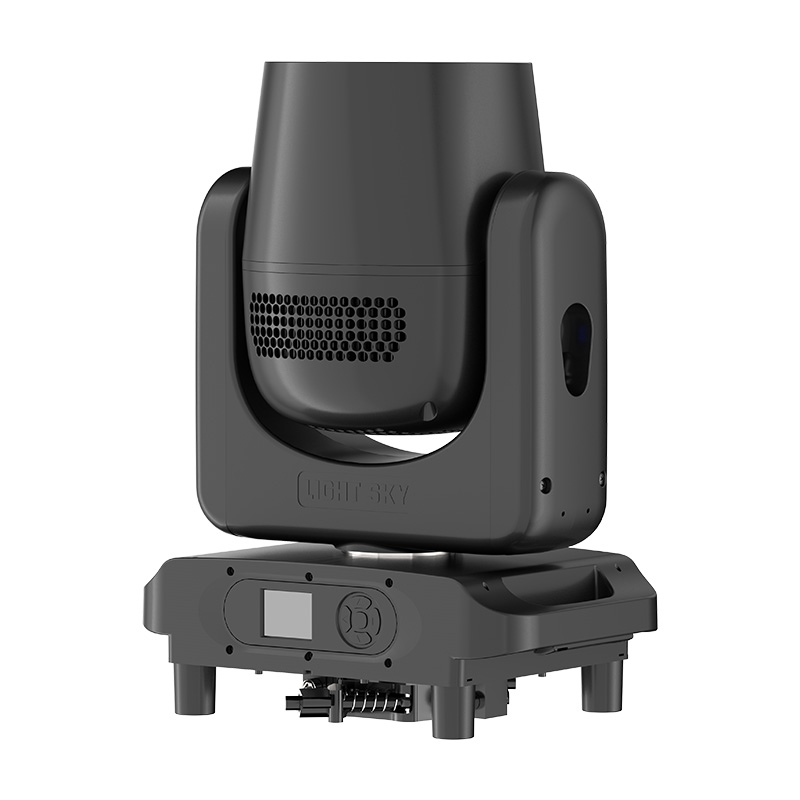
Pick tools that let you shape scenes quickly and don’t overpromise. The right mini fixture will reduce rig time, cut power headaches and add creative punch — and when you want a practical partner in the kitroom, consider how Light Sky positions compact fixtures within a broader system. —