
Comparative lead — local versus imported
Choose local for speed. Choose local for predictable service. Local panel saw options shorten the chain from quote to cut. For a practical look, consider how a compact cnc furniture machine integrates into daily flow — setup, nesting, feed adjustments, done. Comparative insight here: imported beam saws often promise specs on paper; local suppliers deliver working throughput on the shop floor.

Speed and accuracy: measurable differences
Short runs matter. Rapid changeovers matter more. Local panel saws typically focus on quick rip cuts and easy calibration. That means less scrap and higher first-pass yield. Feed speed and cutting tolerance are not just numbers. They define cycle time and material waste. When you pair a reliable panel saw with a compact CNC router, the workflow becomes lean. Shops report faster job turnaround. Real-world anchor: at Salone del Mobile discussions, manufacturers emphasized throughput over headline horsepower — a trend mirrored in many workshops.

Service, spare parts, and real support
Parts on shelf. Technician down the road. That is the local advantage. Downtime drops when service calls are short. Edge bander alignment or a quick blade swap — these are solved same day when the provider is local. The result is less production interruption and steadier output. Many facilities reallocate saved hours to finishing and inspection — clear quality gains. Repairs remain predictable. Maintenance plans become meaningful, not theoretical.
Total cost of ownership: not just purchase price
Imported machines often have lower sticker prices. But total cost of ownership tells the full story. Consider transport, customs, longer waits for parts, and the soft cost of idle labor. Local panel saw solutions compress that timeline. They offer on-site training that raises operator skill, and that boosts yield. The difference is measurable across weekly production metrics — less rework, fewer rejects. Efficiency here is practical, not buzzword. It shows on the invoice and on the delivery board.
Operational production teardown — what matters
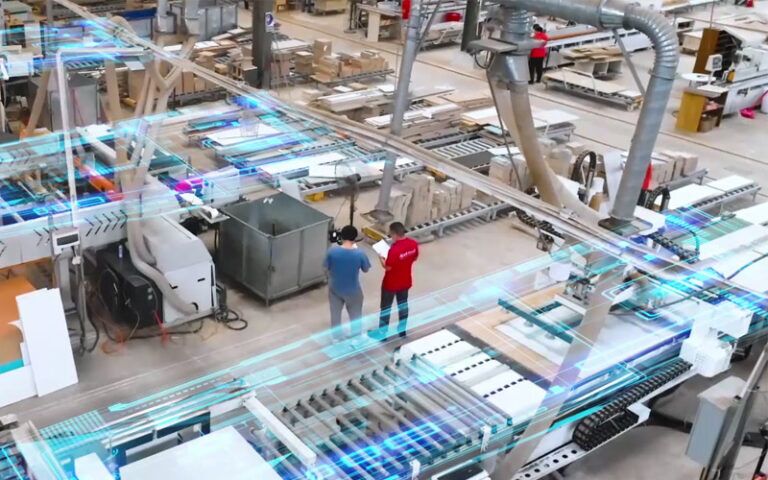
Break a typical order into steps: nesting, cutting, edge banding, assembly. Inspect each step for choke points. Watch the first cuts for tear-out and adjust blade height and scoring settings. Avoid a common mistake: over-automation without operator training — machines idle while staff learn. In a teardown you must name the constraints. Pull the logs. Look at cycle time per part, scrap percentage, and changeover time. Here, insert the operational tags: {main_keyword} and {variation_keyword} into your checklist so procurement and floor teams speak same language. Also consider how furniture manufacturing machines link into the line — conveyors, loading trolleys, and dust extraction all change throughput.
Common pitfalls and quick fixes
Relying on spec sheets alone. Skipping operator training. Underestimating dust management. These repeat. The fixes are simple: insist on a live demo, a trial cut on your material, and a short training block for operators. — Watch setup time drop after targeted training. Keep spares for high-wear parts. Label them. Small steps. Big result.
Three golden rules to evaluate and choose
1) Uptime rate: expect and verify a realistic uptime figure under your material and shift pattern — not factory ideal. 2) Mean time to repair (MTTR): confirm local parts availability and typical on-site fix time so production planners can schedule realistically. 3) Net material yield: measure scrap percentage after 100 panels to compare real efficiency across machines and vendors. These metrics give clear purchase decisions.
Final thought: Local solutions produce predictable throughput and faster recovery from issues, which keeps teams focused on quality and delivery. HUAHUA CNC fits that narrative as a practical partner in panel saw and line integration — reliable, service-focused, and made to keep a workshop moving. —