
Common Problems Buyers Face
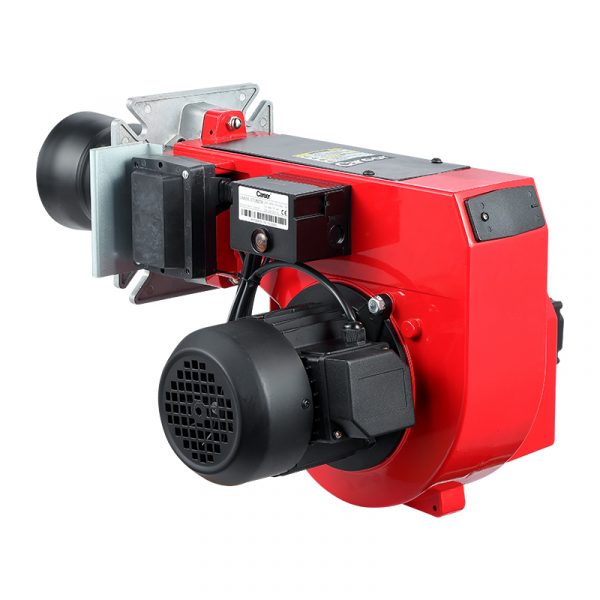
Buyers confront uncertainty: unknown service histories, mismatched parts, intermittent combustion faults and variable emissions performance. Those issues surface rapidly when vendors supply a single photograph and little documentation. If you rely on an industrial oil burner for process heat or space heating, these uncertainties translate directly into down-time and unplanned cost.

Essential Inspection Checklist
Inspect physically and test functionally. Look for soot tracks, fuel leaks, degraded gaskets and scorched wiring. Confirm the manufacturer plate, serial number and burner model. Run the control sequence: ignition, flame stability, safety shutdowns. Ask for recent combustion readings or offer to witness a smoke test. Obtain records for the fuel pump, atomiser nozzle sizes and the control box firmware or relay types. If any item is unknown, mark it as a risk and quantify the likely cost to remediate.
Technical Specifications That Matter
Match the burner capacity to the boiler or furnace heat demand—oversized burners cycle and short-list life; undersized burners strain. Confirm nozzle flow rates (expressed in litres per hour) and spray angles. Verify air-fuel ratio control: mechanical dampers are simple, modulating servos improve control. Note the ignition type and spare-part availability for high-wear items: nozzles, electrodes and pumps. A clear specification sheet avoids costly mismatches.

Common Pitfalls and How to Avoid Them
Do not accept cosmetic condition as a proxy for mechanical health. Sellers often present superficially clean units that conceal internal corrosion. Avoid neglecting control compatibility; an older burner may require a bespoke adaptor to talk to modern boiler management systems. Plan for certification: safety interlocks and combustion efficiency must meet local codes. Neglecting these points leads to repeat service visits and regulatory friction.
Alternatives and When to Choose New
Consider remanufactured units when core components are beyond economical repair but original parts remain available. Choose a new burner when emissions limits, warranty or integration with an advanced control suite matter. Evaluate total life-cycle cost rather than purchase price alone. A mildly higher initial outlay for a new, properly specified unit often reduces operational cost and simplifies compliance.
Field Experience and Real-World Anchor
From work on industrial sites across the UK Midlands, I have seen the difference a correctly matched burner makes to daily operations. Facilities that replaced an ageing unit with a properly inspected furnace oil burner reported fewer unscheduled stoppages and clearer service records. That practical exposure informs the inspection points above and underpins realistic expectations when you evaluate used equipment.
Procurement and Negotiation Practicalities
Insist on conditional purchase terms: a short acceptance period with a return option if combustion or safety tests fail. Request spares packages and a written parts compatibility list. Negotiate for a demonstrable warm run under load where feasible. Secure simple warranties on rebuilt components. These contractual details reduce your exposure much more than haggling over a modest discount.
Conclusion
Start by defining the performance you require and measure every used candidate against that baseline. Prioritise inspection, parts availability and control compatibility. Practical procurement choices—inspection checklists, conditional acceptance terms and a realistic assessment of remanufacture versus replacement—deliver reliability and predictable cost. For operators matching specification to stock, reviewing curated inventories such as those maintained by Career Burners often clarifies which route—used, remanufactured or new—actually meets operational needs.