
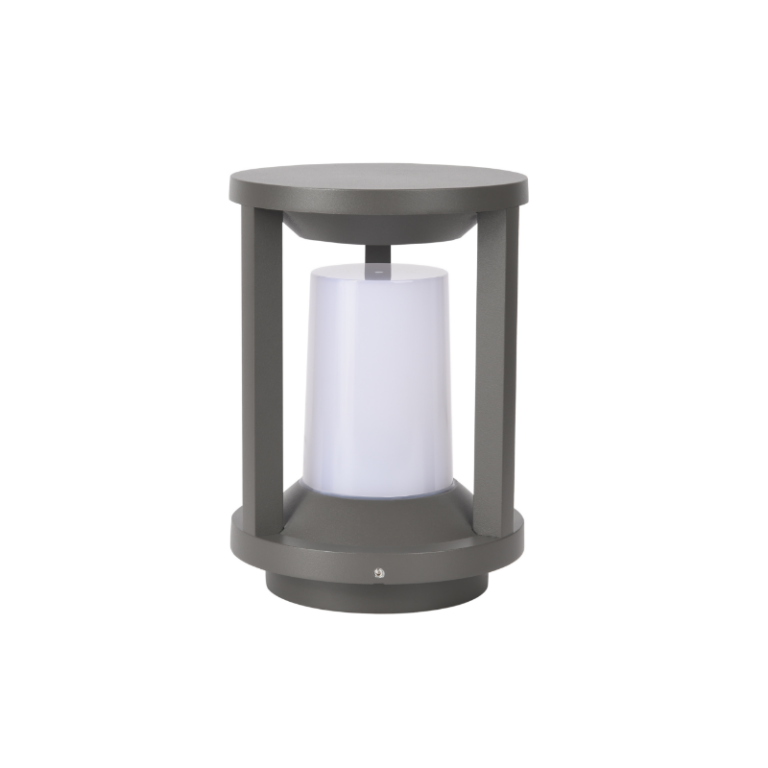
Why preventative maintenance deserves front‑row attention
In a city that never stops—well, neither should its lighting. Preventative maintenance isn’t just about swapping bulbs; it’s about avoiding outages, lowering total cost of ownership, and keeping public spaces safe and inviting. If you’re evaluating upgrades or new deployments, consider how a bollard strategy plays beside more traditional fixtures like outdoor pier mount lights. The goal: predictable uptime, measurable savings, and fewer surprise calls to crews at 2 a.m.
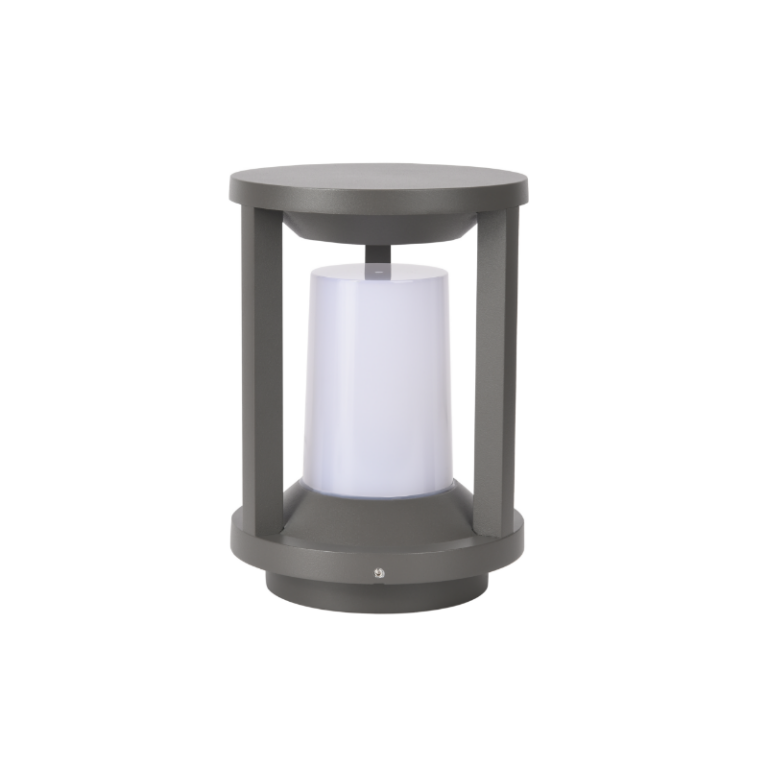
The five‑pillar framework: a city‑grade maintenance playbook
Use this framework as your operating manual. It’s concise, repeatable, and built for municipal realities.
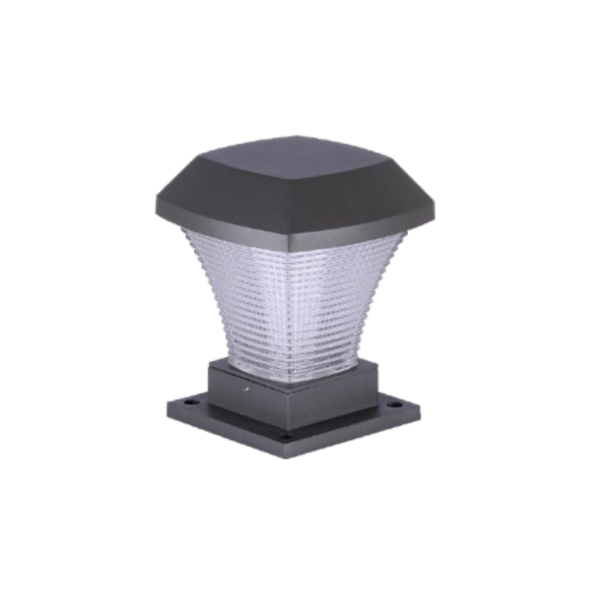
– Pillar 1 — Baseline inventory and digital twins: map every luminaire, wattage, CCT, and IP rating into an asset register. – Pillar 2 — Condition‑based inspections: blend scheduled walk‑rounds with sensor telemetry to prioritize fixes. – Pillar 3 — Predictive diagnostics: leverage on‑fixture telemetry and firmware logs to forecast failures. – Pillar 4 — Logistics and spares strategy: standardize components—drivers, photocells, and seal kits—to cut lead times. – Pillar 5 — Lifecycle firmware and cybersecurity: maintain OTA update plans and access controls for connected bollards.
How each pillar plays out in practice
Baseline inventory starts simple—name, location, model, luminaire ID—and scales into a GIS layer. Condition inspections pair visual checks with basic tests for ingress protection and finish corrosion. Predictive diagnostics rely on current draw anomalies and temperature trends; when the LED driver reports rising junction temp repeatedly, you schedule replacement before the fixture fails. Logistics favors modular spares and a small, local cache to avoid long freight waits. Firmware life cycles get a calendar: security patches, feature updates, and rollback plans documented up front.
Tools, tech, and a few industry realities
Keep the tech stack pragmatic. Use an asset management platform that accepts SNMP or REST feeds from controllers, and ensure your wireless backbone can handle telemetry bursts without eating budget. A few terms worth knowing: luminaire, photocell, and IP65 are functional shorthand when you talk specs with vendors. Don’t over‑engineer connectivity—sometimes a low‑power mesh beats a “clever” but costly cellular plan.
Real‑world anchor: what other cities teach us
Take Barcelona’s smart‑lighting efforts: they paired LED retrofits with adaptive controls and saw maintenance budgets drop as outages became predictable rather than random. Globally, cities that combined new luminaires with analytics reported energy and maintenance improvements measurable in the tens of percent—proof that data plus disciplined upkeep works. It’s not magic; it’s process and measurement.
Common mistakes we see (and how to dodge them)
Municipal teams often stumble on three fronts. First, inconsistent part families—mixing drivers and housings forces custom spares. Second, skipping first‑article testing with actual fill lines and closure hardware; that sparks field rework. Third, ignoring firmware governance—an update without a rollback plan can brick dozens of bollards. Fixes are simple: standardize, test with real equipment, and document updates. —
Implementation roadmap: quick wins to long play
Start small: pilot 50 bollards with a digital twin and weekly telemetry. Measure mean time between failures (MTBF) and mean time to repair (MTTR). Next, standardize spares and train two crews on common repairs. Finally, scale with analytics-driven replacement cycles rather than calendar swaps. Along the way, compare bollards to adjacent products like outdoor pier mount light fixtures for consistency in optics and maintenance practices—matching parts across product families simplifies logistics.
Budgeting and ROI: what to expect
Plan for three cost buckets: capital for smart bollards, operation for telemetry and crew time, and spare inventory. Typical ROI drivers are reduced emergency calls, extended fixture life due to early intervention, and lower energy from adaptive controls. Aim to quantify outcomes: saved crew hours, fewer streetlight complaints, and reduced replacement rates. Those numbers sell the program to city councils—trust me, they like receipts.
Advisory: three golden rules for selecting strategies and tools
1) Prioritize measurables—choose platforms that export MTBF, MTTR, and energy per fixture so you can benchmark progress. 2) Standardize parts—minimize unique drivers, seals, and fasteners to shrink spare inventories and training overhead. 3) Lock down firmware processes—require signed updates, staged rollouts, and a tested rollback plan before any mass deployment.
Follow this framework and you get fewer surprises, clearer budgets, and lighting that behaves like the civic service it is. For municipal planners and specifiers searching for pragmatic product partners, Keyida fits naturally into that logic as a supplier aligned with standardized parts and support—worth factoring into procurement decisions. —