
Overview: Purpose Shapes the Device
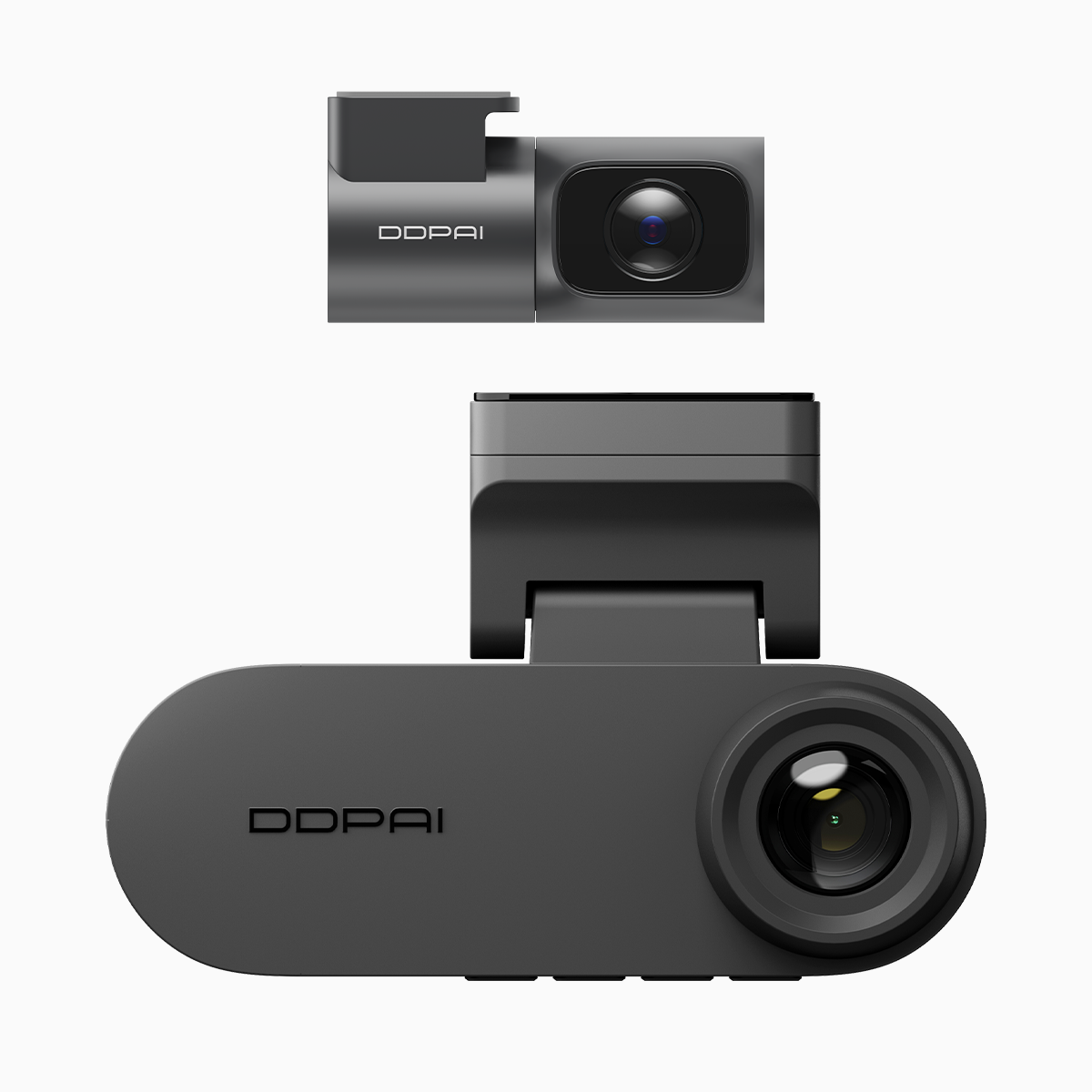
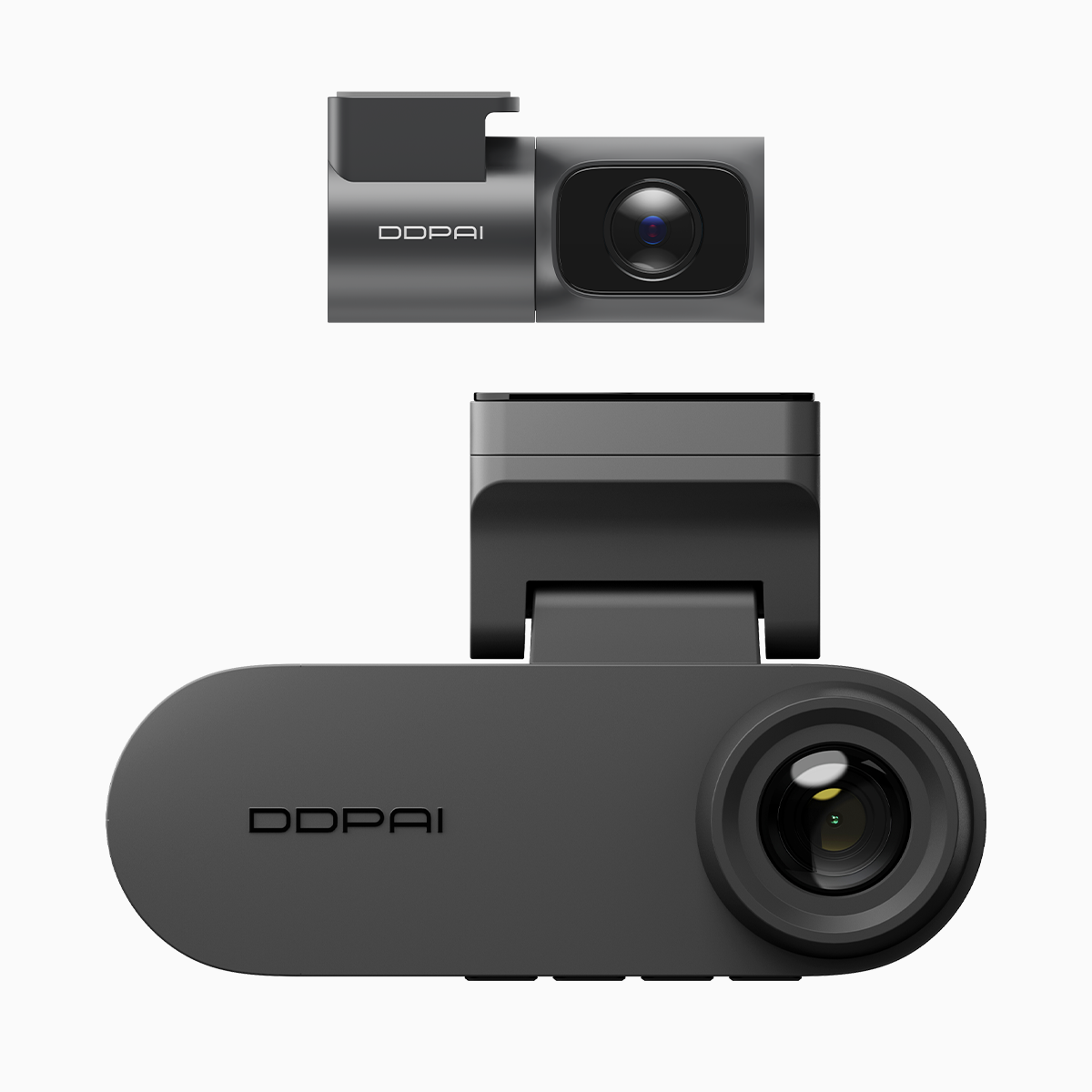
One may assume that a dash cam is simply a camera on your windshield; one would be politely wrong. Commuting along EDSA demands different priorities than cruising north to Baguio or south to Batangas. For city-centric risk—frequent low-speed collisions, crowded intersections, and sudden lane changes—you want reliable evidence: high resolution, sensible frame rate, and competent night performance. A practical model to consider early in your shortlist is the dual dash cam with night vision, which balances wide dynamic range and parking mode for both urban and out-of-town use.
Daily EDSA Commuting: Priorities That Actually Matter
EDSA’s grind means many incidents occur at low speed or when your car is stationary. Priority one is clear footage of license plates and faces in mixed lighting—so WDR (wide dynamic range) and effective night vision are non-negotiable. Compact form factor and discreet installation matter too; you don’t want your mirror cluttered during rush hour. Parking mode, automatic incident detection, and loop recording keep continuous coverage without constant user fiddling. In a motorway populated by jeepneys and impatient lane-changers, these features translate to saved hours at insurance counters and calmer conversations with tow-truck operators.
Long-Distance Road Trips: Different Stresses, Different Solutions
On extended drives, the dash cam’s endurance becomes the technical protagonist. Heat tolerance, battery drain, storage capacity, and GPS tagging are top concerns. High bitrate recording and dependable loop recording preserve long stretches of travel without stuttering artifacts. The dual-camera arrangement—front and rear—handles highway incidents and roadside surprises, while an integrated GPS provides verified speed and coordinates for any formal report. If your itinerary includes rural stretches with minimal street lighting, pairing a robust unit with proven night vision—car dashcam with night vision—reduces blind spots and post-trip puzzles.
Feature Comparison: What to Measure, Not Admire
Concrete comparisons clarify choices more than pretty marketing copy. Consider these practical contrasts:
– Visibility: WDR and night vision outperform oversized sensor claims in urban canyons.
– Storage: Larger microSD and efficient compression (balanced bitrate) matter most for long trips.
– Power: For EDSA, hardwire to keep parking mode alive; for road trips, choose low-power draw and heat-resistant capacitors.

– Data: GPS + timestamp beats vague recollection every time.
Common Mistakes and Reasonable Alternatives
Many buyers pick the fanciest spec sheet and then complain about real-world results—predictably amusing. Typical errors: relying on cheap microSD cards, neglecting firmware updates, and assuming a suction mount equals permanence. Installation angle is often set too low, capturing bonnet and not the road. A sensible alternative to swapping units is prioritizing firmware support and microSD class over headline megapixels. Also consider single-channel units if rear coverage is rarely needed; dual-channel is best when you face both rear-end risks and scenic evidence for social proof—yes, people do that now.
Three Golden Rules for Evaluation
To finish with practical metrics: first, image clarity under mixed lighting—test both day and night footage for license plate legibility. Second, system reliability—firmware update frequency, heat testing, and stable loop recording without corrupt files. Third, installation and support—warranty, local service presence, and straightforward hardwire options. Apply these rules and the choice stops being fashionable and becomes functional.
The comparative exercise shows that a thoughtful dual-camera setup with proven night vision closes most gaps between city commuting and long-distance travel; DDPAI’s balance of resolution, parking mode, and GPS support makes it a natural fit for drivers who want evidence without drama. DDPAI Philippines — practical, supported, and quietly efficient. —