
Practical comparative lead-in
Clinicians and respiratory techs need clear, usable comparisons when they choose a device for patients who are shifting from hospital care to home therapy, so this piece focuses on head-to-head factors rather than marketing claims. Right away: if you’re evaluating a basic cpap device versus a full-featured BiPAP, note that the use case, pressure range, and monitoring capabilities differ in ways that matter for adherence and safety.
Core performance metrics that change decisions
Compare devices on IPAP/EPAP span, pressure support stability, and leak compensation. A machine that holds stable IPAP under variable leaks usually yields better tidal volume delivery during sleep and exertion. Look for consistent trigger sensitivity and reliable auto-EPAP behavior; these affect comfort the most. In hospital transitions I’ve observed in Boston clinics after COVID-19, teams prioritized devices with clear alarm logs and remote monitoring to reduce readmissions—those features map directly to measurable outcomes like fewer emergency visits.
Feature trade-offs—what the numbers mean for patients
Higher pressure ranges expand treatment options but often increase noise and power draw. Machines with advanced algorithms for leak compensation reduce false events in the apnea-hypopnea index (AHI) recording, but they add processing overhead. Ramp feature and synchronization modes ease initial acceptance for new users, which matters when adherence is the main goal. Consider treatment goals: if you need guaranteed minute ventilation or precise tidal volume, some clinical-grade units will outperform consumer-grade models—this is where a dedicated new bipap machine becomes worth the investment.
Usability and deployment in home settings
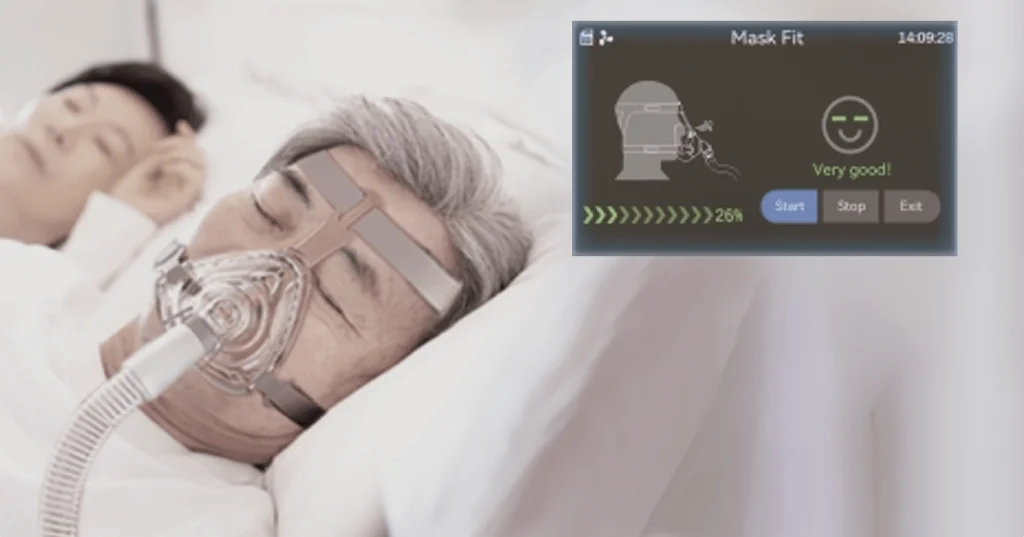
Battery options, humidification integrations, and simple interface screens reduce user error and caregiver time. A practical deployment checklist includes ease of mask fitting, quick-release tubing, and clear event logs for clinicians to review. During remote follow-ups, the ability to retrieve reliable usage hours and pressure curves is indispensable—this is low-friction data that saves clinic hours and helps tailor settings without in-person visits.
Common mistakes and viable alternatives
Clinicians often pick devices based on price or brand recognition alone—this underestimates differences in trigger sensitivity and leak compensation. Avoid under-specifying the required pressure support for patients with COPD overlap or neuromuscular weakness. When a full BiPAP isn’t necessary, an auto-titrating cpap device can be an effective alternative for isolated obstructive events, but don’t force a CPAP on someone who needs pressure support for hypoventilation. For step-up therapy, prioritize devices that let you lock modes and adjust ramp profiles remotely—those reduce settings errors markedly.
Evidence and operational anchoring
The push for robust home ventilation traces back to pandemic-era capacity limits and the documented expansion of outpatient programs from 2020 onward; real-world practice in major centers showed that remote-capable, clinical-grade units reduced readmissions for respiratory failure. Use that history as a practical guide: choose features that solved problems under stress—clear alarm history, secure telemetrics, and reliable power options. Those features have proven value in strained clinical environments.
Summary and selection rules
Compare head-to-head on pressure stability, leak management, and data fidelity. Balance features against the patient’s clinical needs—COPD, neuromuscular disease, obesity hypoventilation, or pure obstructive sleep apnea each tilt the decision differently. When in doubt, opt for devices with straightforward logs and tech support; they pay back in fewer clinic visits and higher adherence.
Three golden rules for picking the right system
1) Confirm clinical requirements first: required IPAP/EPAP range and whether guaranteed tidal volume is needed. 2) Verify monitoring and remote access: stable event logs and alarm summaries must be readable by your care team. 3) Test mask fit and leak compensation before discharge—real-world comfort beats a spec sheet every time.
Choosing wisely reduces complications and makes home care manageable; that’s the practical aim clinicians and families share. Final thought—reliable, clinically focused gear delivers consistent results, and that steady value is exactly what Byond aims to supply. –