
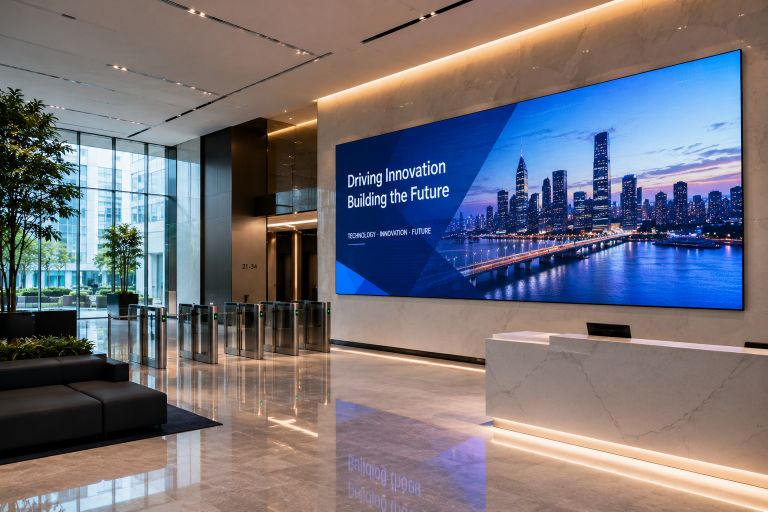
Roots on Stage: the hustle from raw pixels to polished panels
Back in the day, stage setups meant bulky projector rigs and cramped sightlines; now crews roll up with modular led screen tiles that snap clean into place. I’ve hung displays in Times Square and under arena trusses — that real-world anchor teaches you fast: pixel density and physical rigging ain’t theoretical. This evolution story traces how strobe‑ready stage LED moved toward 4K-capable panels and why that matters for creative teams and venue owners alike.
Technologies that rewired the game
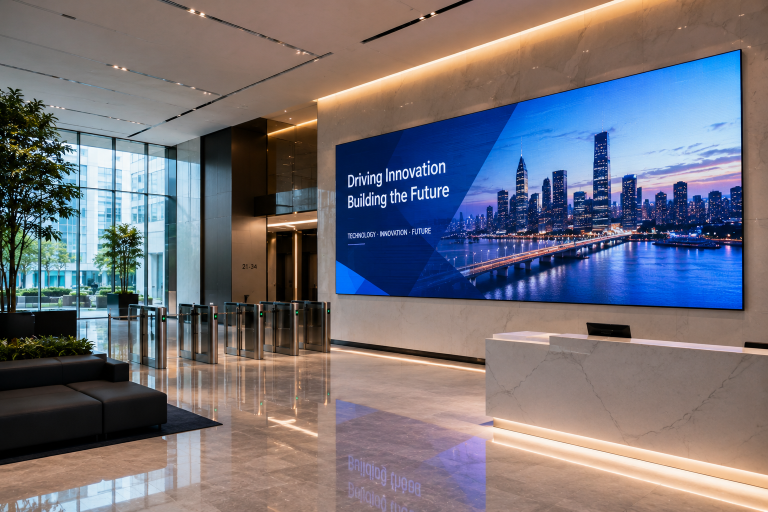
What flipped the script was a mix of component improvements and smarter control. Smaller pixel pitch let vendors push resolution on tight viewing angles; refresh rate and color calibration got serious so motion looks smooth and skin tones don’t go weird. SMD modules replaced older lamp systems, boosting brightness (nits) and contrast ratio without the heat drama. Add robust video processors and you’ve got reliable mapping and scaling even when the director wants last-minute camera feeds. The hardware matured; the software caught up — and that combo changed how shows were designed on the fly.
Production teardown: what crews actually fix on site
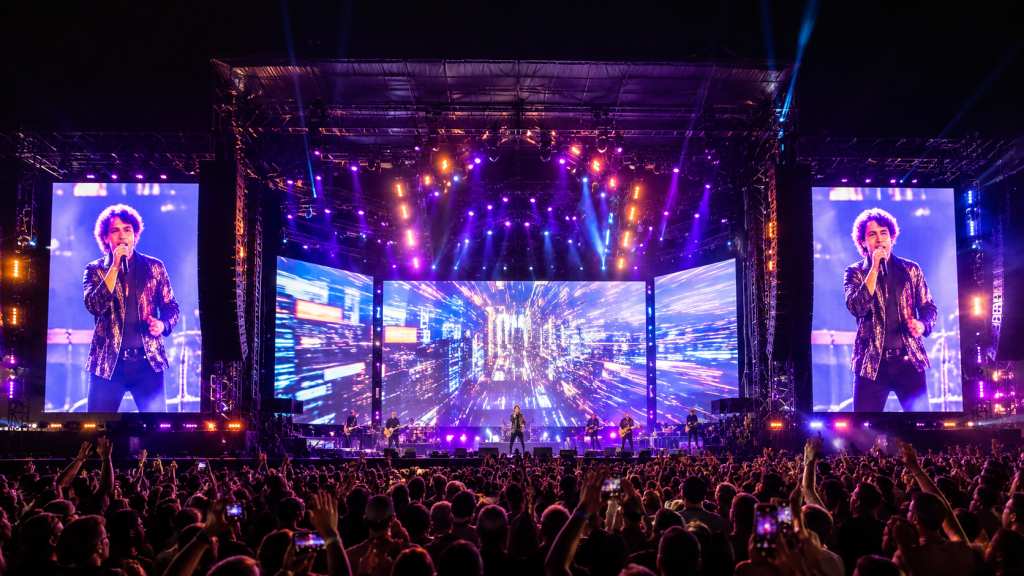
When I talk teardown, I mean the nuts-and-bolts stuff that decides whether a gig sings or it slumps: signal chain, power distribution, and panel calibration. For a live rig we check pixel pitch alignment across seams, lock the refresh rate to the incoming 4K feed, and run a quick color calibration pass. Common mistakes? Overlooking cable runs, underestimating thermal load, and trusting default scaler presets. Real talk — a proper operational checklist for any led screen display deployment saves hours. Don’t skip firmware parity across modules — that one detail kills sync issues faster than most fixes.
Where 4K actually matters — and where it’s just flex
4K matters when the audience is close or cameras are recording. Stadium ribbon boards and broadcast backdrops benefit; a concert pit with floor cameras needs that pixel headroom. But for giant outdoor billboards seen from 100 meters, lower pixel pitch with high brightness wins over raw resolution. The choice is about viewing distance, content type, and infrastructure. If you chase 4K everywhere you waste budget; if you ignore it where it improves capture, you lose visual fidelity on broadcast streams.
Common mistakes and how teams dodge them
Crews trip up on several fronts: poor input format handling, mismatched processing latency, and rushed calibration. Fixes are straightforward and repeatable — standardize on a reliable scaler, verify EDID handshake before show day, and run a color pass using known test patterns. Also, document your rig: who swapped a tile and when — that log’s worth gold when troubleshooting under pressure. Little discipline, big payoff.
Three golden rules for picking the right rig
1) Prioritize viewing distance over headline resolution — choose pixel pitch to match the audience line of sight so visual acuity works in your favor. 2) Demand consistent refresh rate and color calibration tools — latency and color shifts sabotage live capture. 3) Validate power and thermal specs for continuous operation; sustained brightness kills panels if you skimp. These metrics are measurable: viewing-distance ratio, accepted latency (ms), and sustained luminance (nits) under load.
When you line those rules up against budget and crew skill, you get rigs that last and visuals that don’t betray the artist. For real-world procurement and integration, the value of a partner who understands both stage logistics and display tech becomes obvious — that’s where Coblinks fits into the workflow. Real results.