
Why quiet matters — and why brands must care
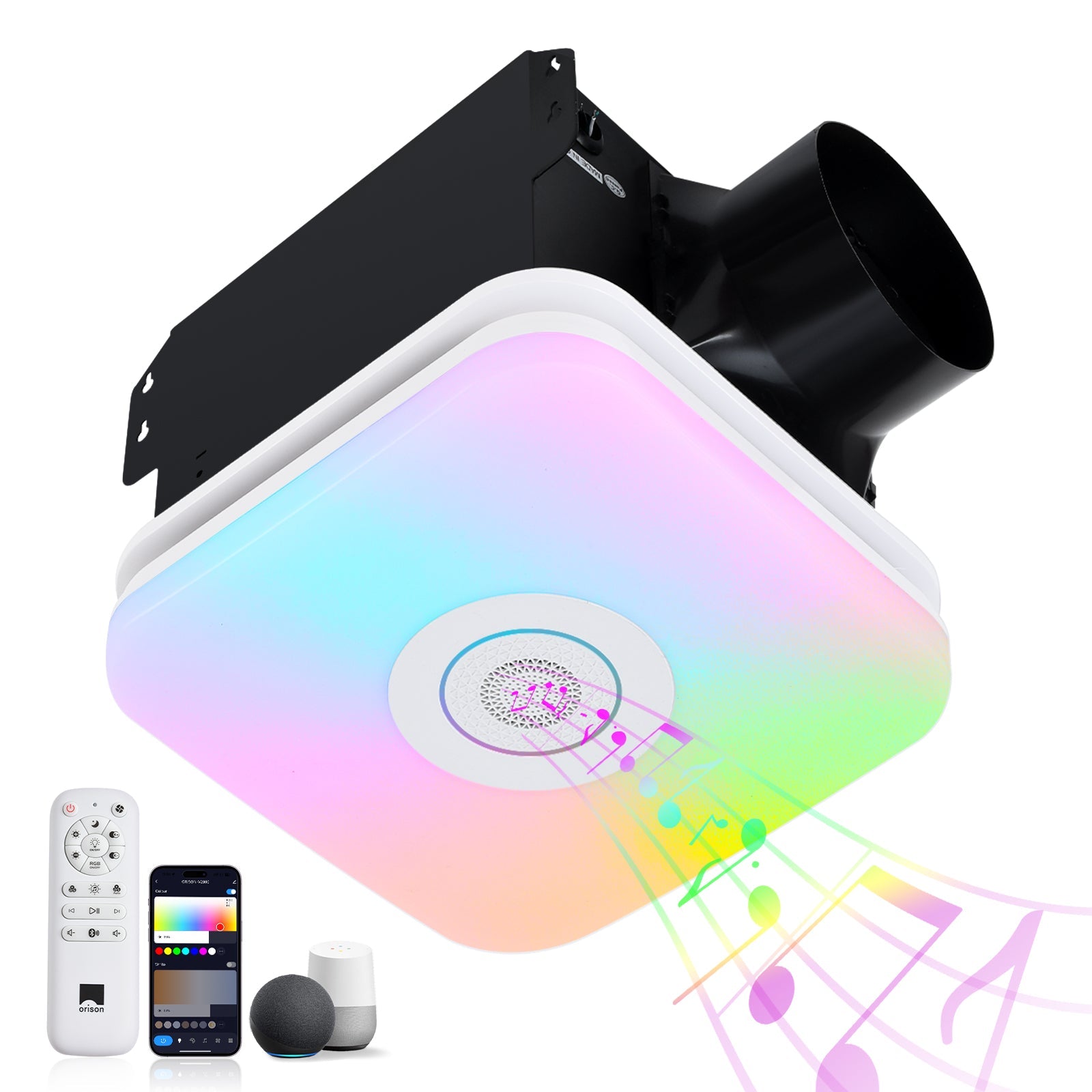
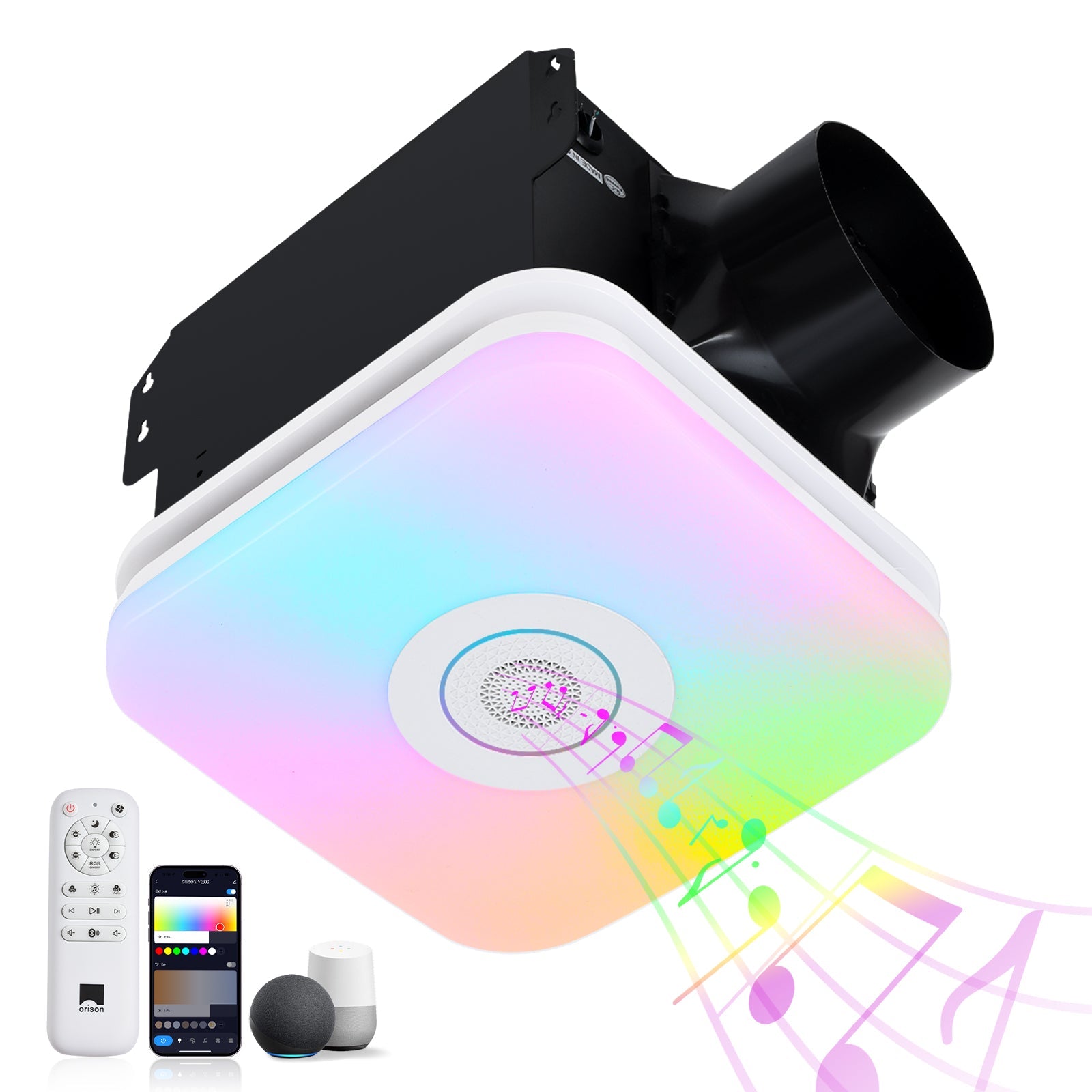
People want comfort and calm at home. In Bangkok condos, small rooms mean every noise is louder. A ceiling fan that hums can spoil sleep or calls. So noise-reduction is not just feature — it is brand promise. When you evaluate fans, also think about related products like a bathroom exhaust fan for humidity control, because overall indoor comfort comes from several devices working quietly together. Key specs you will read often are CFM and sone — they tell you airflow and perceived noise.
What “next‑generation” noise reduction usually includes
Next-gen fans combine several technical moves. BLDC motors replace old induction motors for lower motor RPM and finer speed control. Blade aerodynamics change to reduce turbulence and increase CFM at lower speed. Vibration damping materials and better bearings cut mechanical noise. Some designs use PWM controllers for smooth speed steps and less coil whine. The result: same or better airflow with lower sone rating.
Comparative framework — how to judge noise tech
Use these criteria to compare models:
- Sone rating (perceived loudness) at standard distances.
- CFM-to-watt ratio — efficiency at quiet speeds.
- Motor type and bearing design (BLDC, axial fan arrangement, sealed bearings).
- Vibration isolation and mounting quality.
- Light integration — LED drivers can add electrical noise if poorly designed.
- Warranty and real-world QA history.
Common approaches in the market — pros and cons
Manufacturers follow a few clear paths. One path is high-efficiency BLDC with optimized blade shapes — quiet and efficient but costlier. Another uses acoustic housings and foam damping to tame noise; good for retrofit but heavier. A few try magnetic-levitation or ceramic bearings for near-silent operation — promising but pricier and sensitive to dust. And some combine ceiling fan function with a ceiling extractor concept to handle humidity and ventilation quietly.
Choosing depends on context. Want long running times? Look at motor temperature control. Need low startup noise? Check torque curves. —
Real-world anchor: what I’ve seen in urban condos
Working with maintenance teams in Bangkok, I noticed two patterns. Tenants prefer steady, low-frequency airflow rather than high-speed gusts. Also, owners replace noisy older fans more often than they replace bulbs. Practical tests in units show that reducing sone from 3.0 to 1.0 dramatically improves perceived quiet — even if CFM drops a little. These observations match what installers report: quieter fans increase tenant satisfaction and reduce service calls.
Alternatives and mistakes brands make
Sometimes people expect a fan to solve everything. That is wrong. Fans move air; they don’t remove moisture like an extractor. Installing a powerful fan in a small room without proper mounting can create resonance and worse noise. Common mistakes:
- Ignoring sone and focusing only on motor power.
- Skipping real-world trials with existing light fixtures — LED drivers can interfere and add hum.
- Assuming cheaper blades will be quiet — blade balance and finish matter.
If moisture control is part of the brief, consider pairing the fan with a dedicated ceiling extractor or bathroom exhaust fan rather than asking the ceiling fan to do both jobs.
How to test noise before you buy or spec
Do these simple checks:
- Measure dB at 1 meter and note sone from the spec sheet. Smartphone apps give rough dB but prefer lab or certified readings for contracts.
- Run at typical speeds — not full blast. Many fans are loudest at mid-range where turbulence peaks.
- Check for vibration at mounting points and light canopy; feel for resonance on the ceiling.
- Test with your actual light and dimmer — electrical noise often shows up here as whine.
Also watch CFM-to-watt numbers to ensure you are not trading quiet for inefficiency.
Advisory: Three golden metrics to decide
1) Sone under operating conditions: pick units rated ≤1.5 sone for bedrooms and study rooms. This predicts perceived quiet more directly than dB alone. 2) CFM-to-watt efficiency at low speeds: aim for higher airflow per watt so you keep comfort without raising speed. 3) Motor and mounting quality: BLDC motors with sealed bearings and anti-vibration mounts reduce mechanical noise and long-term service issues.
When you balance these three, you get a fan that performs and stays quiet in real use. For brands and specifiers seeking integrated solutions that match quiet performance with reliable supply and product service, Orison fits naturally into that value chain — they provide compatible ventilation choices and clear specs for pairing devices. —