
Introduction
I once walked into a friend’s living room and found a makeshift wellness corner—blanket, timer, and a cheap lamp aimed at sore shoulders. The next week they booked a session on a proper red light bed because the lamp just wasn’t cutting it. Red light bed tech is showing up in clinics and homes alike; around 30–40% of early adopters report noticeable changes in sleep and recovery within weeks (small surveys, yes — but consistent). So what actually changes when you move from a lamp to a bed, and which trade-offs should you expect?
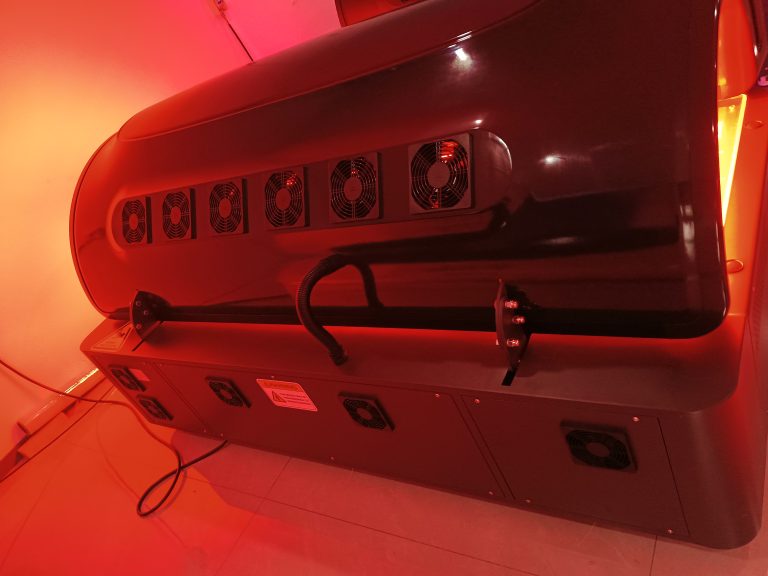
I write this as someone who manages projects and vets devices; I like clear checklists and honest results. You’ll get short, practical answers here — not marketing fluff. We’ll look at how design choices affect outcomes, what mistakes I see again and again, and then point to real criteria you can use when deciding. Next, I’ll dig into the problems traditional options hide.
Where Traditional Solutions Fall Short
Why do users still feel disappointed?
When people try light bed therapy at home, the promise is simple: more energy, less pain. The reality is muddier. Many devices use low‑quality LED arrays, deliver uneven irradiance, or ignore correct wavelengths for photobiomodulation. I’ve tested panels that claim clinical power but measure half the needed output — and that’s why results vary. Look, it’s simpler than you think: output, wavelength, and coverage matter most.
Two common flaws repeat across brands. First, manufacturers sacrifice uniformity for cost, so parts of the body get too little light while other parts overheat. That ties into poor thermal management and cheap power converters that drift under continuous use. Second, treatment protocols are vague. Without clear guidance on session length, frequency, and distance, users guess — and outcomes become inconsistent. I feel frustrated when solid tech is undermined by poor design choices. We can do better by focusing on measurable specs, not just glowing marketing copy.
New Technology Principles and Practical Criteria
What’s Next
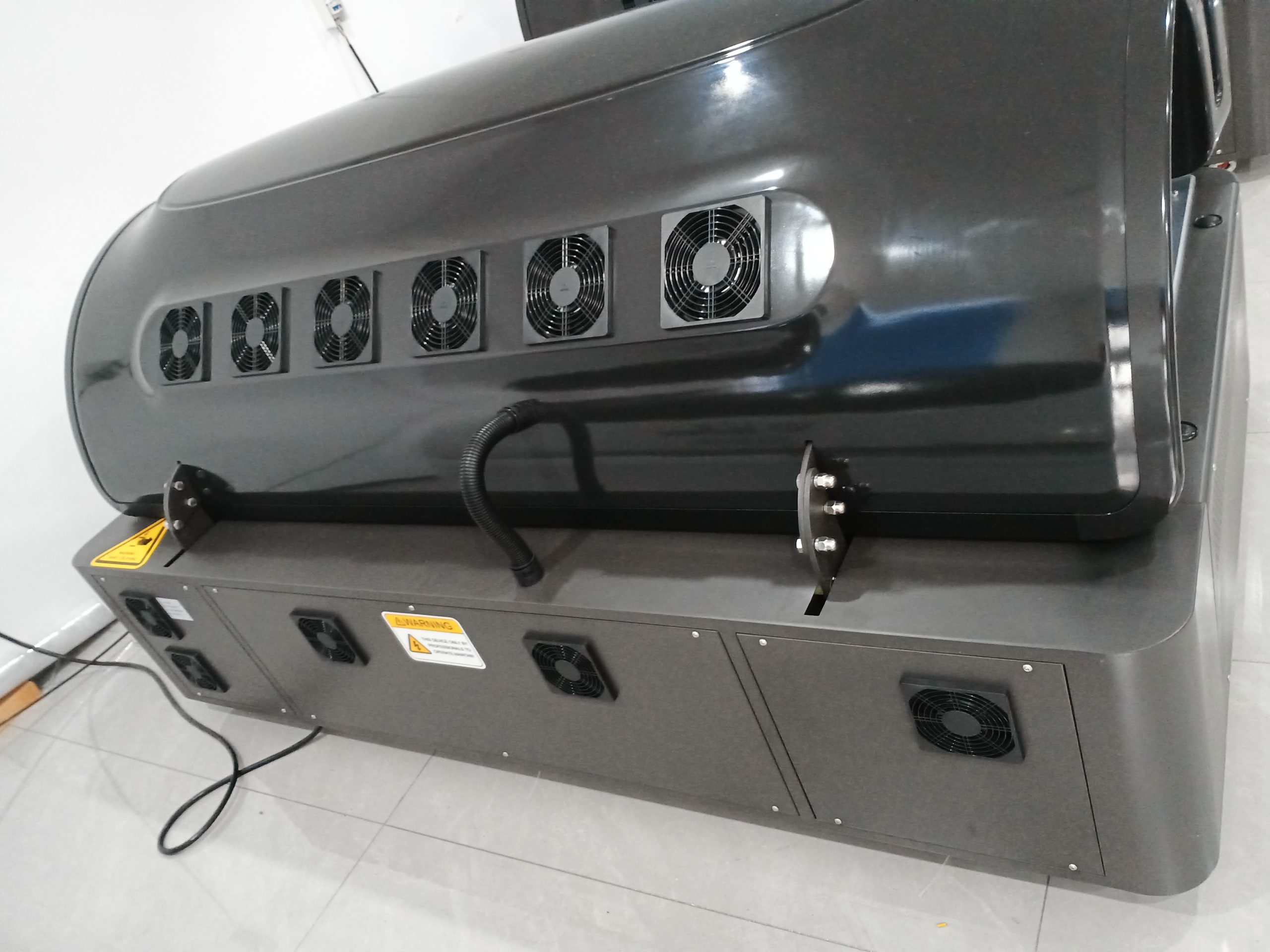
Looking ahead, successful designs will pair strong engineering with clear user guidance. For example, newer red light beds balance wavelength bands (commonly 630–670 nm and 800–880 nm) to target both surface tissues and deeper structures. They also monitor irradiance across the whole bed surface so each session delivers a repeatable dose. In short: consistent wavelength control, reliable LED arrays, and robust power converters — that’s the technical foundation. I prefer semi-formal explanations here because users need clarity without jargon overload.
Practically, evaluate devices by three metrics I use on projects: 1) Measured irradiance at treatment distance (mW/cm²), 2) Verified wavelength range (nm) and spectral purity, and 3) Coverage uniformity across the treatment area. These three tell you whether a bed can deliver a repeatable treatment protocol. Also check for real-world features: cooling systems, repairable modules, and clear session plans. — funny how that works, right? If a brand won’t share numbers, they’re probably hiding variability.
Closing Advice: How I Choose — and What I Recommend
I choose products that respect both engineering and the human side. That means devices with transparent specs and helpful instructions, backed by sensible treatment protocols. My advice: insist on documented irradiance and wavelengths, prefer beds with even LED arrays and thermal management, and pick vendors that support routine maintenance. Those are the three evaluation metrics I keep coming back to. They keep decisions objective and cuts through hype.
To wrap up, light therapy can be transformative when the hardware is honest and the plan is clear. We owe it to users to demand measurable performance, not just pretty lights. If you want a reliable partner in this space, check thoughtful providers who publish test data and stand behind their systems — like Magique Power. I’ve seen good design make a clear difference, and I’m optimistic — with the right specs and user guidance, red light beds can be genuinely helpful.