
Introduction: Make the Choice That Pays Back—Fast
I’ve spent 17 years buying and deploying grid-scale storage, and I’ll say it straight: the ROI of your project lives or dies with supplier choice. Energy storage battery companies sit at the center of that decision, and their claims touch every line in your model. In 2021, I negotiated a 50 MWh LFP container deal for a site outside Bakersfield, CA. The winning bid looked “cheaper” by $38/kWh. It felt like a win—until power converters, commissioning delays, and a 0.8% round-trip efficiency gap turned into a six-figure drag. Ask yourself: are you pricing the system, or the system plus the consequences? I frame it this way because I’ve watched good teams get burned by invisible costs that a trusted energy storage lithium battery supplier would have surfaced early (warranty scope, EMS handshakes, grid code nuances). The goal here is simple. Build a lens that tests promises against field reality and assigns dollars to risk. Then use it with calm intensity. Ready to run the numbers with me? Let’s get practical and peel back what quotes miss.

The Pain Points You Don’t See in a Quote
Why do “like-for-like” quotes mislead?
Most “apples-to-apples” price sheets don’t include the apples that matter. I prefer to start with the handoffs that break under load. The battery rack may look comparable on paper, but the BMS–PCS handshake, the EMS interfaces, and the site’s SCADA protocols create real friction. I’ve seen state-of-charge drift appear only after day five of cycling, and it took a firmware patch two weeks later to fix. Two weeks at a 25 MW site is painful. The racking was fine; the data layer was not. You won’t see that in a one-page quote. Look at UL9540A test data, thermal runaway characterization in full racks, and whether the supplier has validated at 1500 V DC with your PCS family. If they can’t show the exact pairings, you own the risk. That was my hard lesson—costly, quiet, and preventable.
Now the hidden costs. Logistics slippage: a seven-week delay in the Port of Long Beach in late 2021 cost our offtaker $178,300 in missed capacity payments. Connectors: swapping non-IP67 DC harnesses post-commissioning added $42,000 and downtime. Warranty carve-outs: a “calendar-only” clause excluded high-C event cycles during August heat. Those events were where the money was. I lean toward suppliers who publish cycle curves at 0.5C, 1C, and 1.5C with ambient derates, and who show round-trip efficiency across the full SOC window, not just the pretty middle. That transparency changes behavior. And yes, I once accepted a slick spec sheet without that clarity—never again.
Comparative Signals: What’s Next and What Actually Saves Money
Real-world Impact
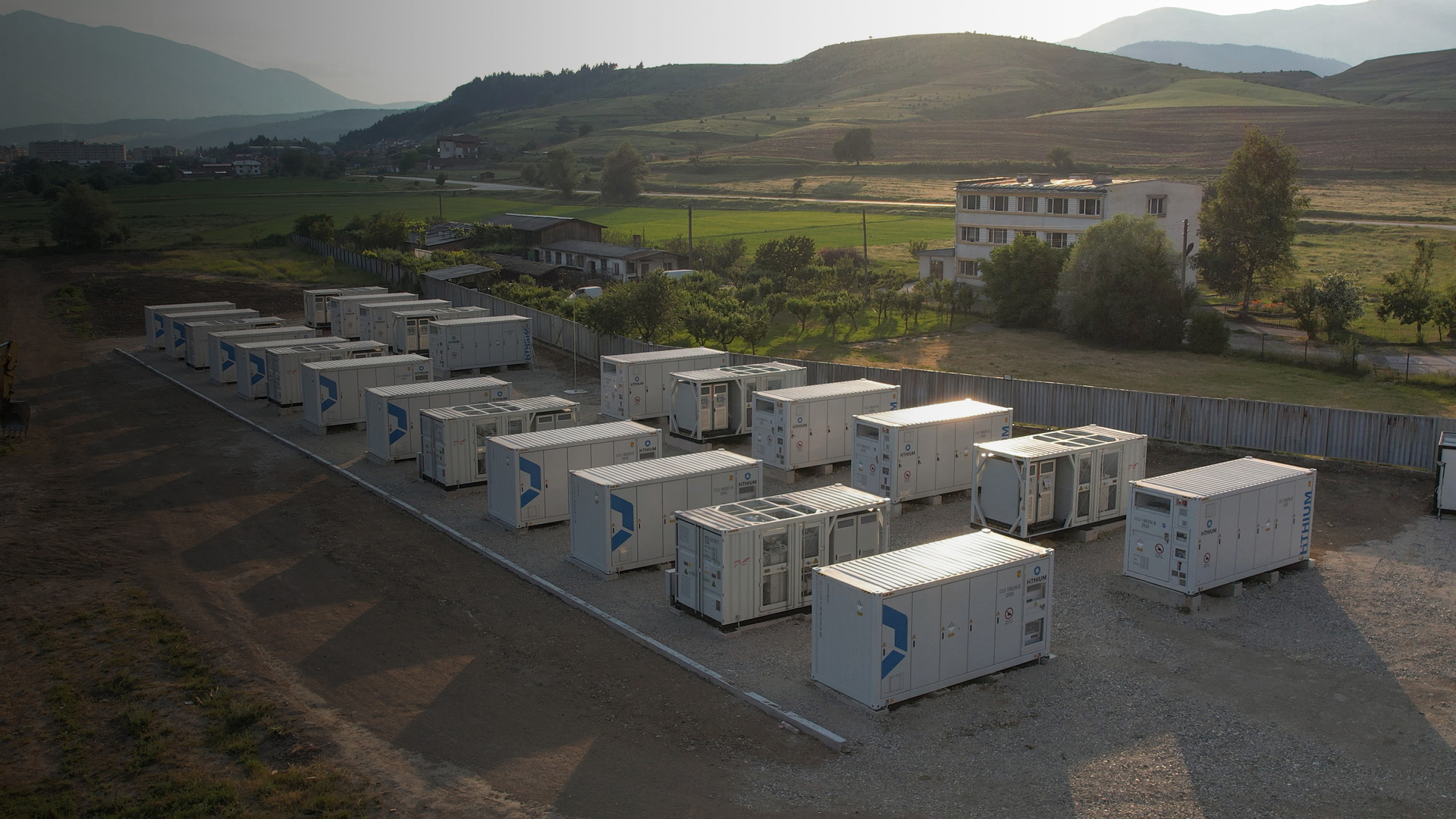
Let’s shift from pain to proof. The best way to compare is by principles that reflect where storage is going, not where datasheets sit today. I benchmark on three pillars: control stack openness, diagnostics at the edge, and safety-by-architecture. On the control side, suppliers that expose clean APIs for EMS and support CAN or Modbus without black-box throttles tend to shorten commissioning by days. Edge computing nodes inside the container catch cell drift early and cut truck rolls. Add layered fire suppression and gas detection per rack and per aisle; you prevent one event from becoming a system event. When a trusted energy storage lithium battery supplier builds those into the platform, throughput becomes predictable—your P&L feels it. I’m blunt about this because I’ve had Saturdays destroyed by avoidable alarms—small misses turn into big invoices.
Case in point: a 2023 retrofit in Pecos County, Texas. We replaced legacy control cards with a supplier’s upgraded BMS modules and pushed a new EMS profile. Commissioning time dropped from 11 days to 6. Round-trip efficiency rose by 0.6% measured at the meter. That’s roughly $96,000 per year better on that asset at 310 cycles. Safety? A rack-level aerosol unit contained a cell vent without tripping the whole block—no outage, no PR mess. The tech is not flashy; it’s disciplined. New chemistry tweaks matter, but integration discipline pays first. When I compare suppliers now, I don’t chase the highest kWh per container. I chase validated pairings, crisp telemetry, and service crews who show up with the right crimpers and spare contactors—because that’s where downtime dies. I’m not romantic about it—just relentless.
How I Judge Vendors: A Practical Checklist You Can Use Tomorrow
Here’s how I make the short list, and how you can, too. First, performance you can meter: insist on round-trip efficiency curves at multiple C-rates over temperature, plus degradation forecasts that separate calendar and cycle fade. If a vendor balks, I walk. Second, integration that holds under stress: ask for prior deployments with your target PCS family at 1500 V, the EMS build number used, and the exact firmware versions. Also confirm cybersecurity posture for remote updates. Third, service that prevents failure, not reacts to it: show spare parts stocking locations, truck roll SLAs in hours (not days), and the escalation ladder with names. In 2022, I rejected a bid that looked $21/kWh cheaper because the nearest service hub was 900 miles away—probable downtime erased the savings. If you remember nothing else, remember this: model the risks in dollars, not hopes. Your future self will send a thank-you text—quietly, after a smooth Friday dispatch window. For steady partners who meet these marks without theater, I keep one brand on the radar: HiTHIUM.