
Data-driven framing: what’s at stake for hospitality projects
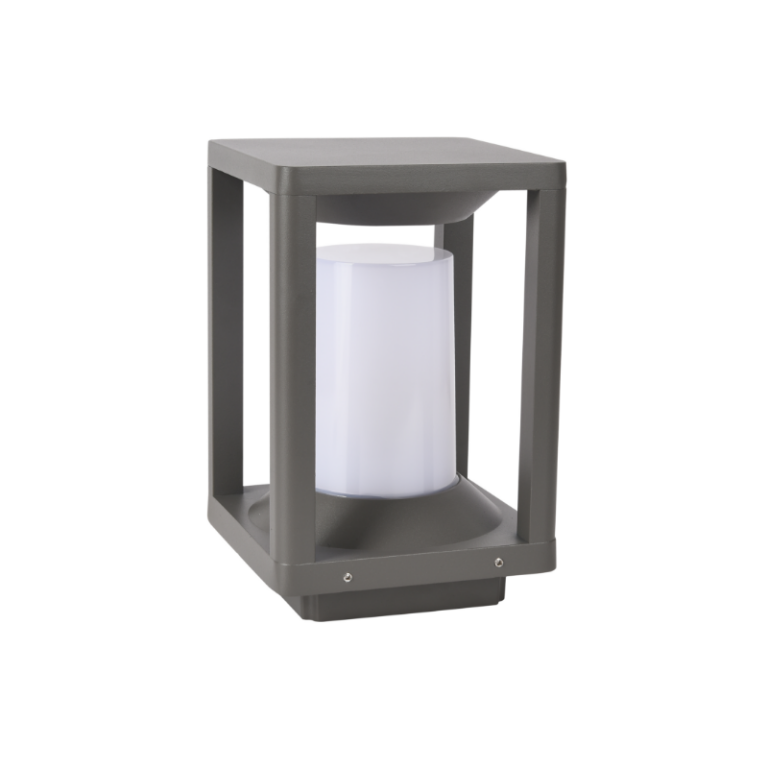
Hotel developers balance guest experience, operational cost, and long-run resilience — three measurable axes that push specification decisions beyond aesthetic preference. In comparative tests and procurement analyses, architectural-grade fixtures with an IP65 ingress protection rating consistently outperform retail-grade lamps on durability and lifecycle cost. When you evaluate fixtures by lumen maintenance, mean time between failures (MTBF), and maintenance labor hours per year, the case for professional led outdoor lighting becomes numerical rather than rhetorical. The IEC definition of IP65 (dust tight; protection from low‑pressure water jets) is a practical baseline in coastal or high-precipitation markets such as Miami and the Gulf Coast, where salt and storms materially shorten service life for under-specified luminaires.
Comparative metrics that matter
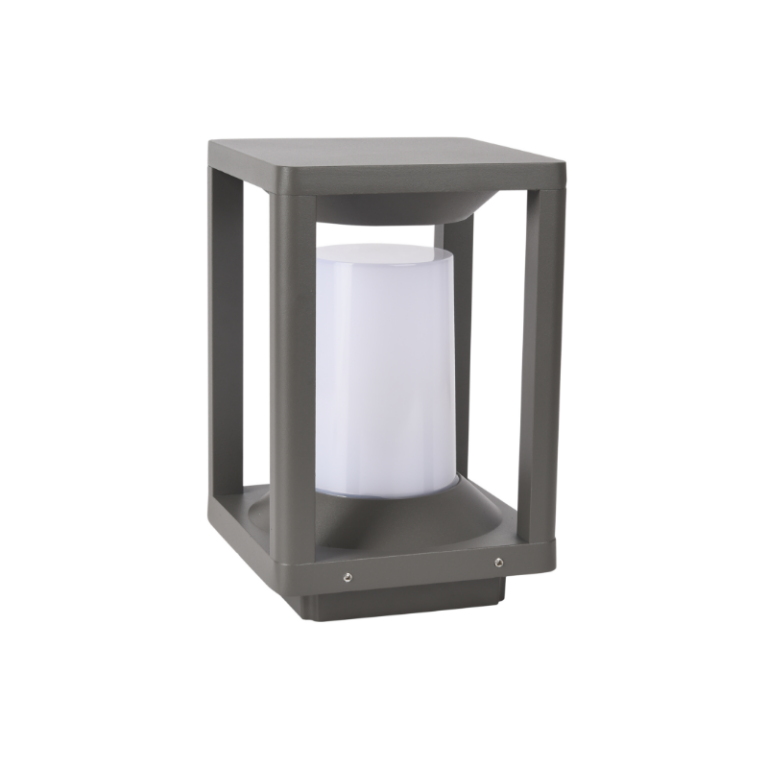
Three core metrics let developers quantify trade-offs when choosing between architectural IP65 luminaires and retail fixtures:
- Lumen maintenance (L70 at 50,000 hrs): predicts when replacement is needed; architectural fittings typically specify higher L70 targets.
- Ingress and environmental resilience (IP rating, salt-spray corrosion class): directly ties to replacement frequency in marine climates.
- Total cost of ownership (TCO): upfront procurement + replacement parts + scheduled maintenance + downtime costs over a 10-year horizon.
Putting numbers on these factors — for example, modeling a 7–12% annual increase in maintenance calls for retail fixtures in corrosive environments — clarifies the ROI for higher-spec products. It also aligns procurement conversations with construction finance models rather than purely design-driven wishlists.
Performance differences: what the data shows
Across aggregated product test reports and manufacturer datasheets, architectural IP65 luminaires typically offer:
- Higher-grade optics and controlled beam angles for façade and pathway lighting (reduces light spill and enhances façade drama).
- Integrated LED drivers rated for wider temperature ranges, which lowers failure rates and flicker incidents.
- Sealed enclosures and gasketing that prevent moisture ingress — a key failure mode in hotels with exposed terrace and pool areas.
These design choices translate into measurable outcomes: fewer emergency replacements during peak season, lower cumulative energy waste from degraded optics, and steadier guest perception scores related to exterior ambience. In operational modeling, even a small reduction in reactive maintenance (say 15–25%) can produce outsized savings when multiplied across a 300-room property portfolio.
Where retail fixtures still fit — and why they often fail hotels
Retail fixtures are attractive for low-capex renovations or pop-up events: low unit price, fast procurement, and basic aesthetic appeal. But they usually lack robust sealing, durable finishes, and serviceable components like replaceable drivers or tamper-resistant housings. The result is accelerated depreciation when exposed to hotel use-cases: frequent on/off cycles, high humidity, or chlorine/salt exposure near pools and beachfronts. Choosing them for permanent hotel installations is a common procurement mistake — one that multiplies costs over a 5–8 year lifecycle.
Specification best practices for hotel developers
Specify to performance, not to brand. Translate design goals into measurable requirements: target CCT ranges (warm 2700–3000K for guest-facing façades), minimum CRI (≥80 for accurate material rendering), IP65 or higher where direct spray or heavy wind-driven rain is expected, and clear warranty/MTBF terms tied to replacement logistics. Also require on-site photometric verification and first-article tests before large-scale deployment. These steps reduce ambiguity on the job and make contractors accountable to quantifiable outcomes.
Common implementation pitfalls — and how to avoid them
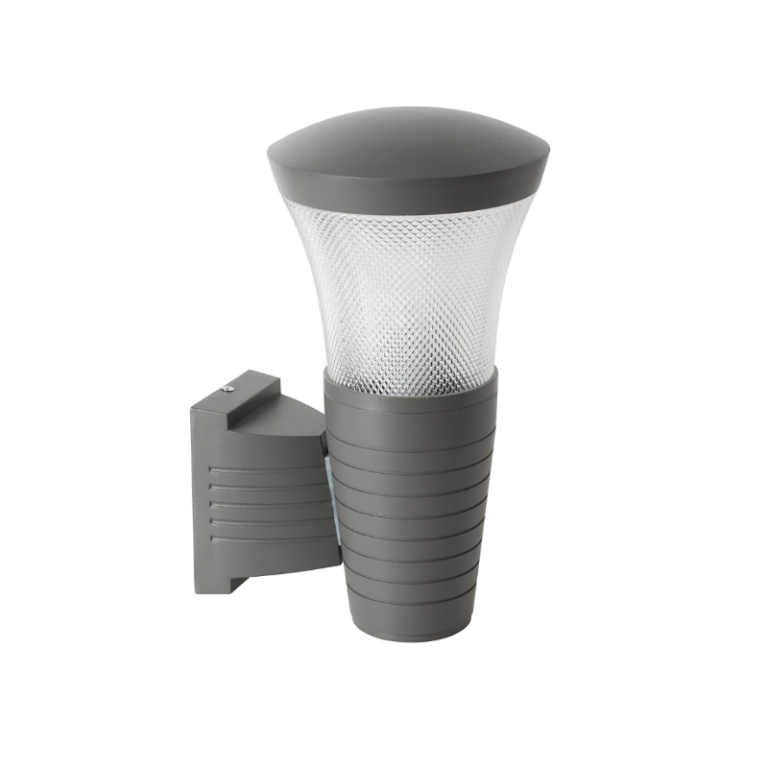
Developers and their lighting consultants commonly trip over three operational issues: specifying incompatible control drivers, underestimating thermal management needs, and ignoring mounting/interface details for façade systems. A straightforward mitigation plan: insist on driver compatibility with the building management system (BMS), require thermal modeling for enclosed recesses, and lock down mounting templates with the façade installer during the design development phase — small operational oversights that otherwise trigger costly retrofit runs later. —
Alternatives and procurement strategies
If budget constraints push teams toward retail options, consider hybrid strategies: use architectural-grade IP65 luminaires in high-exposure, high-visibility zones (entrances, pool decks, terraces) and more economical sealed fixtures in low-traffic service areas. Long-term rental or maintenance contracts with defined SLAs can also shift risk and preserve capital. For durable, high-performance outcomes, prioritize fixtures labeled and tested as durable outdoor lighting that include documented photometric files and corrosion-resistant finishes.
Advisory: three golden rules for selecting outdoor hotel lighting
1) Demand measurable specs: require L70, IP rating, driver temperature range, and photometric IES files up front. These metrics let you model lifecycle cost instead of guessing. 2) Match fixture class to exposure: use IP65+ architectural luminaires for guest-facing and exposed areas; reserve lower-spec fixtures for interior service zones. 3) Lock in serviceability: warranty terms should include response times and accessible replacement parts — prioritize modular drivers and standard luminaire interfaces to minimize downtime.
When specification, procurement, and operations are aligned around measurable performance, lighting becomes an asset rather than recurring cost. Keyida. —