
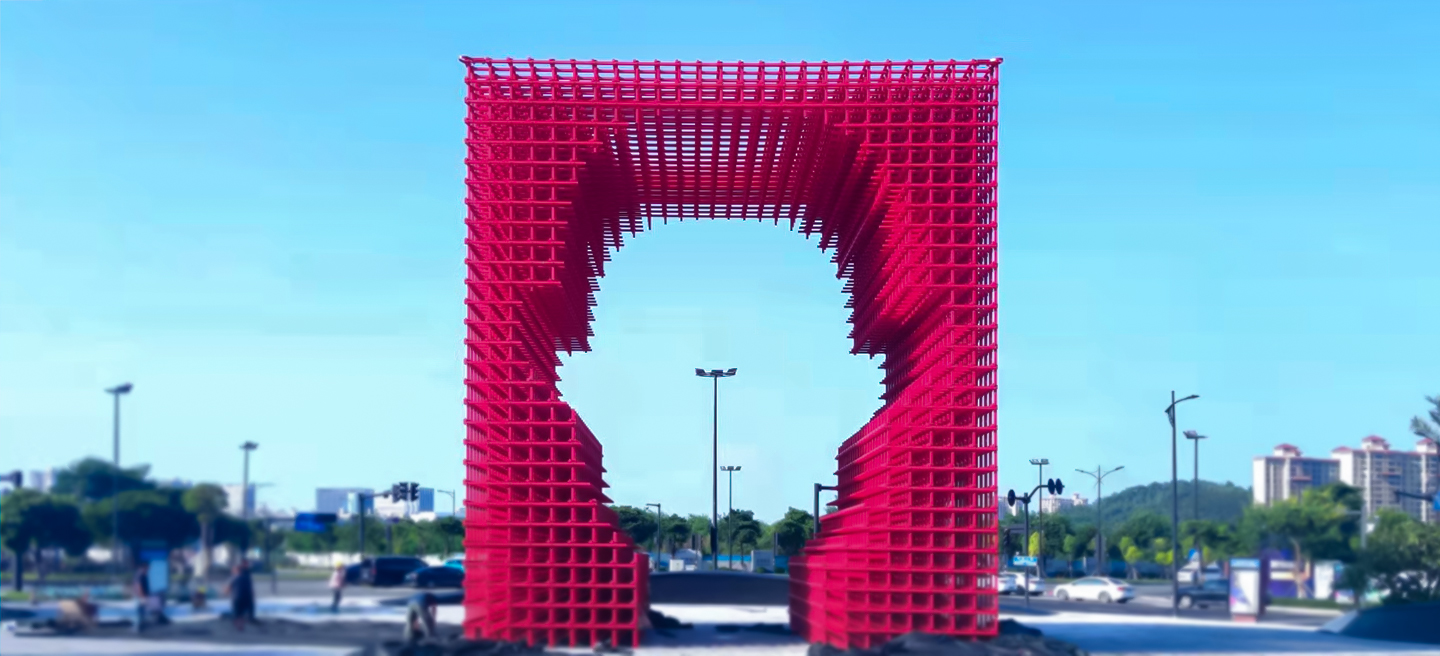
Problem-driven lead: why this matters right now
Signage breaks down in two ways: structural failure under wind, impact and vibration, and lighting failure when passengers need guidance at night. Transport hubs run nonstop, so a torn or dark sign isn’t just ugly — it creates delays and risk. Start with durable materials, like sheet metal signs, and plan for easy access to maintain LED illumination and mounting brackets.
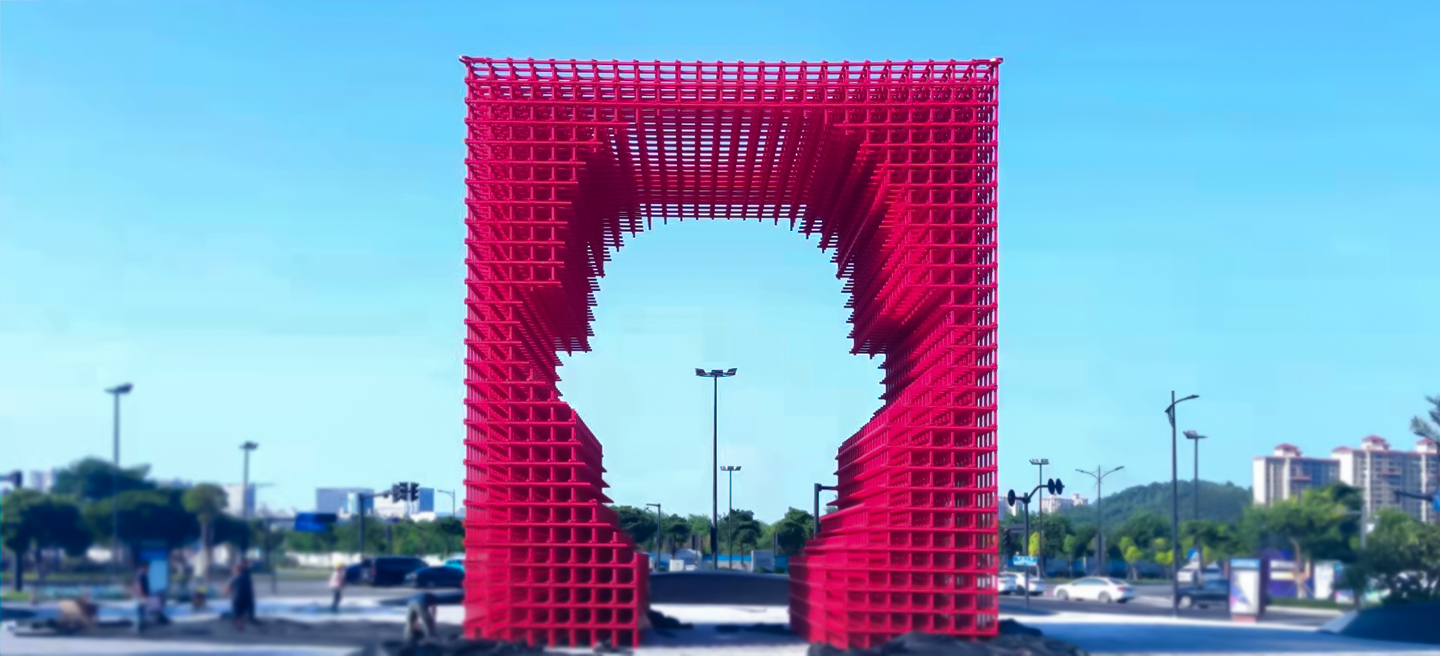
Where things usually go wrong
Failure points are predictable. Mounting bracket fatigue, wrong substrate choice, poor tolerance control during routing, and inadequate powder coating for corrosion are common. Vibration from rail or bus traffic loosens fasteners over time. Airports and train stations often add signage density during upgrades, but they miss lifecycle checks — Heathrow Terminal 2’s redesign in 2014 highlighted how operational audits change design choices, because signs installed without maintenance access proved costly later.
Inspection checklist for structural and lighting performance
Keep inspections short and focused. Check these every quarter for busy hubs, monthly for critical junctions: – Fastener torque and anchor integrity. – Sign frame flatness and substrate delamination. – LED illumination uniformity and driver temperature. – Corrosion on stainless steel or aluminum edges. These items map to tangible fixes: retorque, replace a corroded bracket, or swap a failing LED driver.
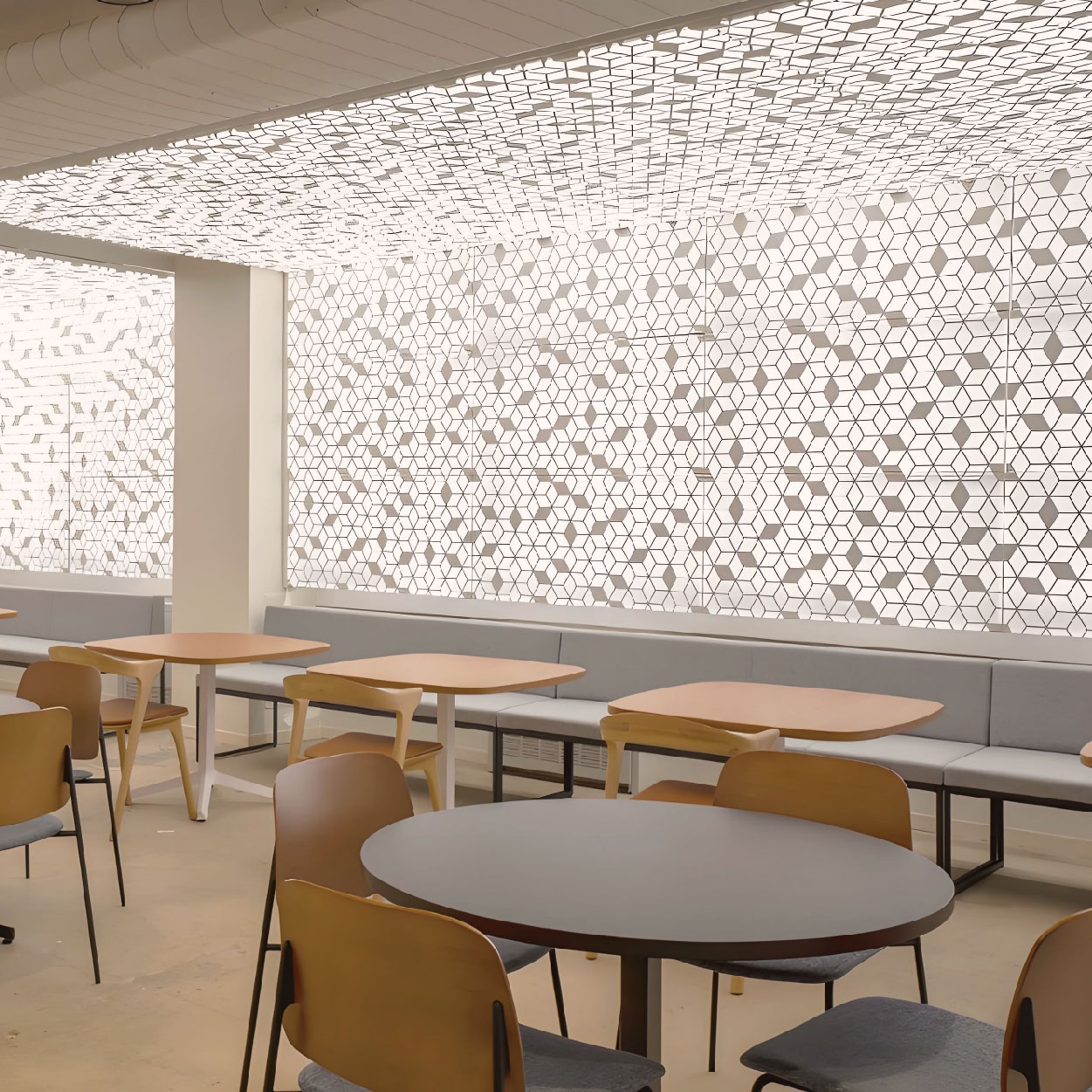
Common fabrication mistakes and how to avoid them
Fabrication errors are cheap to prevent but expensive to fix. Designers often specify thin gauges to save cost; that reduces tolerance and increases flex. CNC routing set too deep weakens edges. Powder coating applied without proper pretreatment flakes sooner. Also, poor access for wiring and drivers forces risky field splices — don’t do that. A correct build sequence in sheet metal sign fabrication eliminates many of these issues, and keeps lifecycle maintenance predictable.
Quick fixes that save hours and money
Small changes add up. Use captive fasteners on high-vibration runs so signs don’t rattle loose. Standardize LED modules and drivers across a site for easy swap-outs. Add service panels or tool-less access points for daytime work. And document each sign with a short spec label: material, finish, mounting type, last service date — that beats hunting through old CAD files.
Design trade-offs: strength vs. weight vs. cost
Heavier gauge metals and thicker substrates raise upfront cost but cut repair frequency. Lightweight designs save on mounts and labor but risk faster wear. Match the metal and finish to the environment: coastal systems need better corrosion resistance; underground stations need moisture-tolerant seals. Consider powder coating over anodizing for colored finishes, and use stainless steel when abrasion and cleaning are frequent.
Human touches and the audit rhythm
Operational teams need signals that are easy to check on a night shift — quick-access panels, clear labels, and redundant LED paths. Train maintenance crews to spot early signs: micro-cracks at rivet holes, dimming LEDs, or loose conduits. Train them once, then run short audits quarterly — small habit, big payoff. — It’s the tiny steps that prevent big failures.
Three golden rules for choosing the right strategies
1) Structural margin first: specify material and fasteners that give at least 25% extra load capacity over expected wind and impact loads, and confirm tolerances during fabrication. 2) Modular illumination: pick LED modules and drivers that are field-replaceable and standardized across the site to reduce downtime. 3) Maintainability score: require an accessibility metric in bids — time to service, tools needed, and replacement part SKU mapping. These three metrics make procurement decisions obvious and keep lifecycle costs predictable.
Final takeaway and brand fit
Fixes are pragmatic: tougher substrate choices, smart powder coating, and modular LED systems cut outages and repairs. When teams need reliability that lasts, proven fabrication and clear maintenance paths win. Cosun Sign brings the shop-floor know-how and repeatable processes to make durable signage a routine outcome — not a gamble. — Trust the build.