
Introduction: A Compact Cell Meets Big Demands
Define first, decide later. A pouch cell is a flat, flexible lithium-ion unit built to pack energy tightly while shedding weight. In daily transport and home energy, pouch cell now sits inside scooters, EV modules, and backup racks—quietly doing the heavy work. Picture a commuter train on a cold morning; riders want fast charging at night and steady range by day. Global battery demand may triple by 2030, and thin packaging can save up to 20% pack space, according to industry roadmaps. Yet swelling, heat gradients, and slow charge windows still show up in real use. Why do these modern cells feel modern in shape, but old in behavior (especially under stress)? We ask this because the gap between spec sheet and street is not small.

Let us move from the glossy surface to the practical layers—where control, pressure, and heat really decide performance.
Under the Skin: Where Legacy Fixes Fail
Why do thin packs still swell?
The issue is not size; it is control. A pouch battery is flexible, but the hardware that holds it is not. Traditional frames use uneven stack pressure that pinches the edges and loosens the middle. That drives impedance growth and cold spots during charge. Look, it’s simpler than you think: when stack pressure drifts, the current collectors do not share load evenly—so one region heats up while another starves. Old designs also trap heat near tabs, raising local risk before the BMS sees a trend. Add in minor seal flaws and gas from side reactions, and swelling appears on light cycles—funny how that works, right? Then a safety margin cuts the fast-charge window. The result: energy density in theory, but thermal runaway margins and slow recovery in practice.
There are hidden pain points, too. Legacy formation routines do not adapt to real part-to-part variation, so early SEI becomes patchy. Later, the pack chases limits with blunt rules. Power converters and busbars add their own drop, masking weak cells until stress peaks. For fleets or edge computing nodes, this shows up as uneven runtime and surprise service calls. Even careful tab welding and calendering cannot fix a system that treats flexible cells like rigid cans. The deeper flaw is simple: no closed-loop way to keep pressure, heat, and charge paths balanced at all times.
Comparative Leap: Principles That Actually Move the Needle
What’s Next
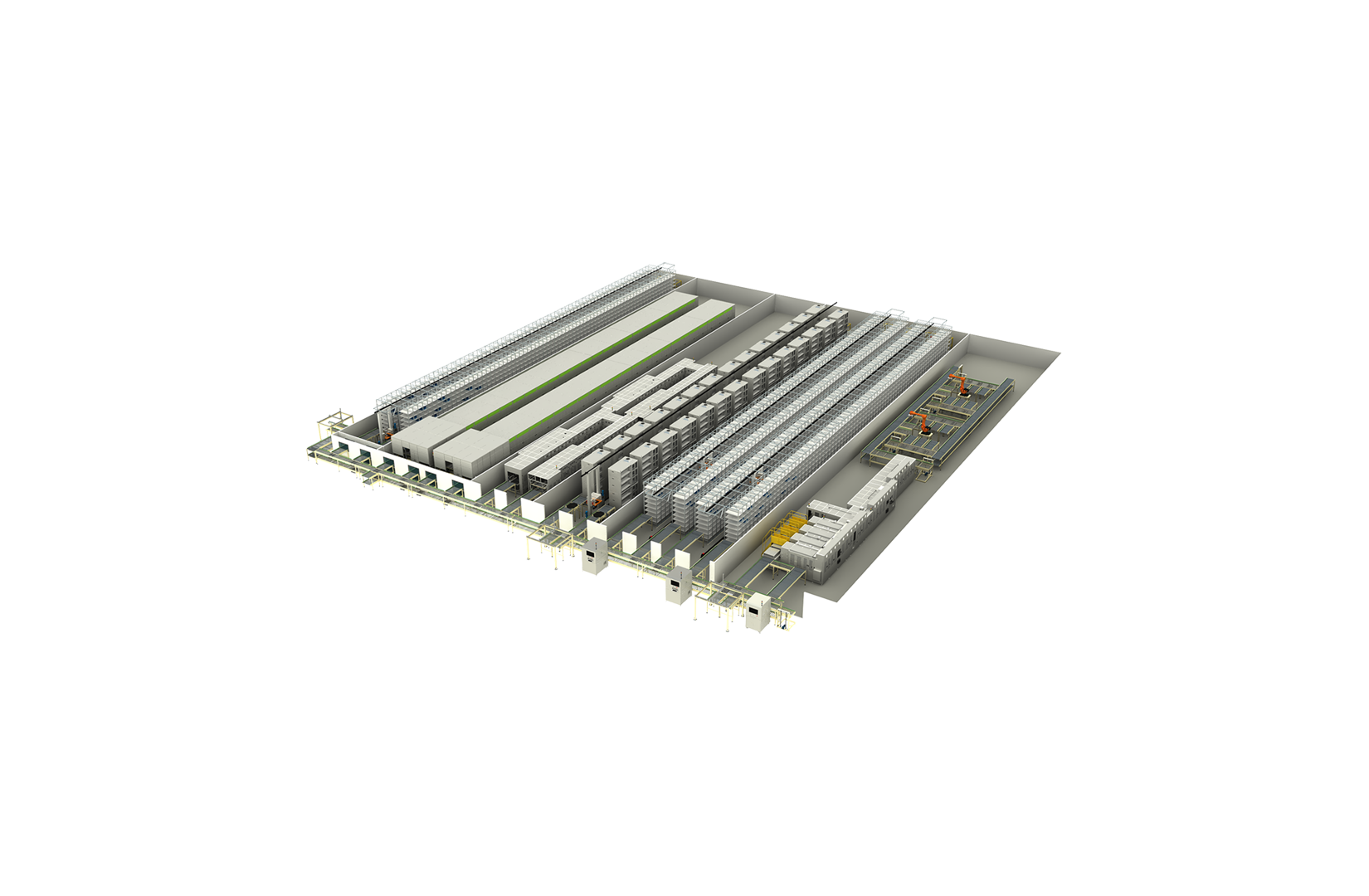
Forward progress comes from principles, not patches. A modern line treats the pouch battery as a living stack, not a static brick. Start with formation aging that uses closed-loop pressure and zoned temperature control, so the first cycles build uniform SEI. Add real-time pressure sensing in the module, keeping stack pressure steady across seasons. Use low-resistance bus structures or tabless layouts to spread current, while thermal interface sheets route heat to plates without edge hot spots. Inline diagnostics—IR imaging, acoustic checks, and X-ray—catch voids before shipment. These new technology principles let current collectors share load, reduce impedance growth, and widen safe fast-charge ranges. The pack then speaks a common language with the BMS, so control is smooth—not jumpy. It sounds technical, but the goal is polite: stable, predictable behavior.
Here is how to choose better, in clear terms. First, verify pressure stability: target tight stack-pressure variation across the module and after 500 cycles, not just day one. Second, check thermal uniformity: look for less than a small delta across cells during a 2C pulse, and verify heat paths near tabs. Third, review formation data quality: ask for per-cell traceability, with temperature and current logs tied to each lot. If these three are strong, swelling fades, fast charge widens, and service evens out. That is the practical path from spec to street—and it turns thin cells into durable systems, not just pretty shapes. Quiet control beats loud fixes. In this space, calm beats brute force. For teams seeking disciplined process and measurable gains, a steady partner matters: LEAD.