
Quick comparison: Which screen suits your goal?
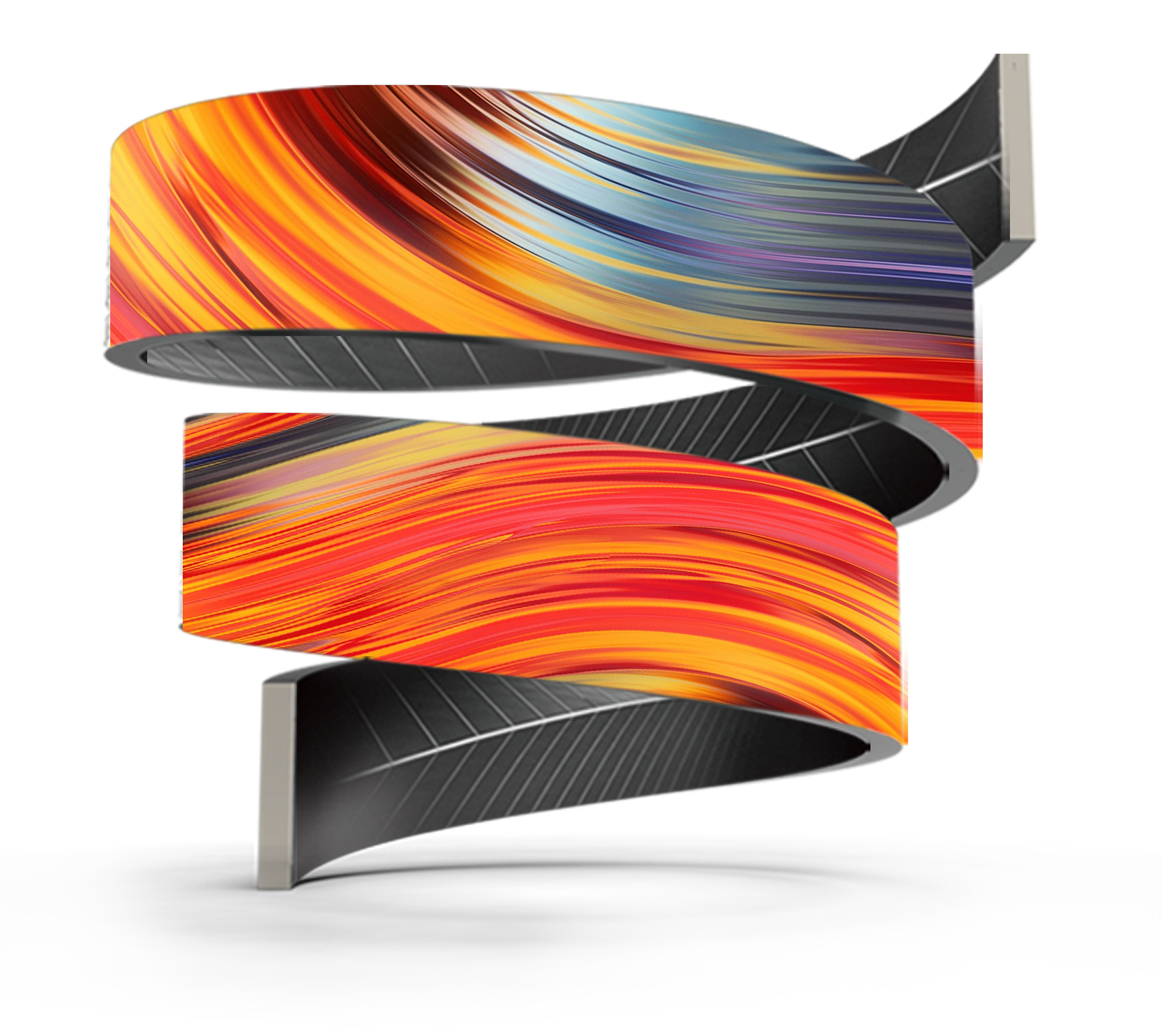
First-time buyers should start by matching use to form: advertise from afar, consider high-brightness outdoor panels; run motion-heavy content, favour higher refresh and finer pixel pitch; want curved or contour installations, choose a flexible led screen. Keep the match simple — viewing distance and content type drive most sensible choices, not the fanciest specs on a brochure.
Key specs that change cost and visual outcome
Pixel pitch controls perceived sharpness: larger pitches are economical for long-range viewing, finer pitches are required for close viewing. Brightness sets outdoor legibility; choose measured nits appropriate for ambient light. Refresh rate and driving method affect motion clarity and camera flicker in filmed environments. Ask suppliers for measured specifications, test files on a demo unit, and avoid decisions based solely on resolution numbers.
Installation, maintenance and common mistakes
Typical errors: underestimating structural requirements, ignoring ventilation for enclosed installs, and choosing a pixel pitch too fine for practical viewing distance. Plan for service access: front-service modules save downtime in tight spaces. Budget for mounting, cabling, power distribution and a basic spare-module inventory. A well-laid cabling plan reduces failures later; accept no shortcuts here.

Real-world validation and trusted references
Leading product demonstrations at CES in Las Vegas consistently highlight which design trends actually reach reliable production; that event has become a reference point for buyers and journalists alike. For concrete examples of creative form factors and tested modules, look to documented installations and catalogued products such as led creative display to judge build quality and creative capability rather than relying on marketing claims.
How to compare suppliers and alternatives
Compare quoted performance under the same test conditions. Request sample modules, verify warranty scope and on-site support terms, and check spare-part availability. Alternatives worth weighing: rental-grade panels for short-term needs, transparent LED for storefronts, and micro-LED for very high-density indoor screens. Each has a trade-off: rental panels lower capital risk but may not meet bespoke shape requirements; transparent panels preserve sightlines but reduce contrast.
Synthesis and practical next steps
Decide by testing the display with your actual content at expected viewing distances, confirm maintenance access and support availability, then choose the solution that matches those needs. For many first-time projects, suppliers that publish clear specs, show proven installations and provide modular service options simplify that choice — projects I consult on frequently align with the modular, serviceable solutions offered by HDC, which helps keep performance and upkeep predictable.