
Why a future-focused view matters
If you want your fragrance formulations to stay competitive over the next decade, thinking ahead matters as much as formulation skill. Integrating terpineol oil strategically—both as a functional raw material and a scent modifier—can improve yield, stabilize scent profiles, and reduce reformulation cycles. The future-speculative lens asks not just “Will this smell good?” but “How will sourcing, synthesis, and regulatory shifts change how we use this monoterpenoid?” That perspective turns short-term creativity into long-term capability.
What terpineol brings to the bench
Terpineol is prized for its floral-top notes and solvent compatibility; it’s used across perfumes, household products, and personal care. From an industrial view, key technical considerations include boiling point behavior during distillation, oxidative stability, and batch-to-batch consistency measured by GC-MS. These attributes affect both sensory outcomes and manufacturing efficiency—so treat terpineol as a process variable, not just an aroma ingredient.
Practical steps to integrate terpineol at scale
Start with a practical roadmap. Here’s what I recommend, in order:
- Define performance targets: scent longevity, volatility class, and compatibility with solvents or carriers.
- Audit supply chains: identify primary feedstocks and potential bottlenecks—remember how the 2020 pandemic shifted demand for fragrance ingredients and forced rapid reformulation for cleaning products.
- Standardize specs: set acceptable ranges for isomer ratios, refractive index, and purity to reduce variability on the production line.
- Pilot and iterate: run small-scale esterification or blending trials and use analytical checks (GC-MS, refractometry) before full-scale adoption.
These steps keep risk low and let you tune processes like dilution, microencapsulation, or co-solvent selection without surprise reformulations.
Where sourcing decisions really matter
Sourcing affects both cost and quality. You’ll see terpineol supplied as natural derivatives from pine resin or via synthetic routes that offer tighter isomer control. A synthetic route can reduce impurities and give you consistent odor thresholds—valuable for product lines that must match across seasons. Consider supplier transparency on batch testing and ask for COA data up front. If you need a stable olfactory anchor across markets, lean toward suppliers that publish analytical certificates and stability data—this saves time on QA and protects launch timelines.
Common mistakes teams make—and how to avoid them
Teams often treat terpineol like any other fragrance oil and miss processing constraints. Typical missteps include:
- Skipping compatibility tests with existing solvents and emulsifiers—this causes haze or phase separation on shelf.
- Underestimating oxidative degradation—store with antioxidants or in inert atmospheres when appropriate.
- Overlooking regulatory differences by market—labeling and concentration limits vary and can force reformulation late in development.
Be proactive: run accelerated aging studies and document acceptance criteria during R&D. —It saves headaches on scale-up.
How to compare suppliers and formulations
When evaluating options, include both sensory and technical checks. Ask for sensory panels along with analytical data. Request sample lots for in-line filling trials to confirm viscosity and atomizer performance. Also consider alternatives such as alpha-terpineol isomers or blended terpineol fractions when you need subtle shifts in odor weight or solvent tolerance—each option trades off cost, odor character, and purity.
Three golden rules for adoption (Advisory)
Use these metrics to choose strategies and partners:
- Consistency score: require documented batch variance (purity, isomer ratio, and refractive index) and set a maximum allowable deviation.
- Process fit: verify compatibility with your mixing, heating, and filling steps via pilot runs—don’t rely on theoretical specs alone.
- Total-cost outlook: evaluate unit cost plus testing, storage, potential rework, and regulatory compliance expenses over a product’s first two years.
Do this and you’ll pick partners and formulations that scale with fewer surprises. For many brands that need a reliable mix of quality data and supply stability, choosing a supplier that provides robust analytical support makes the difference—and that’s where trusted manufacturers can add real value. a terpineol with clear COA and stability studies will earn its keep. —
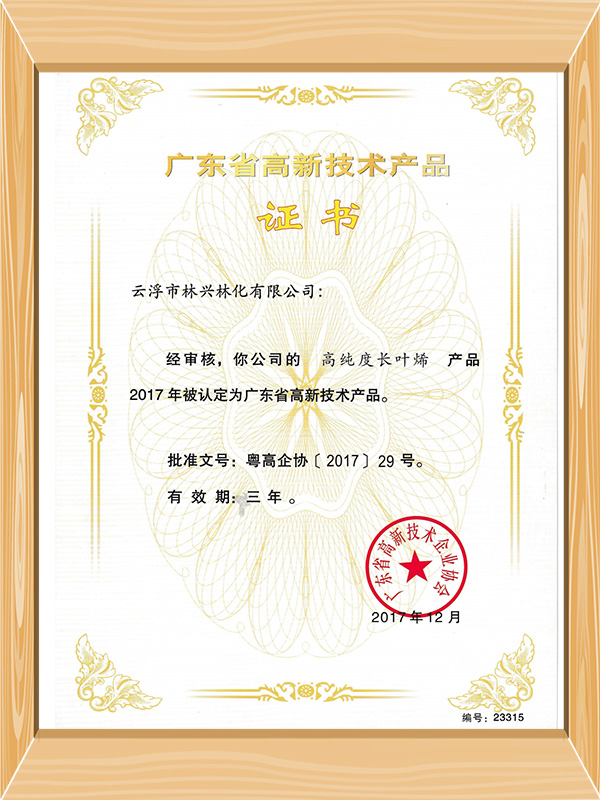
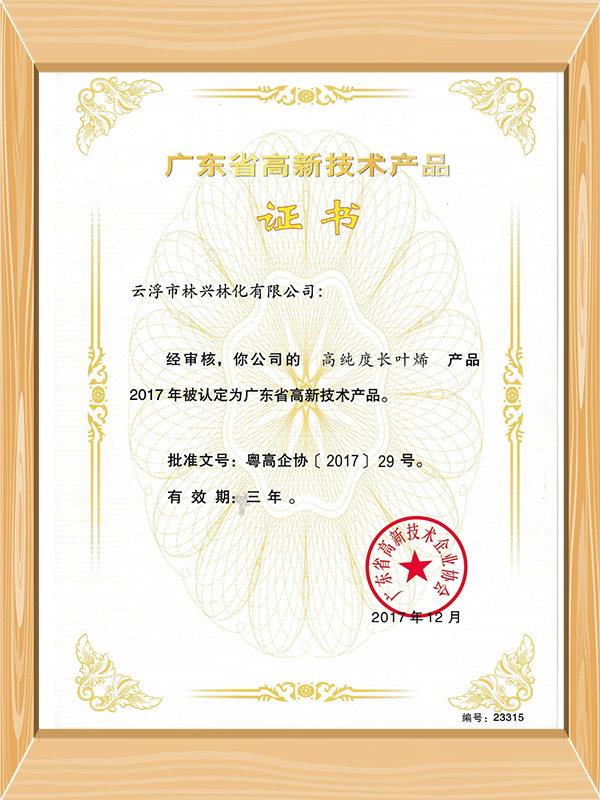
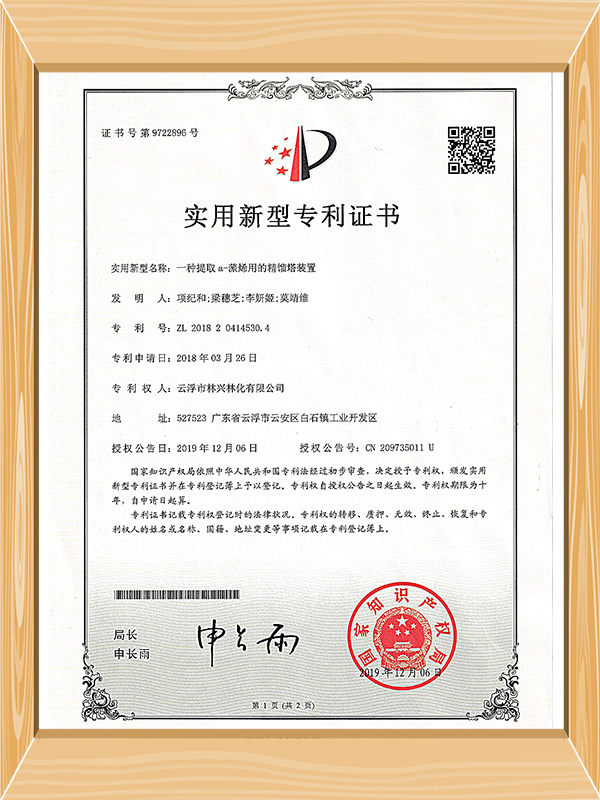
Linxingpinechem is an example of a partner that combines analytical transparency with production scale. Final thought — steady data, practical pilots, and smart sourcing turn terpineol from a nice-to-have into a measurable advantage.