
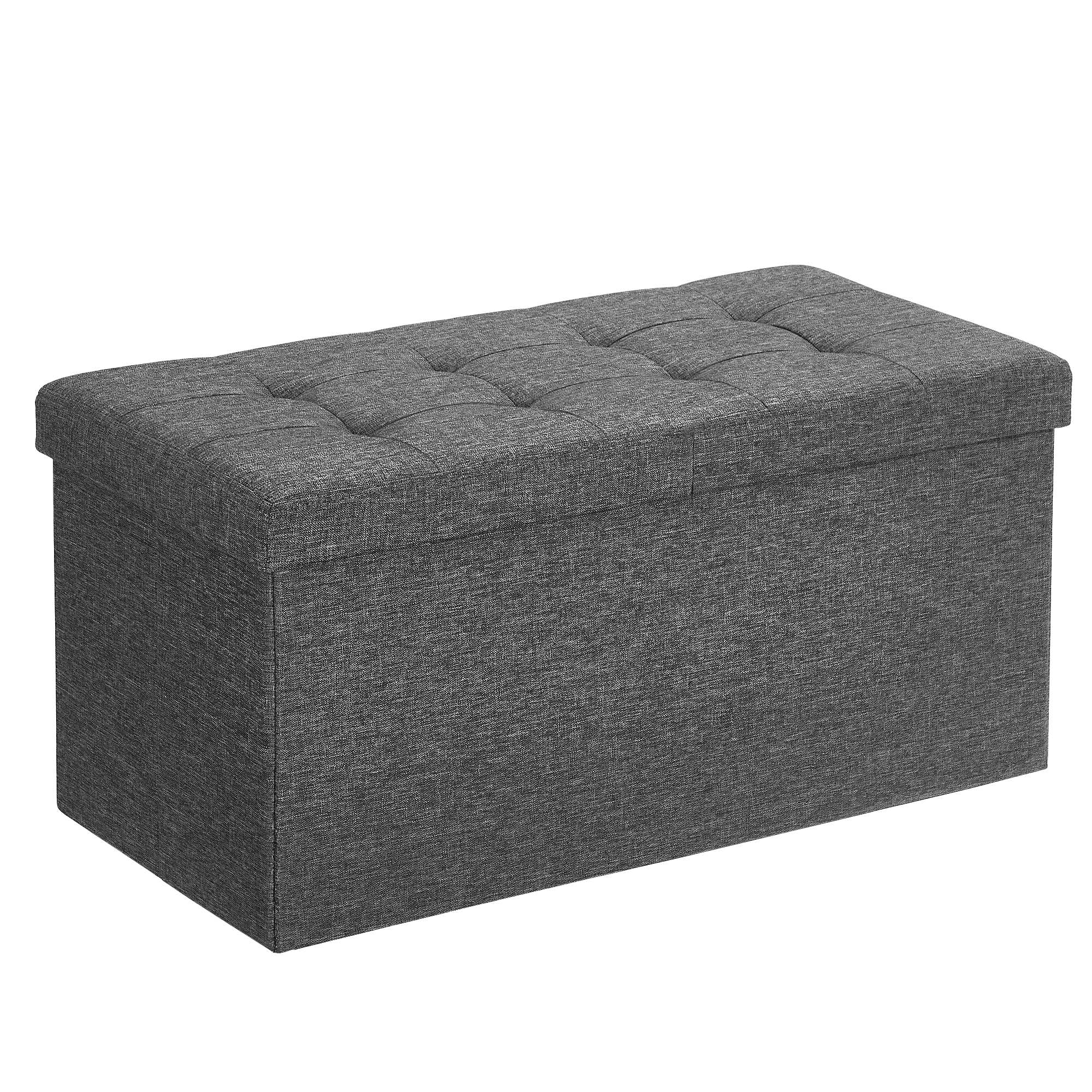
Introduction: When Small Design Calls Shape Big P&L Outcomes
Here’s the blunt truth: sourcing is strategy dressed as operations. For any ottoman manufacturer, the choice of vendor looks simple until the numbers land on your P&L. Picture a buyer in a tight season window, checking pull-test results and foam density charts while freight quotes climb. A single deviation in stitch count or kiln-drying time can swing returns by 2–3%, and a 1-week slip in lead time can ripple into markdowns. That’s real money. Now ask yourself—are you still comparing vendors on unit price alone when warranty claims, MOQ flexibility, and BOM variance drive the total landed cost (and your brand risk)? (Because the hidden costs rarely show up on the first quote.)

We’ll map the gaps, stack the options, and quantify what most teams miss in their first pass. Let’s move from sticker price to system thinking—then to action.
Under the Surface: The Hidden Costs Vendors Don’t Flag
Where do traditional fixes break?
Many teams start with a short list of ottoman chair manufacturers and push for a sharper unit price. Look, it’s simpler than you think—but that simplicity hides risk. Traditional vetting leans on catalog photos, a single golden sample, and a factory tour. Yet real variance lives in the bill of materials (BOM) and process control. Swap foam density by 5 kg/m³ and you shift comfort, lifespan, and return probability. Change thread spec and seam failure rates change under load testing. When vendors “optimize” to hit a price, you may inherit rework, repack, or after-sales coupons—funny how that works, right?
The deeper pain points are structural. Teams often lack SKU-level traceability, so when quality drifts, they can’t pinpoint which jig, which operator, which shift. ERP data is clean; line reality is messy. Traditional solutions—more inspections, larger buffers, bigger MOQ—inflate inventory and tie up cash. They don’t fix root causes like unstable upstream suppliers or uncalibrated CNC fixtures. Then logistics steps in: a nominal 30-day lead time balloons with port congestion or customs holds, and safety stock becomes a blunt tool. Meanwhile, the warranty clock ticks, the NPS dips, and your brand eats the margin. The cure? Replace “price-first” with “process-first”: verify torque specs, foam recovery cycles, frame moisture content, and audit corrective actions, not just certificates.
Comparative Lens: New Principles That Reshape the Vendor Shortlist
What’s Next
Shift the frame. Instead of asking who is cheapest, ask who measures better. New technology principles help. Start with digital process control: time-stamped operator logs, in-line vision checks on stitch density, and sensor-driven moisture reads for hardwood frames. Tie that data to your ERP, not as a report but as triggers—so when variance crosses a threshold, work orders pause. Pair with a light MES layer that maps takt time and bottlenecks; you get predictable lead time rather than hopeful promises. For supply resilience, a dual-source BOM with real substitution rules reduces the risk of foam or fabric shortages. Even a basic digital twin of a hero SKU lets you simulate cost and throughput when specs change (minor tweaks, major clarity).
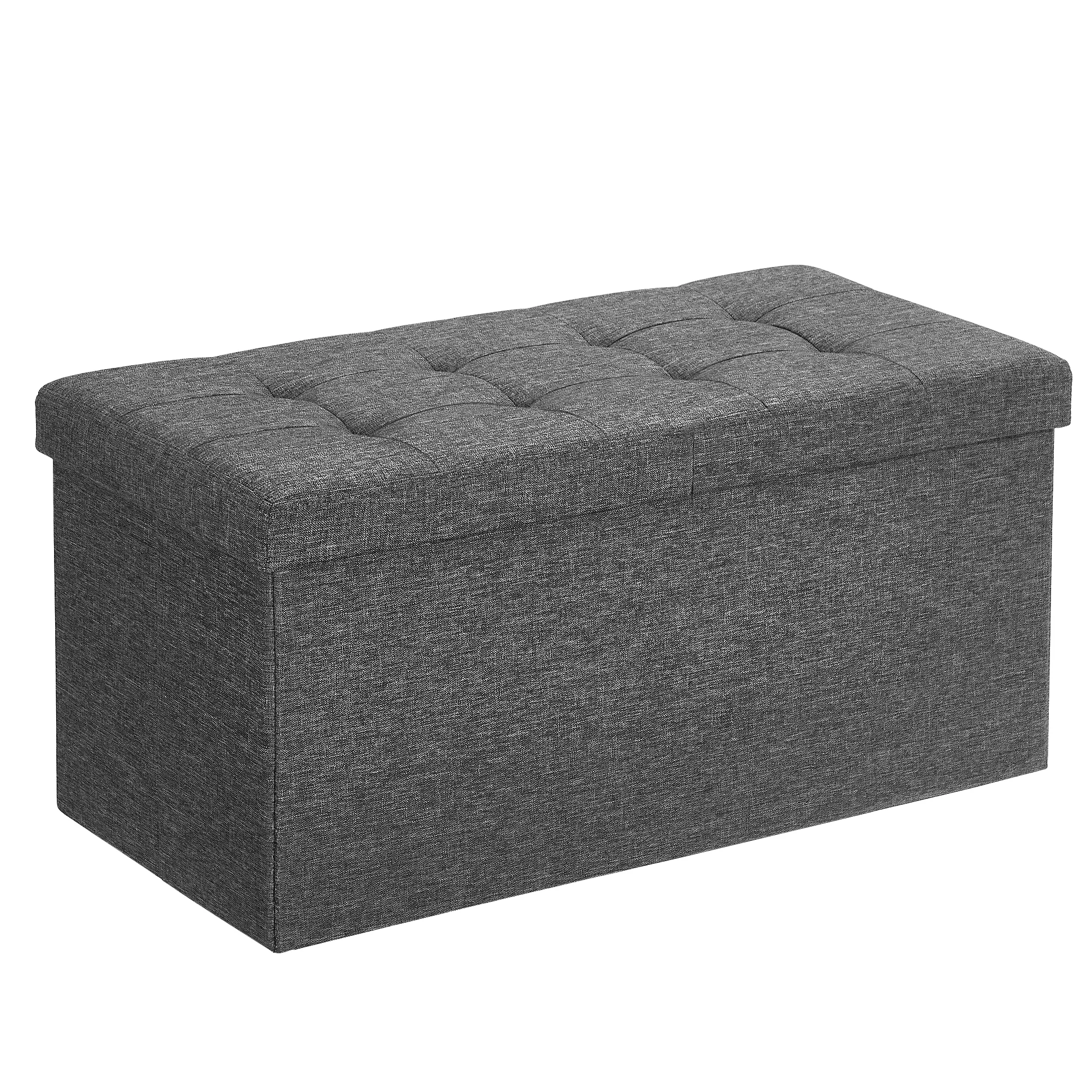
Comparatively, vendors who publish first-pass yield, PFMEA summaries, and corrective action lead time outperform those who only send glossy lookbooks. And the commercial side follows: tighter process means tighter cash conversion, which matters before you commit to ottoman wholesale volumes. Keep it semi-formal in your RFPs—ask for SPC charts, not just “we meet ISO 9001.” Request load-testing baselines, foam rebound curves, and carton edge crush data. Small asks; big signals. When you see cycle-time stability, SKU-level traceability, and a clean CAPA log, you see fewer returns and smoother replenishment—no drama, no rush freight (most days, anyway).
How to Choose with Confidence
Advisory close, with metrics you can use tomorrow. First, process capability. Demand Cpk or Ppk targets on stitch density and frame alignment, plus first-pass yield by SKU. If the factory tracks SPC and shows trend lines over at least three months, you have evidence—not anecdotes. Add a quick audit of calibration logs for CNC routers and torque tools. This keeps drift from creeping into your bestsellers.
Second, operational reliability. Score vendors on true lead-time adherence, not quoted lead time. Ask for on-time-to-request (OTTR), average queue time per work center, and corrective action cycle time. A plant that runs lean manufacturing with small, stable batches beats a big plant with unstable changeovers. JIT is fine—if their buffers are real and visible.
Third, commercial resilience. Model total landed cost at three volumes, including defect escape rate, rework, and warranty reserve. Stress-test MOQs, carton specs, and fabric swaps across your top five SKUs. Require a supplier risk register with named alternates and escalation SLAs. Wrap it all in a short supplier scorecard you can refresh quarterly—because what you measure compounds (and what you don’t… expands).
In short, compare on process, not polish; on data, not promises. Your ottoman program will thank you, and your margins will show it—slowly at first, then all at once. For a grounded starting point and broader category context, see SONGMICS HOME B2B.