
Hidden Friction Points the Spec Sheet Ignores
What if the quiet fixes—those you won’t find in bold type—decide your margin? I’ve spent 16 years helping wholesale buyers balance risk and output, guiding teams toward a 48 inch dtf printer that doesn’t just look fast, but stays fast when the room gets hot and the queue stacks up. On a wet Tuesday in Newark, our team pushed 120 transfers in an hour, and the dtf printer choked at the sixty-first—was the bottleneck the film feed or our preheat settings? I moved from hunch to notes, from notes to trials, because I’ve seen “minor” issues swallow pallets of orders.
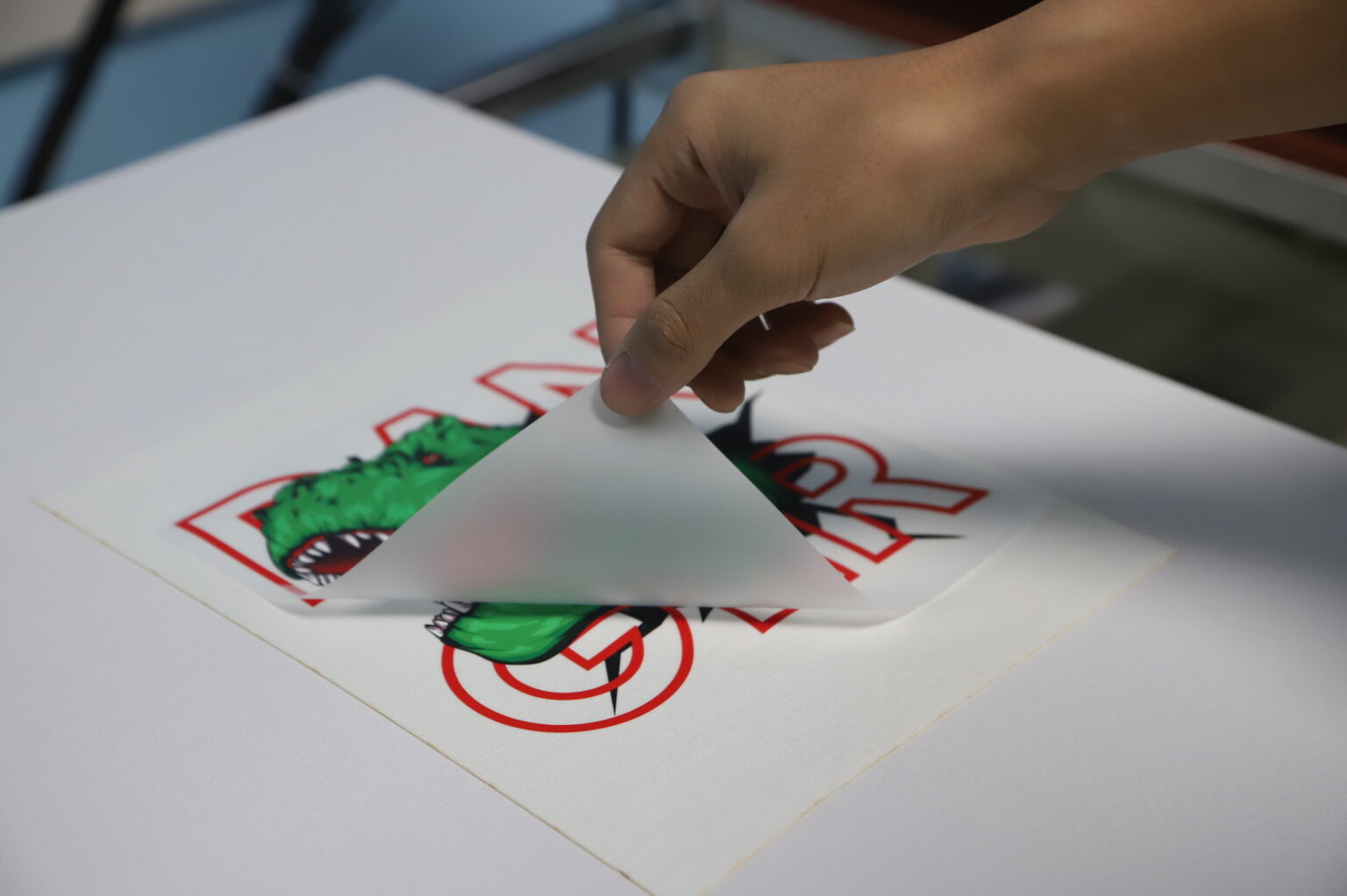
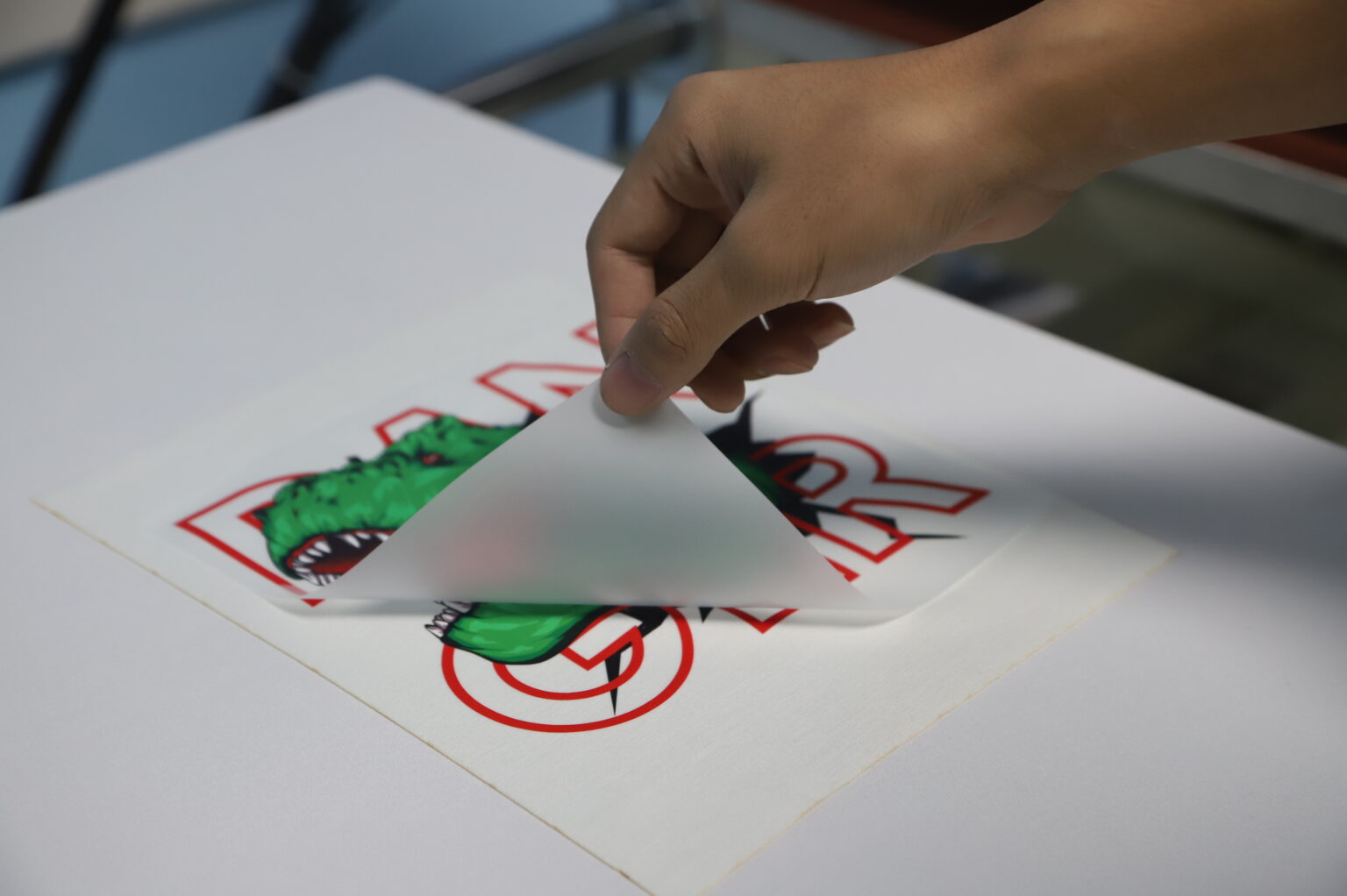
Here’s what the brochures blur: wide-roll PET film behaves like a living thing. Heat lifts its mood; humidity sinks it. If roll tension drifts by even a few newtons, the powder shaker loads unevenly, and white ink circulation can’t save you from pinholes. In May 2021 at the Bayonne floor, we lost 18 meters of film in a day due to a 2 mm skew introduced by a tired take-up reel bearing—no biggie, until it cost us the Friday deadline. Meanwhile, a well-tuned RIP software queue cut reprint rates by 9% simply by batching dark garments first (warmer platen, steadier laydown). That design choice—staggering white-heavy jobs to let the curing oven reach a calmer plateau—felt small, but it turned late nights into early hand-offs. I paused—twice—before changing the feed tension, then watched head strikes drop to zero by the afternoon. So I lean into the subtleties and compare them head-to-head, because that’s where momentum returns and keeps returning.
Comparative, Forward-Looking Moves
What’s Next
I map upgrades against real constraints—room climate, operator cadence, delivery windows—and weigh them against what a modern 48 inch dtf printer actually changes on the floor. First, film handling: a machine with closed-loop tension control (input and take-up) holds alignment longer than manual brakes, especially on 100 m rolls. If the spec shows consistent lateral drift under ±0.3 mm, I mark it green. Second, ink stability: white ink circulation that cycles every 3–5 minutes keeps density repeatable on dark cotton runs; longer loops tend to invite settling near the damper—tiny clogs, big fatigue. Third, data flow: RIP throughput matters less as a headline and more as a floor; I look for sustained 8–10 sqm/hr with ICC profiles loaded for your actual films, not demo stock. And then—right when you think you’ve covered it—it’s the curing profile. A tunnel with ±3°C variance across the belt holds edges crisp, so gradients don’t wash out after the second wash. Compared with last year’s setups, these controls reduce operator interventions by about a third in my logs, which is what your night shift will feel most.

Across dozens of buyer walk-throughs, three checks keep choices honest. Measure tension stability under a full roll (not half) and log drift over 30 minutes. Verify white channel recirculation intervals under continuous print, then run two nozzle checks without pausing—watch the deltas. Push a mixed queue through the RIP and confirm the slowest 10% of files don’t pull the average below your promised lead time. Those are simple, steady questions—not theatrics—that separate wishful specs from workday truth. I carry forward the earlier lessons—micro-tension, batch logic, thermal calm—but I won’t repeat them here. Instead, I’ll say this: choose the calmest path that still moves fast, and your margins will breathe. Xinflying